Get your free personalized podcast brief
We scan new podcasts and send you the top 5 insights daily.
DHH attributes the creation of Ruby on Rails to severe constraints. Lacking funds for expensive licenses, servers, or a large team after the dot-com bust, he was forced to create a new framework to be radically more productive as a solo programmer.

Related Insights
Unable to afford physical components, Steve Wozniak spent years designing computers on paper. This constraint forced him to compete with himself to use the fewest possible parts, a skill that became a critical competitive advantage for Apple's early, cost-effective hardware.
![Steve Wozniak: The Engineer Who Built Apple [Outliers] thumbnail](https://megaphone.imgix.net/podcasts/173ae9aa-b91e-11f0-8162-63aad90e354b/image/9e812b450021bae886ac0579c1929769.png?ixlib=rails-4.3.1&max-w=3000&max-h=3000&fit=crop&auto=format,compress)
The founders were originally trying to run an online snowboard store and found the available software in 2004, like Yahoo Stores, inadequate. They built their own platform out of necessity, which later became Shopify.

Drata's origin lies in the internal tools the founders built at their previous company, Portfolium. They created the software out of necessity to prove their security posture to university clients, later realizing this solution addressed a widespread, manual problem for all companies.

Stripe's foundational tech stack (Ruby, MongoDB) was a casual choice made by its founders on a couch. This early decision has had lasting consequences, requiring significant engineering investment to scale and maintain, illustrating how initial, seemingly minor choices dictate a company's long-term technical trajectory.

Like Airbnb monetized spare rooms, Replit monetizes latent domain knowledge. People with deep, niche expertise (e.g., a yoga teacher's husband building a pop-up event platform) can now build businesses that were previously too costly to develop, creating a new wave of solo entrepreneurs.

The founder claims that with modern tooling, his engineering and product teams are 5-10x more efficient. This increased productivity allows the company to scale without the large headcount and burn rate that traditionally necessitates frequent fundraising, making profitability a more attractive path.

The origin of CNX wasn't a meticulously planned venture. The two co-founders were colleagues who, frustrated with their boss, impulsively quit their jobs together. The company was born out of that moment with no plan and no money, forcing them to be resourceful from day one.

The initial motivation for many early Firefox contributors wasn't financial gain but solving a personal pain point. They got involved simply because they wanted to fix their own crashing browser in their college dorm room, which then evolved into a larger mission-driven effort.
The "Odin" platform, which eventually managed all of Uber's stateful workloads, began as a project to containerize sharded MySQL for a single team. This bottom-up approach allowed them to prove the concept and build a working system before seeking wider, more political adoption.

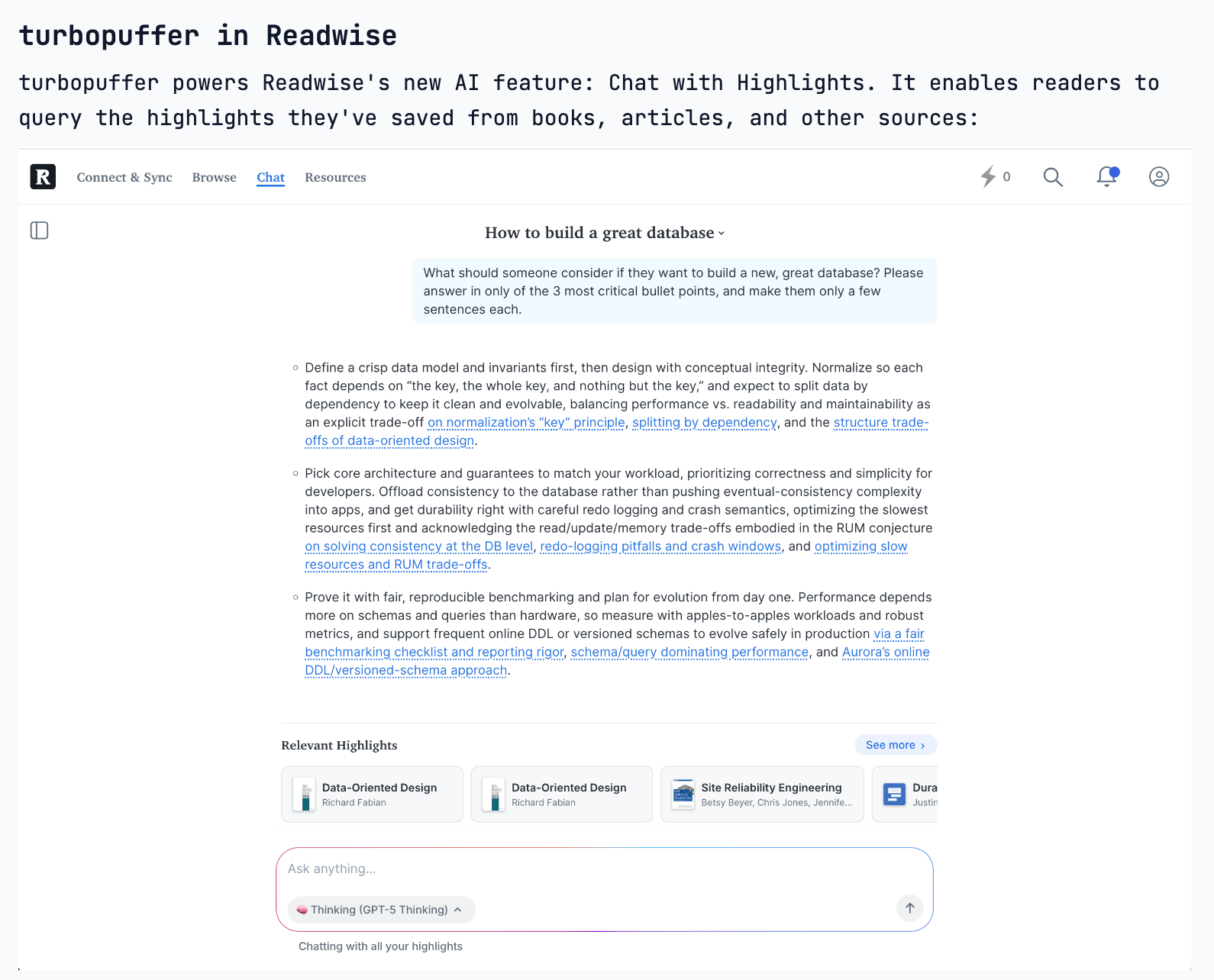
Early on, the founder ran Turbopuffer's cloud infrastructure on his personal credit card. When a large customer's usage bill skyrocketed, the immense financial pressure forced the team to optimize relentlessly, leading them to become profitable out of necessity rather than strategy.