Get your free personalized podcast brief
We scan new podcasts and send you the top 5 insights daily.
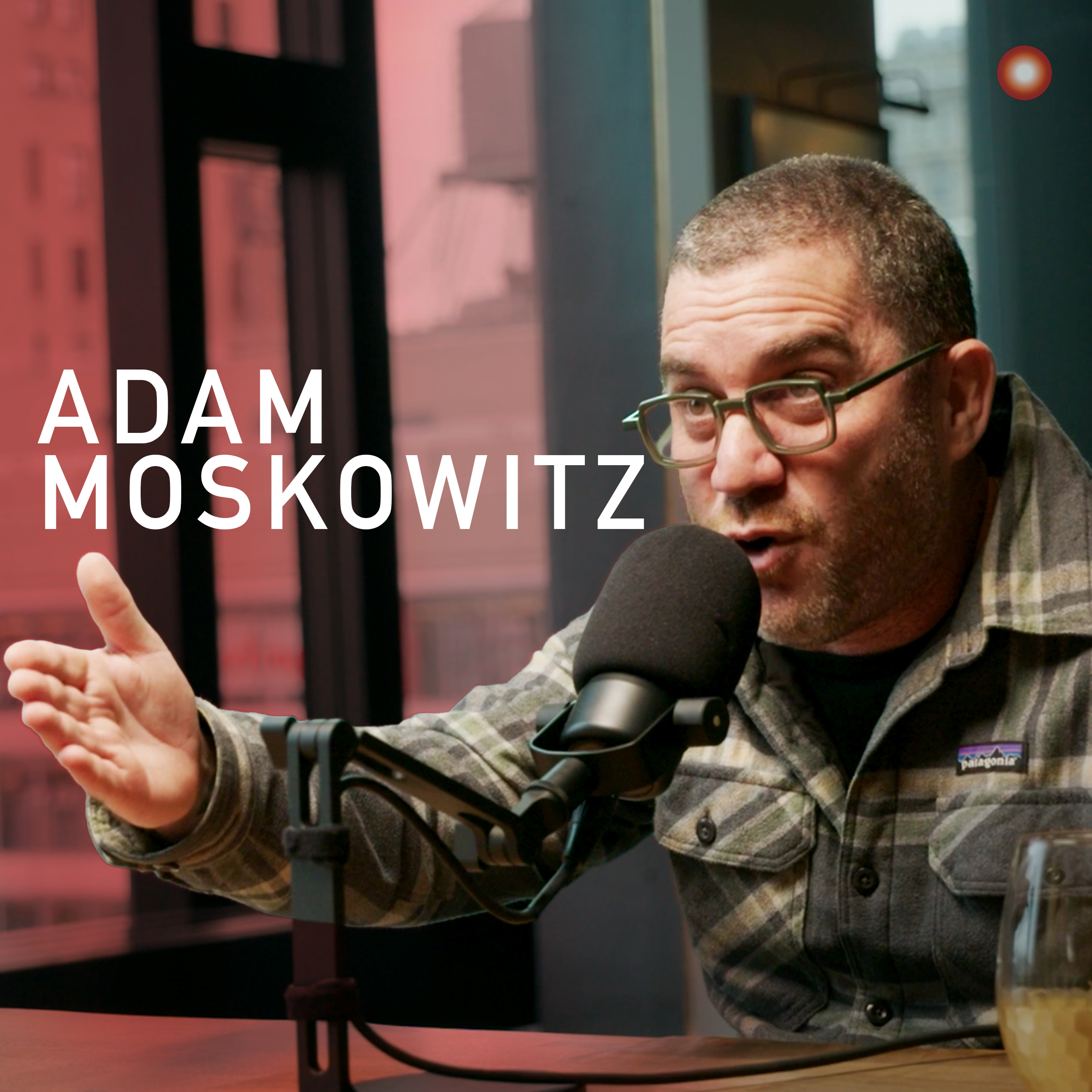
While democratizing access to information, the internet also erodes distinct regional creative styles. Magic once had unique French, German, and Japanese schools of thought; now, global creators learn from the same online tutorials, leading to a more homogenous, less geographically diverse art form.

Related Insights
Wisdom emerges from the contrast of diverse viewpoints. If future generations are educated by a few dominant AI models, they will all learn from the same worldview. This intellectual monoculture could stifle the fringe thinking and unique perspectives that have historically driven breakthroughs.
When brands use AI tools like LLMs as their primary creative director instead of as an assistant, they produce generic outputs based on existing data. This leads to a "sea of sameness" and a loss of brand distinctiveness.

The idea of a pure, distinct cultural tradition is a myth. Cultures evolve by borrowing fragments from others, often through misunderstanding. This cross-pollination, not preservation of purity, is the engine of cultural vitality and growth.

In the pre-internet era, a small number of executives and critics decided what art was produced and celebrated. Today, social media algorithms allow the audience to decide what is 'good' by rewarding it with attention, enabling talent that would have been overlooked by the old system to thrive.

AI's ability to generate Hollywood-quality films or other complex media for an individual user will lead to extreme market fragmentation. This hyper-personalization won't just transform creative industries like film; it could completely erase them by dissolving the shared cultural experiences that underpin them.

As AI tools and templates make it easy for everyone to create "optimized" content, social feeds will become saturated with lookalike videos. This will force marketers to differentiate through substance and originality rather than just hacking algorithms.
While seemingly beneficial, algorithms that perfectly cater to existing preferences (e.g., in music or news) can trap users in narrow cultural silos. This "calcification" of taste prevents personal development and creates a balkanized cultural landscape, hindering shared experience and discovery.
While the internet enables niche content, it also acts as a cultural dampener. By beaming the same dominant culture (e.g., Taylor Swift) everywhere, it ensures everyone gets the same inputs, leading to more similar creative outputs and cultural convergence.

The greatest danger of AI content isn't job loss or bad SEO, but a societal one. Since we consume more brand content than educational material, an internet flooded with AI's 'predictive text' based on what's common could relegate collective human knowledge and creativity to a permanent base level.

The power of industry gatekeepers lies in saying 'no,' which makes them feel important but stifles creativity. This risk aversion leads to a homogenous media landscape filled with copies and sequels, while truly innovative, independent projects are denied a platform.