Get your free personalized podcast brief
We scan new podcasts and send you the top 5 insights daily.
Wix CEO Avishai Abrahami consciously detaches his happiness and focus from the company's volatile stock price. He accepts that the market often reacts to external news beyond his control, like AI developments, and instead concentrates exclusively on improving the core business.

Related Insights
Avishai Abrahami works late, sleeping until 11:30 AM. This gives him hours for deep thinking and forces his team to resolve minor issues independently before he arrives, fostering a more mature organization and protecting his own focus time.
When facing a stock price slump and talent drain, Wix's CEO advises against trying to stop everyone from leaving. Instead, focus on making sure the very best people stay. Attrition can be healthy, uncovering new leaders and refreshing the organization.
Founders often experience extreme emotional volatility, swinging from euphoria after a win to despair after a setback. The key is to understand that neither extreme reflects the true state of the business. Maintaining a level-headed perspective is crucial for long-term mental health and sustainable leadership.

The entrepreneurial journey is mentally taxing due to constant high and low swings. The founder's coping mechanism is to anchor himself to what's controllable: delighting the customer. Focusing on product and user feedback cuts through the noise of fundraising, competition, and existential dread, providing a stable focal point.

Wix's CEO argues that public markets undervalue SaaS companies by fixating on AI disruption. They overlook crucial moats like the deep trust Salesforce has with enterprises or the simple fact that Wix's core SMB customers aren't developers and won't "vibe-code" their business.
Ariel Cohen acknowledges employee morale is 100% correlated with the stock price. He sees his role as a counter-force, continuously focusing the team on strong internal metrics and the 2-to-10-year journey, conditioning them to treat daily market fluctuations as irrelevant noise to the real business performance.
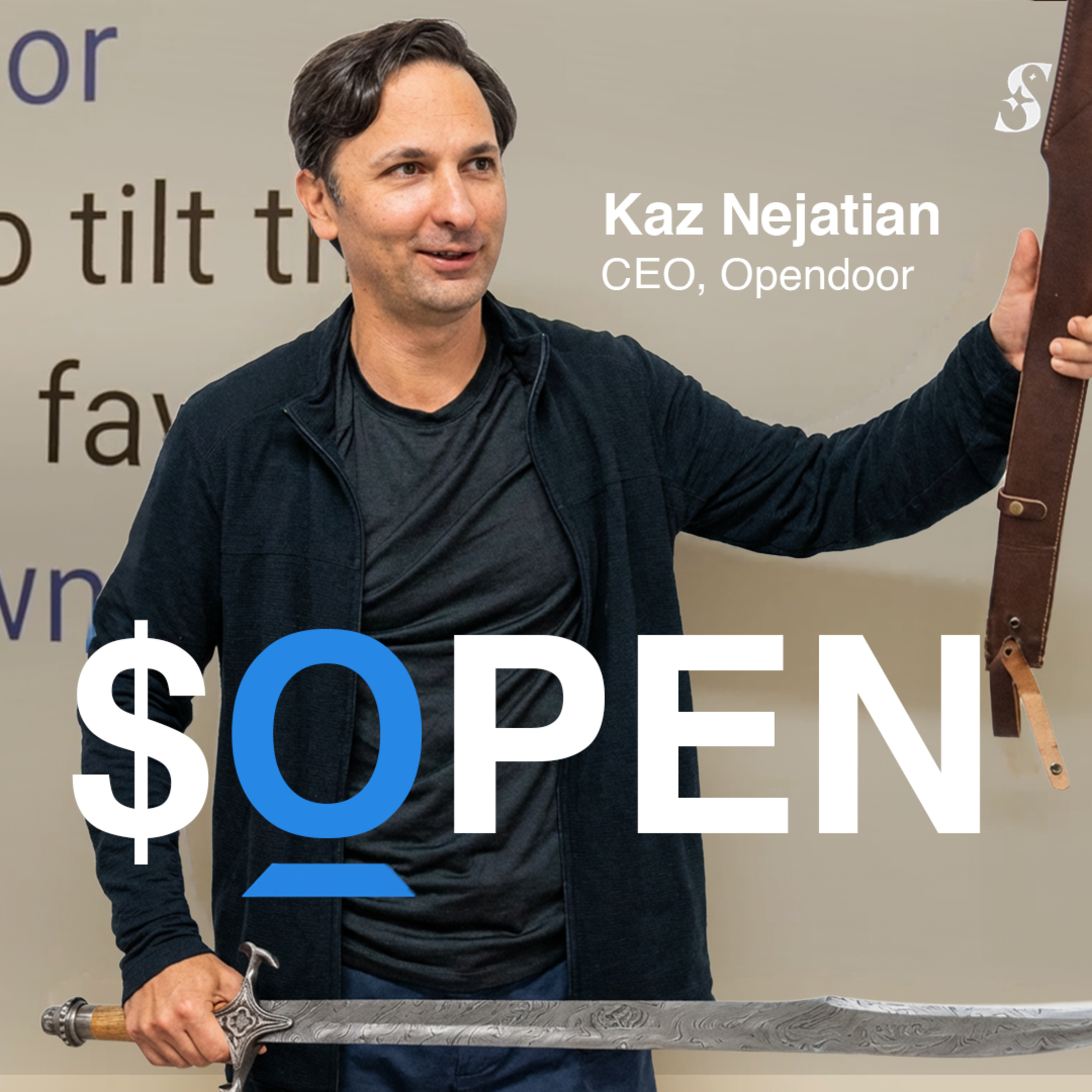
Opendoor's CEO believes the stock ticker is a distraction, like a football player staring at the scoreboard. The stock price is a lagging indicator of company performance. By focusing exclusively on building a great company, the score will eventually take care of itself.
As a public company CEO, Dylan Field actively avoids focusing on daily stock fluctuations. He believes the only controllable factors are the business inputs—improving the product and creating customer value. This is an application of Bill Walsh's philosophy, "the score takes care of itself," to public market management, prioritizing long-term fundamentals over short-term sentiment.

The most successful entrepreneurs avoid extreme emotional highs and lows. This emotional steadiness prevents burnout and allows for sustained, disciplined performance over the long term, treating both massive wins and crises with the same neutral mindset.

The primary driver for great founders is not the accumulation of wealth but the power to control their vision and its execution. Money is simply a predictable byproduct of maintaining control while building a product that improves people's lives.
