Get your free personalized podcast brief
We scan new podcasts and send you the top 5 insights daily.
Jesse Cole is adamant about never selling because outside capital would inevitably shift the company's focus from fan experience to revenue extraction. He believes protecting the 'fans first' mission is impossible under the quarterly pressures of shareholders, who prioritize profits over purpose.

Related Insights
When founders have a robust, long-term plan and can see their company's future, they refuse even lucrative acquisition offers. Selling, as Peter Thiel notes from his Facebook board experience, is often a sign that the founder's vision has run out.

Jesse Cole's success with the Savannah Bananas is an example of winning on "hard mode." He took a neglected asset—a minor league baseball team—and bootstrapped it into a global entertainment phenomenon with a 3-million-person waitlist and a valuation over $100 million by focusing relentlessly on the fan experience.

Owning 100% of the equity allows the founders to make unconventional, long-term decisions that prioritize fan experience over short-term profits. They explicitly state that shareholders would force them to add fees and ads, demonstrating the strategic value of bootstrapping to protect a brand's integrity.
By eliminating common revenue streams like ads, ticket fees, and expensive concessions, the Bananas create an exceptional fan experience. This builds intense loyalty and word-of-mouth, which ultimately drives more sustainable growth through ticket demand and merchandise sales, proving that customer surplus can be a primary business driver.
The CEO warns that taking investment capital eventually leads to a loss of control. While the initial cash injection is empowering, a founder's vision can be overruled once investors' goals diverge. This inevitable power shift is a difficult reality for many entrepreneurs.
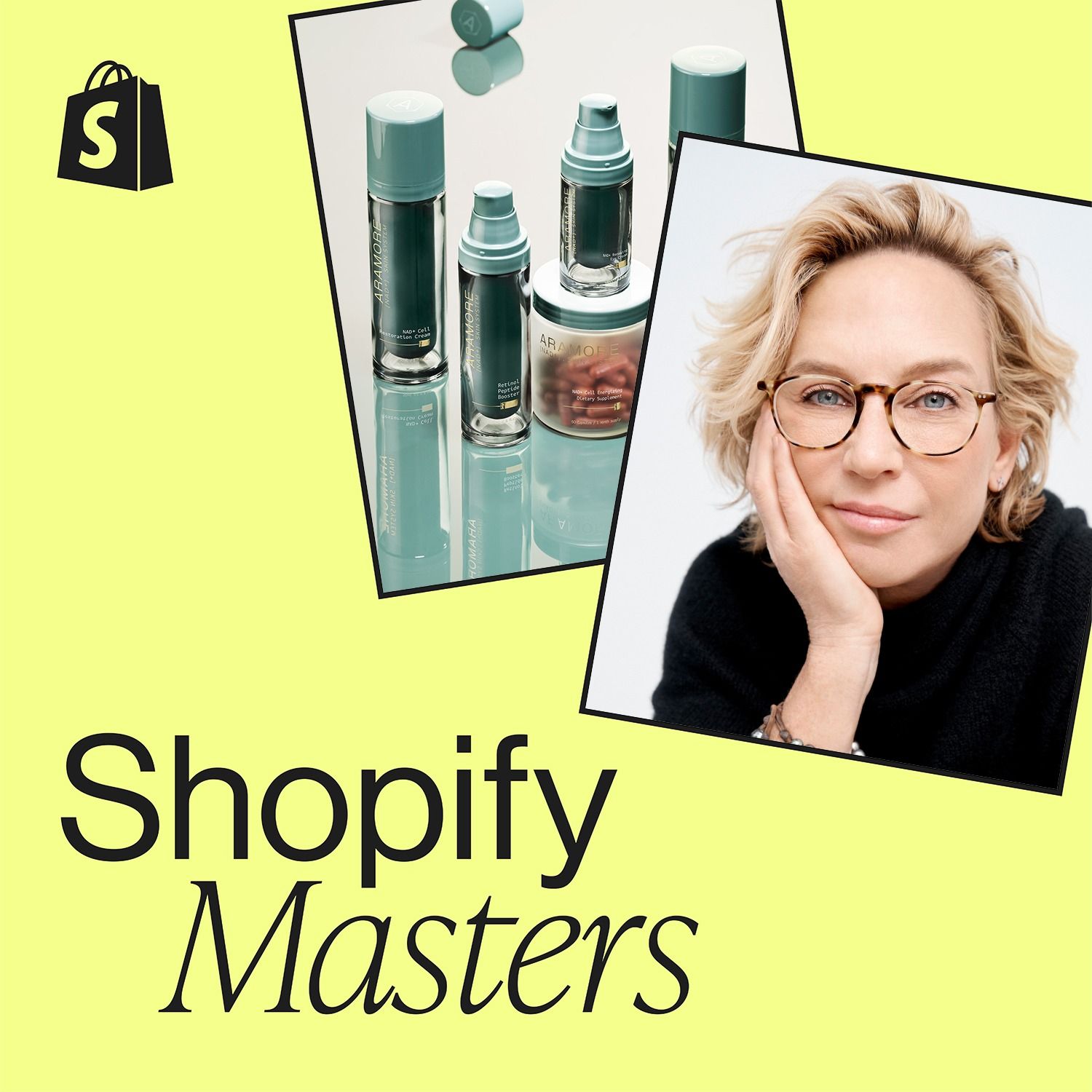
Despite "tons of approaches," John Gabbert never considered private equity. He believed PE firms prioritize short-term cash extraction and over-leverage, which would destroy the company's culture and vision. He chose sustainable, debt-free growth over a fast, potentially destructive exit.

The core value of an exclusive club is its scarcity and curated membership—qualities that are eroded by the public market's demand for constant, scalable growth. Going public forces a conflict between the brand's promise and shareholder expectations.

Despite a five-million-person waitlist, Jesse Cole deliberately slows growth. He argues that trying to scale too fast would require adding too many new teams at once, diluting the quality of the show. This approach prioritizes a sustainable, high-quality fan experience over maximizing short-term revenue.
Nana Joe's Granola founder describes walking away from two investment deals at the final stage. One investor tried to take more equity last-minute, while another demanded she abandon organic certification. Her experience proves the necessity of protecting brand integrity over securing capital.
Both companies leverage their independent ownership to make long-term, values-driven decisions that might be challenged by public market investors. This structure provides the freedom to prioritize purpose over immediate profit, such as restraining growth or making bold political statements.