Get your free personalized podcast brief
We scan new podcasts and send you the top 5 insights daily.
The core value of an exclusive club is its scarcity and curated membership—qualities that are eroded by the public market's demand for constant, scalable growth. Going public forces a conflict between the brand's promise and shareholder expectations.

Related Insights
Howard Marks describes the downside of being a public company as receiving a constant, often arbitrary, 'report card' from the market. Daily stock price movements, driven by people with limited understanding of the company's long-term strategy, create noise and pressure that private companies can avoid.

Owning 100% of the equity allows the founders to make unconventional, long-term decisions that prioritize fan experience over short-term profits. They explicitly state that shareholders would force them to add fees and ads, demonstrating the strategic value of bootstrapping to protect a brand's integrity.

The traditional IPO exit is being replaced by a perpetual secondary market for elite private companies. This new paradigm provides liquidity for investors and employees without the high costs and regulatory burdens of going public. This shift fundamentally alters the venture capital lifecycle, enabling longer private holding periods.
High dilution costs and a focus on narrative-driven stocks (AI, crypto) make public markets unattractive for traditional businesses. These companies now favor private credit for growth capital, creating a bifurcation where public markets are dominated by speculative assets while real economic value stays private.
The public markets offer a unique advantage over staying private indefinitely: discipline during transitions. Daily stock prices and investor scrutiny force management to confront hard truths and balance growth, profitability, and innovation. As seen with Netflix's pivot to streaming, this pressure is crucial for realigning employee incentives and making tough capital decisions during strategic shifts.
![Henry Ellenbogen - Man Versus Machine - [Invest Like the Best, EP.452] thumbnail](https://megaphone.imgix.net/podcasts/498a0910-d6ea-11f0-aae4-8f837283e00f/image/9b60f0353346cd1b5cbd326c86e22287.jpg?ixlib=rails-4.3.1&max-w=3000&max-h=3000&fit=crop&auto=format,compress)
When a founder faces a major acquisition offer, the pivotal question isn't just about valuation, but temperament. A board member should ask, "Are you built to be a public company CEO?" The intense stress and public scrutiny aren't for everyone. Pushing a founder who isn't an "IPO guy" to reject an offer can be a disastrous long-term decision.
Public companies, beholden to quarterly earnings, often behave like "psychopaths," optimizing for short-term metrics at the expense of customer relationships. In contrast, founder-led or family-owned firms can invest in long-term customer value, leading to more sustainable success.
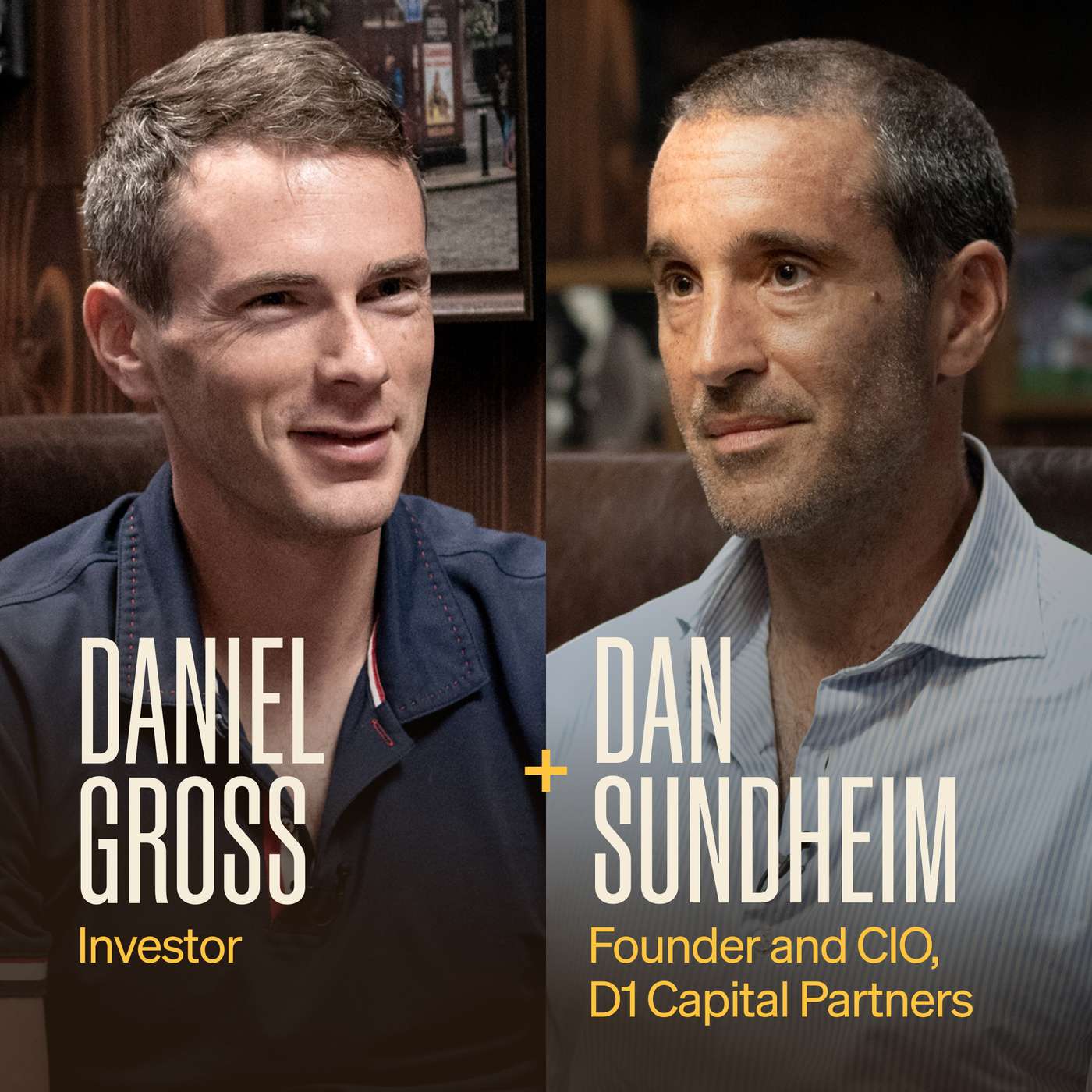
Dan Sundheim argues successful private companies should avoid going public. Public market volatility means stock prices, and thus employee compensation, are driven by sentiment, not fundamental value creation. Being dramatically overvalued can be as harmful as being undervalued, as it misaligns incentives for future hires.
The venture capital paradigm has inverted. Historically, private companies traded at an "illiquidity discount" to their public counterparts. Now, for elite companies, there is an "access premium" where investors pay more for private shares due to scarcity and hype. This makes staying private longer more attractive.
Companies like SpaceX and OpenAI command massive private valuations partly because access to their shares is scarce. An IPO removes this barrier, making the stock universally available. This loss of scarcity value can lead to a valuation decline, a pattern seen in other assets like crypto when they became easily accessible via ETFs.
