Get your free personalized podcast brief
We scan new podcasts and send you the top 5 insights daily.
While many brands retreat during divisive periods, CMO Tim Ellis argues this is the exact moment to lean in. Consistently demonstrating your values when competitors are silent builds deeper trust and loyalty. Reacting to the climate shows weakness; sticking to your strategy shows courage and solidifies your brand identity.

Related Insights
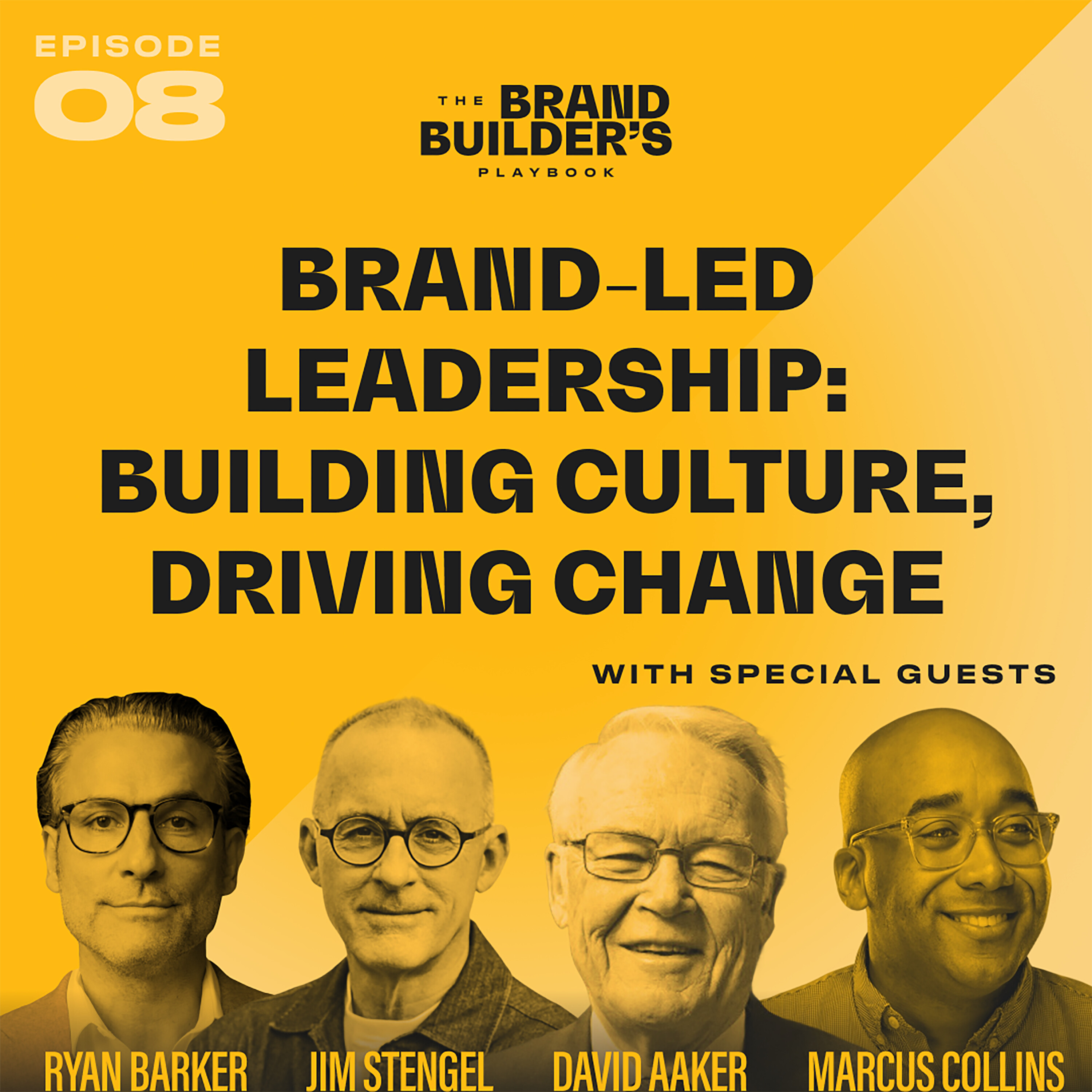
Marketing professor Marcus Collins argues that the true test of brand leadership isn't crafting a purpose statement, but adhering to it when faced with challenges or pressure on shareholder value. Many leaders evangelize their brand's point of view only when convenient, which ultimately undermines authenticity.
In today's polarized climate, corporate neutrality is a missed opportunity. Taking a principled stand against government overreach, as Target could have, builds immense brand loyalty and shareholder value. Consumers and investors are looking for leadership, and CEOs who demonstrate courage can turn it into a significant commercial advantage.

Brands can no longer remain passive on controversial topics. Audiences increasingly penalize inaction, viewing silence not as neutrality but as a deliberate position. This forces companies to take a stand, even when their customer base has fractured and conflicting views.

Many brands retreat to safety during turmoil. However, a true existential crisis can be a unique opportunity, forcing teams to abandon failing playbooks and embrace the unorthodox, high-risk creative ideas that would otherwise be rejected by the system.

When Donald Trump appeared at a McDonald's, the company avoided engaging politically. Instead, their statement—"we're not red, we're not blue, we're golden"—reframed the event around their core identity as a place for everyone, successfully de-escalating the situation by rising above the political fray.

Gymshark's CMO explains their strategy is to be hyper-focused on their core gym audience, even if it alienates others. Quoting an article, he says the world needs more brands "willing to have enemies." This mindset prevents brand dilution and strengthens their identity by not trying to be everything to everyone.

The CMO behind a controversial Sydney Sweeney campaign treated the public backlash not as a crisis, but an opportunity. Instead of apologizing or changing course, he stopped reading social media, referred back to his core strategy and data, and ultimately chose to double down on the partnership.

Consumers now expect brands to be active participants in culture, not just observers who use insights for campaigns. This requires brands to move beyond their comfort zone of brand safety guidelines and take a stance on relevant social issues, which is difficult but necessary to win consumer hearts.
To expand the NFL's fan base, CMO Tim Ellis launched provocative campaigns like "Football is gay." He argues that moving a brand forward requires a willingness to make some people uncomfortable. This approach successfully built trust with key growth segments like youth and the LGBTQ community without alienating the core audience.
True corporate values are steadfast principles that guide a company regardless of the political or social climate. Values that are easily discarded when they become controversial are not core values but rather branding exercises. This inauthenticity risks significant consumer backlash when exposed.