Get your free personalized podcast brief
We scan new podcasts and send you the top 5 insights daily.
Food is not subject to international sanctions, even during wartime. Investors learned they could legally buy Russian wheat during the Ukraine conflict. The initial price surge was caused by shipping and insurance risk premiums, not a trade embargo, explaining the subsequent price normalization.
Related Insights
Global commodity markets are fracturing. The long-held "law of one price," where a commodity had a single global price, is being replaced by divergent regional pricing. National security concerns, tariffs, and supply chain issues now mean the same commodity can have different prices in the US, China, and Europe.

The market is focused on immediate energy disruption, but the overlooked consequence is a future food crisis. Shipping disruptions during planting season blocked fertilizers and other inputs, setting up a potential food supply cascade in late 2026 or early 2027.
India, the world's largest wheat producer, consumes its entire crop domestically. This makes export figures, not total production, the critical metric for investors. A supply disruption in a major exporting nation like Russia or Australia has a far greater impact on global prices.
The humble tomato's 15% price surge illustrates how a single product can be a barometer for multiple, converging geopolitical crises. The spike is not from one issue, but from the combined impact of a trade war, a shipping blockade affecting fuel, and fertilizer shortages, showcasing systemic supply chain vulnerability.

In response to the Russian invasion, Ukrainian farmers pivoted from complex, expensive crops like corn and sunflowers to basics like wheat and barley. This strategy minimizes financial risk and labor needs amidst human capital shortages and infrastructure damage.

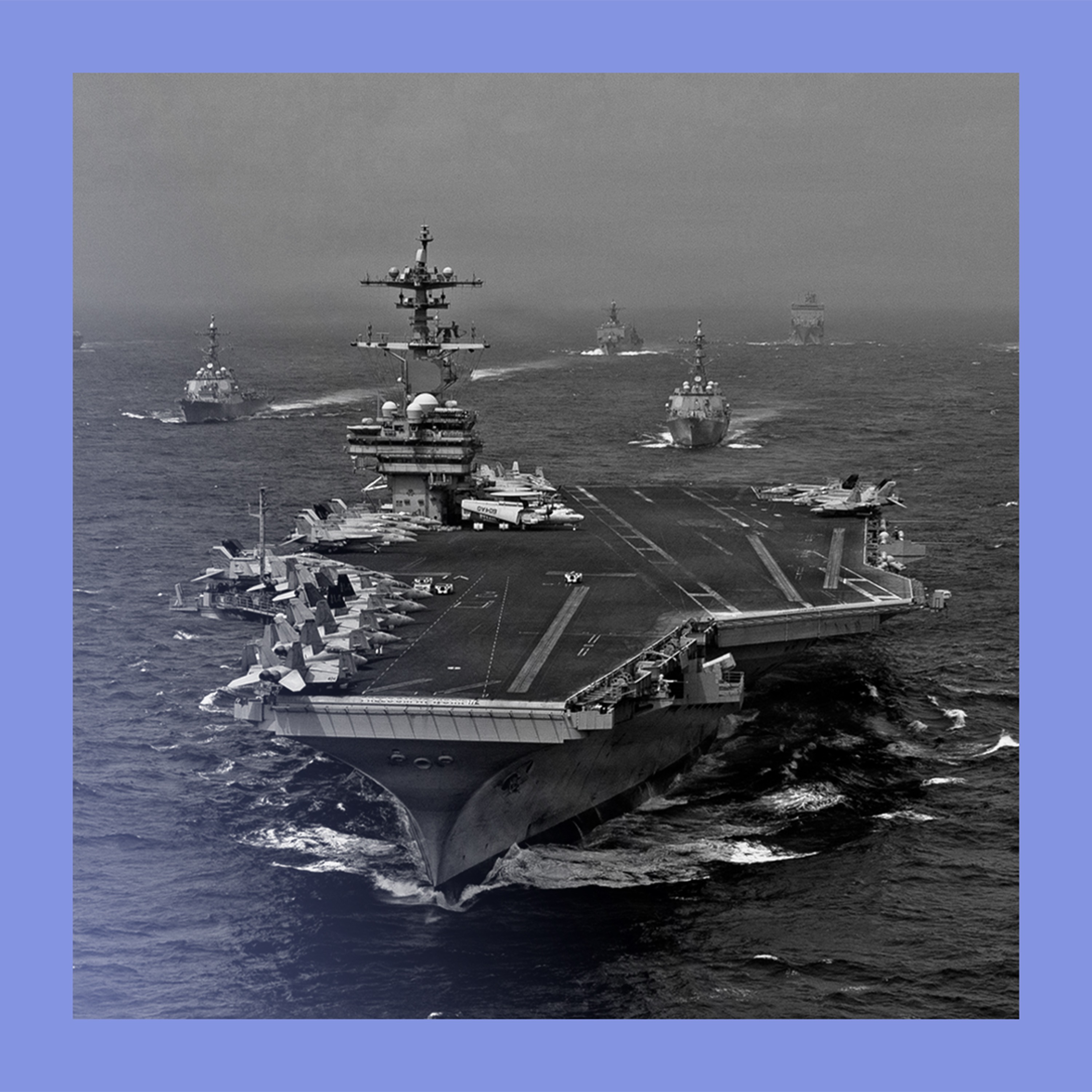
The critical choke point of the Strait of Hormuz is closed not by military force, but by economics. Commercial shipping requires insurance, which is now either unavailable or prohibitively expensive for the region. Even with naval escorts, ships will not sail without coverage, making this an insurance-driven crisis.
In the Strait of Hormuz conflict, shipping traffic and oil prices are dictated not by official US or Iranian announcements, but by the risk perception of ship owners and insurers. This shows how market sentiment can be a more powerful force than political rhetoric in determining economic outcomes.
Unlike equities, agricultural commodities like wheat don't offer steady returns. Farming advancements and subsidies keep prices near a "break-even" flatline for long periods. The investment opportunity lies in cyclical, explosive price spikes caused by unpredictable supply shocks like droughts or geopolitical events.
In the 1970s, food inflation had a greater impact on CPI than energy. A similar pattern is emerging now, as the Strait of Hormuz disruption hits key fertilizer inputs like urea and sulfur. This creates a reliable six-month leading indicator for a major surge in food prices that markets are currently ignoring.
Unlike the Ukraine war's direct impact on grain supplies, the conflict involving Iran is a slower, more insidious threat. By disrupting the Gulf, a key hub for fertilizer production and shipping, it drives up farm costs globally, creating a gradual food crisis that is harder to address and lacks coordinated reserves to mitigate.
