Get your free personalized podcast brief
We scan new podcasts and send you the top 5 insights daily.
For cities like Baltimore, attracting private capital hinges on demonstrating tangible progress in public safety. Mayor Scott noted the shift in investor conversations from "How will you reduce crime?" to "How did you reduce crime?" This highlights that safety isn't just a quality-of-life issue; it's the primary gatekeeper for economic development.

Related Insights
Mayor Daniel Lurie explicitly states his administration has ended the city's long-standing "live and let live" approach to public disorder. This marks a significant policy and cultural shift, prioritizing public safety and quality of life through stricter enforcement over passive tolerance, reflecting a broader trend in liberal cities.
Instead of mass policing, Baltimore uses data to identify individuals most likely to be involved in gun violence. They are offered comprehensive support (housing, job training, relocation). If they refuse and continue criminal activity, they face swift enforcement. Over 90% of those who accept help do not reoffend.
Municipal police budgets are often inflexible and almost entirely allocated to headcount, leaving no room for technology upgrades. Public-private partnerships, where companies or individuals make relatively small donations, are emerging as a critical model for funding essential tech like drones and AI.

The geographic distribution of vacant properties in Baltimore today is not random but a direct legacy of historical, race-based housing policies. The neighborhoods systematically disinvested in via redlining in the 1930s are the same ones suffering from widespread vacancy now, demonstrating the long-term impact of discriminatory policies.
Mayor Matt Mahan attributes his success, including an 87% reelection vote, to radically focusing the city's efforts. By cutting priorities from over 40 to just four (homelessness, crime, clean streets, housing), his administration increased accountability and delivered measurable outcomes on visible issues.

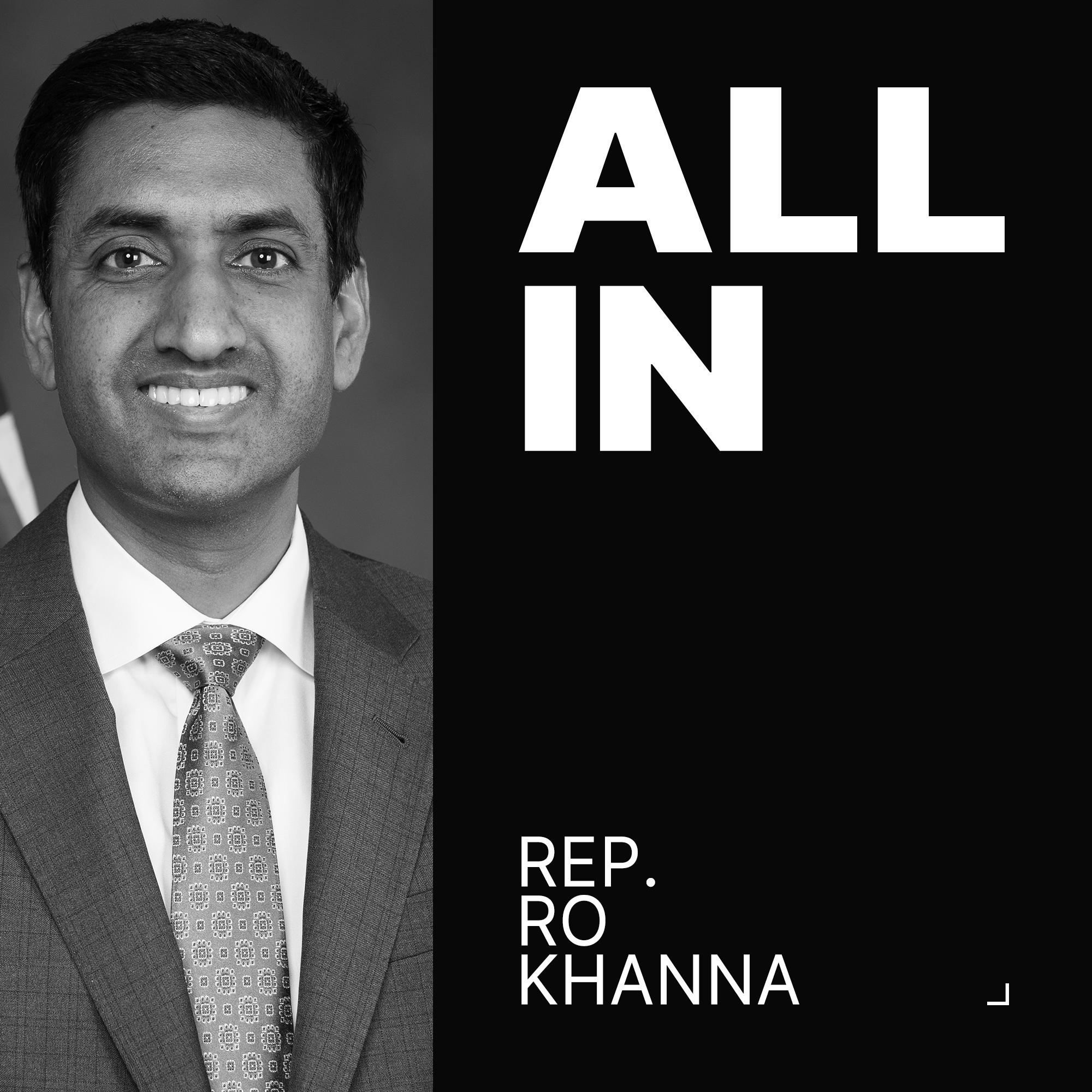
Congressman Ro Khanna makes the case that public safety is a prerequisite for economic prosperity, not a separate issue. He points to his own district, Silicon Valley, arguing its status as a global economic hub is directly correlated with its ranking as one of America's safest areas.
Smart city tech often fails to gain traction because it targets diffuse benefits like 'less traffic.' Successful government sales require aligning with the only two metrics that consistently get mayors re-elected: reducing crime and paving roads.

The ultimate measure of success for a public safety technology company like Flock is not more arrests. Instead, it's the prevention of crime and the reduction of the overall prison population, signaling a shift from reactive enforcement to proactive deterrence and rehabilitation.

Baltimore's experience directly refutes the "tough on crime" theory that equates more arrests with less crime. The city saw homicides drop from 278 to 133 while annual arrests plummeted from 91,000 to 17,000. This demonstrates that a targeted approach, focusing on *who* is arrested, is far more effective than mass arrests.
Baltimore's mayor argues that complex issues like vacant housing cannot be solved within a single 4- or 8-year political cycle. The key to progress is a unified, long-term (15-year) strategy with sustained capital commitment, agreed upon by community, private, and government stakeholders, which provides stability beyond individual administrations.