Get your free personalized podcast brief
We scan new podcasts and send you the top 5 insights daily.
Instead of being a powerful but complex 'everything machine' like competitors (OpenClaw/Linux), Lindy is designed to work 'out of the box' for busy, non-technical executives. This prioritizes a seamless user experience, much like macOS, over infinite customizability.

Related Insights
By living on iMessage, Lindy automatically gains access to Siri, CarPlay, and iOS Shortcuts. This strategic choice allows users to interact with the assistant via voice or car commands without Lindy needing to build and maintain those features itself, piggybacking on Apple's platform.
Simply offering the latest model is no longer a competitive advantage. True value is created in the system built around the model—the system prompts, tools, and overall scaffolding. This 'harness' is what optimizes a model's performance for specific tasks and delivers a superior user experience.

The term "user-friendly" often implies simplification. However, as with Visual Studio Code versus Visual Studio, a more accessible interface can actually be a superset of functionality. Claude Cowork, while easier to use than Claude Code, is more powerful due to better integrations.
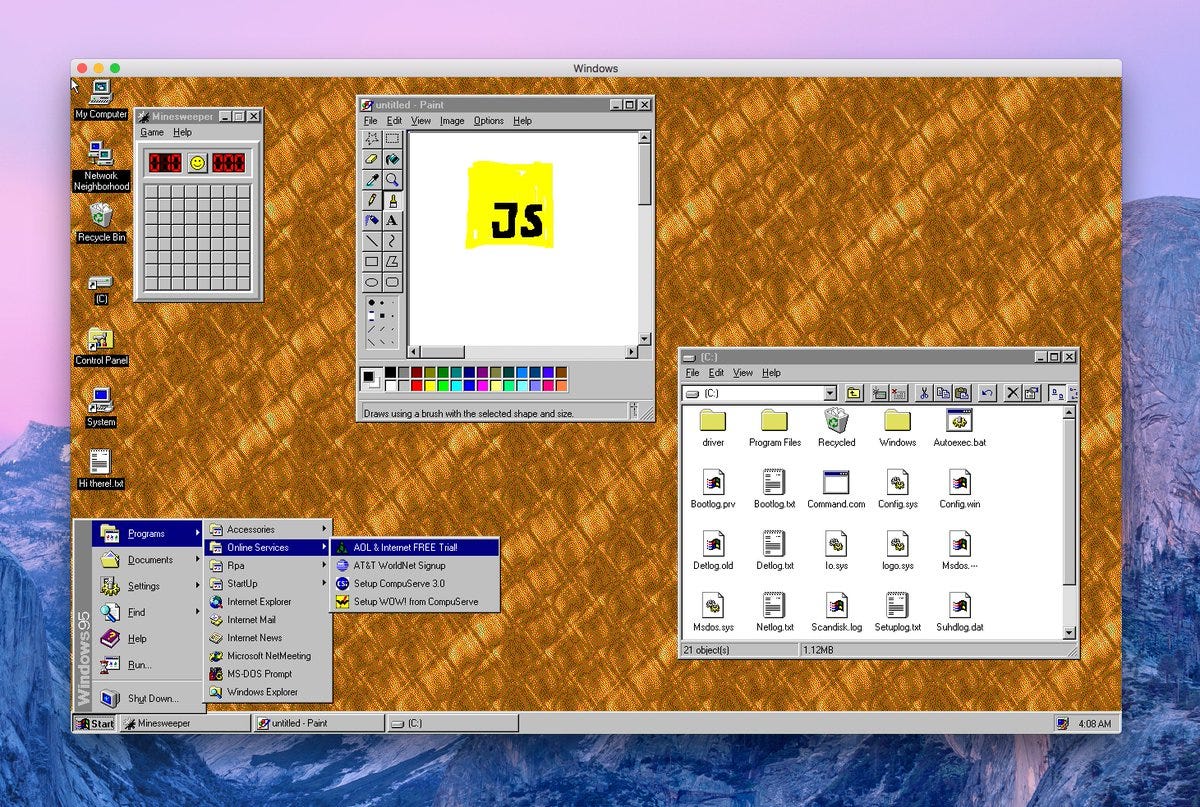
Anthropic's Cowork isn't a technological leap over Claude Code; it's a UI and marketing shift. This demonstrates that the primary barrier to mass AI adoption isn't model power, but productization. An intuitive UI is critical to unlock powerful tools for the 99% of users who won't use a command line.

Apple is replacing Siri with a chatbot, a strategic reversal of its long-held view that AI should only be woven into existing features. This acknowledges the market success of conversational interfaces popularized by OpenAI and Google, suggesting a dedicated chat experience is now essential for a modern OS.
A truly "AI-native" product isn't one with AI features tacked on. Its core user experience originates from an AI interaction, like a natural language prompt that generates a structured output. The product is fundamentally built around the capabilities of the underlying models, making AI the primary value driver.

Apple long envisioned AI as a seamless background utility. By developing a dedicated Siri app, it's admitting that the market, shaped by ChatGPT, expects a destination chatbot. This is a significant strategic shift, acknowledging the dominance of a user experience model Apple initially resisted.

OpenAI's 2025 acquisition of Sky, an AI with deep macOS integration, shows its intent to build a product similar to Claude Bot. This move indicates a strategic shift towards AI agents that can directly interact with a user's apps and operating system.

Instead of setup menus, users onboard Lindy through conversation, just as they would with a human. Telling it "after my meetings, I want you to update my CRM" is the entire configuration process, drastically lowering the adoption barrier for non-technical users.
Apple is focusing its AI efforts on creating a seamless ecosystem of AI-powered hardware (iPhone, AirPods, glasses) that leverage models from partners like Google. Their competitive advantage lies in device integration and user experience, not competing in the costly model-training race.