Get your free personalized podcast brief
We scan new podcasts and send you the top 5 insights daily.
Standalone training often fails to translate into practice. Coaching acts as a powerful accelerator when paired with a specific learning experience, driving up the implementation of new skills and behaviors by 400% and accelerating adoption up to four times faster.

Related Insights
To incentivize faster, high-quality onboarding, offer trainers a bonus for accelerated timelines (e.g., training in two weeks vs. six). Couple this with a penalty: the trainer must fix any of the new trainee's mistakes for free for a set period, ensuring they don't sacrifice quality for speed.

To create scalable offers that deliver results without you, shift from asking 'What do I know?' to 'What must my people do?'. Transformation comes from implementation, not just information. You must surface the hidden, instinctual actions and decisions that experts make to provide customers a clear path to results.

The best use of AI in coaching is as a tool for skill practice, not a human replacement. It offers a safe, low-stakes environment for leaders to rehearse challenging scenarios, like difficult conversations, and receive immediate feedback without the judgment of a human observer.
Instead of traditional classroom training, Stone would take new salespeople on live sales calls. They'd observe him, attempt a pitch themselves, and receive immediate feedback. This rapid, immersive cycle built competence and confidence quickly, even for those without a college degree.

When introducing a new skill like user interviews, initially focus on quantity over quality. Creating a competition for the "most interviews" helps people put in the reps needed to build muscle memory. This vanity metric should be temporary and replaced with quality-focused measures once the habit is formed.

Webflow drove weekly Cursor adoption from 0% to 30% in its design team after one 'builder day' where every participant was required to demo a project. This combination of hands-on practice, peer support from champions, and clear expectations creates rapid, tangible adoption of new AI tools.
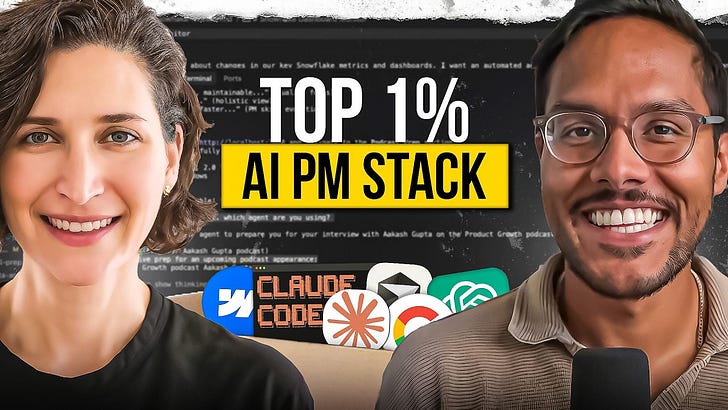
To transform a product organization, first provide universal access to AI tools. Second, support teams with training and 'builder days' led by internal champions. Finally, embed AI proficiency into career ladders to create lasting incentives and institutionalize the change.
The founder, as the best salesperson, should always have a trainee shadowing them. This "double dips" on their time, turning every sales activity into a real-time training session. It's the most efficient way to transfer skills, duplicate the founder's success across a team, and build a scalable sales process based on modeling.
An automated workflow analyzes call transcripts and sends immediate, private feedback to the sales or CS rep on what they did well and where they can improve. This democratizes high-quality coaching, evens the playing field across managers of varying skill, and empowers motivated reps to upskill faster.
Free advice is often ignored. The act of paying for a mentor—the transaction itself—creates a powerful commitment mechanism. This financial investment ensures you value the guidance, pay attention, and are more likely to implement it, dramatically accelerating your progress and helping you avoid costly mistakes.
