Get your free personalized podcast brief
We scan new podcasts and send you the top 5 insights daily.
The recent surge in gold and silver prices is not a sign of imminent U.S. financial collapse. Instead, it reflects investors' desperate search for a non-correlated hedge now that Bitcoin has proven to be correlated with U.S. equities. This "nowhere else to go" dynamic paradoxically reinforces the dollar's relative strength.
Related Insights
The surge in metals isn't just inflation (debasement). It's driven by emerging markets diversifying away from US dollar assets (de-dollarization) after Russia's assets were frozen, and a broader hoarding of physical assets that can't be seized amid rising geopolitical tensions.

Unlike previous price rallies, the recent spike in gold has not prompted owners to sell their secondhand holdings. This indicates a fundamental shift in behavior: people are holding gold as a long-term store of value against currency debasement, not for short-term profit, signaling deep-seated distrust in government-issued money.

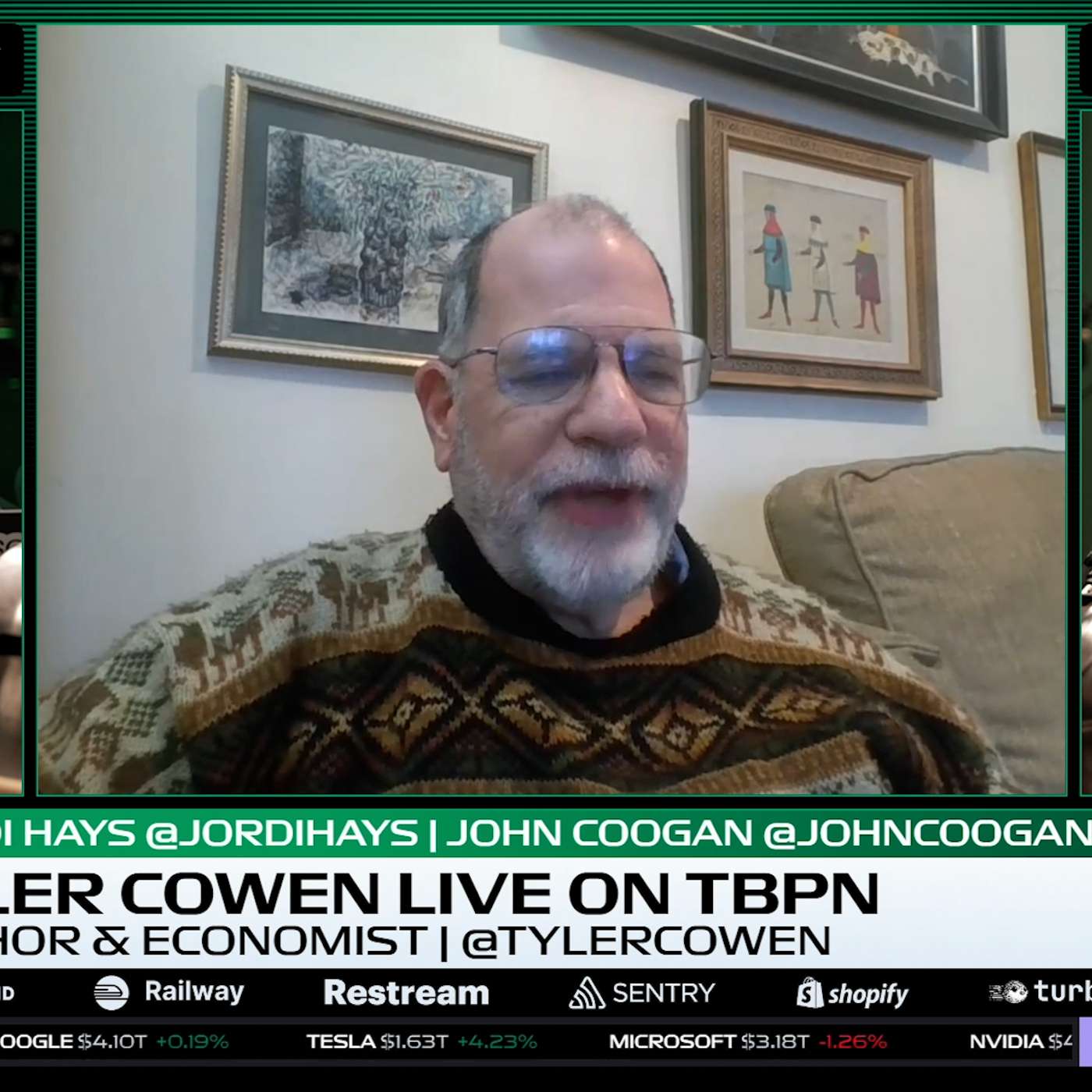
The recent surge in gold and silver prices is paradoxical proof of the US dollar's strength. According to economist Tyler Cowen, it demonstrates that investors seeking a non-correlated, safe-haven asset have nowhere else to go. The lack of a viable alternative forces capital into precious metals, reinforcing the dollar's central role.

Gold's price is rising alongside risk assets and falling during stress events, a reversal of its historical role. This behavior mirrors speculative assets like Bitcoin, suggesting its recent rally is driven by momentum and bandwagon effects, not a fundamental flight from fiat currency debasement.
The recent gold rally was disconnected from institutional indicators like a falling dollar or rising break-evens. Instead, it was propelled by retail investors' fears of currency debasement, leading to meme-like behavior such as people lining up to get physical gold from vaults.
The surge in gold's value isn't just about uncertainty; it's a direct signal that foreign central banks and major investors are losing confidence in U.S. treasuries as a safe asset. This shift threatens the global dominance of the U.S. dollar.

Unlike in 1971 when the U.S. unilaterally left the gold standard, today's rally is driven by foreign central banks losing confidence in the U.S. dollar. They are actively divesting from dollars into gold, indicating a systemic shift in the global monetary order, not just a U.S. policy change.

Unlike Bitcoin, which sells off during liquidity crunches, gold is being bid up by sovereign nations. This divergence reflects a strategic shift by central banks away from US Treasuries following the sanctioning of Russia's reserves, viewing gold as the only true safe haven asset.

During episodes of US government dysfunction, such as shutdowns, the dollar tends to weaken against alternative reserve assets. The concurrent strength in gold and Bitcoin provides tangible market validation for the 'dollar debasement' thesis, suggesting investors are actively seeking havens from perceived fiscal mismanagement.

Historically, the dollar and gold move inversely. When both assets rally together, it's a rare and powerful signal of deep-seated stress in the global financial system. This indicates a flight to safety in both the world's primary reserve currency and its ultimate hard asset.