Get your free personalized podcast brief
We scan new podcasts and send you the top 5 insights daily.
Companies like John Deere (10 CEOs in 190 years) demonstrate that long CEO tenures can be a strength. This longevity, often coupled with internal promotions, fosters cultural continuity and deep institutional knowledge, which can outweigh the perceived benefits of frequent leadership changes from outsiders.
Related Insights
Apple's board selected John Ternus, 51, to avoid a short-term CEO scenario like Disney's Iger-Chapek transition. His age ensures a potential 15-20 year tenure, prioritizing long-term stability over other executive candidates who were all over 60.

When new leadership arrives, a long-serving executive's value lies in their deep institutional knowledge and cross-functional relationships. They can act as a crucial bridge, helping synthesize diverse perspectives to guide the new team's vision and ensure a smoother transition.

A CEO who stays too long creates an organization optimized to respond only to them, causing other skills and response mechanisms to weaken. Leadership changes are healthy because they force a company to develop a more balanced and resilient set of capabilities, breaking the imperial CEO model.

Contrary to the idea of a leader imposing their will, Givaudan's CEO attributes his 20-year success to a natural alignment between his personal values and the company's pre-existing culture. This suggests sustainable leadership hinges on authentic cultural resonance, not a top-down transformation.
In challenging sectors like airlines, a CEO with a decades-long tenure, like Copa's 38-year CEO, fosters a consistent strategy and durable culture. This long-term vision creates a significant competitive advantage over rivals led by executives focused on short-term bonus cycles.

Sandeep Kulkarni, a co-founder and board member at Zura Bio before becoming CEO, highlights this path's advantage. It avoids the challenges external CEOs face in learning the assets, people, and culture, and prevents the mistake of simply reapplying a generic playbook that may not fit the company's unique situation.

Unlike startups, institutions like CPPIB that must endure for 75+ years need to be the "exact opposite of a founder culture." The focus is on institutionalizing processes so the organization operates independently of any single individual, ensuring stability and succession over many generations of leadership.

When Cognex's new CEO took over in 2011, founder Dr. Bob Shillman didn't just leave; he stayed on as 'Chief Culture Officer' for another decade. This long, deliberate overlap was critical in embedding the company's unique culture and values into the next generation of leadership.
![Cognex: Vision Quest - [Business Breakdowns, REPLAY] thumbnail](https://megaphone.imgix.net/podcasts/5a391928-ccce-11ed-863b-7bdbc773faf2/image/55364bb6a294c4be08365a4dccb94c73.jpg?ixlib=rails-4.3.1&max-w=3000&max-h=3000&fit=crop&auto=format,compress)
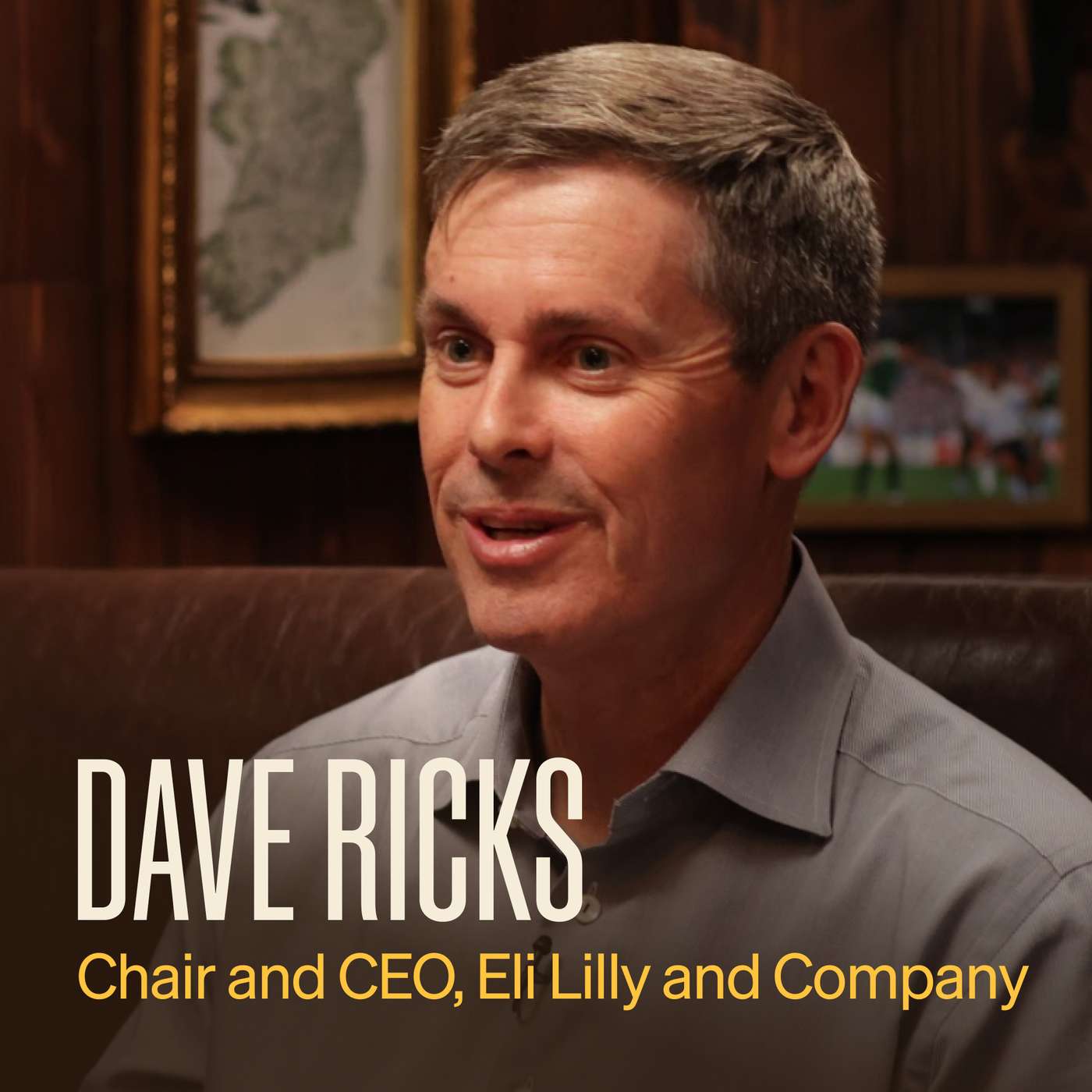
With 150 years of mostly internal CEO succession, Eli Lilly develops leaders who deeply understand the company's culture—its 'unspoken operating system.' This allows them to solve problems effectively without relying on formal committees.
In contrast to leaders who surround themselves with unqualified loyalists, effective CEOs are judged by their ability to mentor and promote talented executives who could one day take their job. A lack of viable internal successors is a major red flag for a company's long-term health and a board's key evaluation metric.
