Get your free personalized podcast brief
We scan new podcasts and send you the top 5 insights daily.
The annoyance founders feel when repeating tasks is not a weakness but a critical driver for growth. This frustration leads directly to the creation of systems and processes, which are the only way to scale a business beyond the founder's individual capacity.

Related Insights
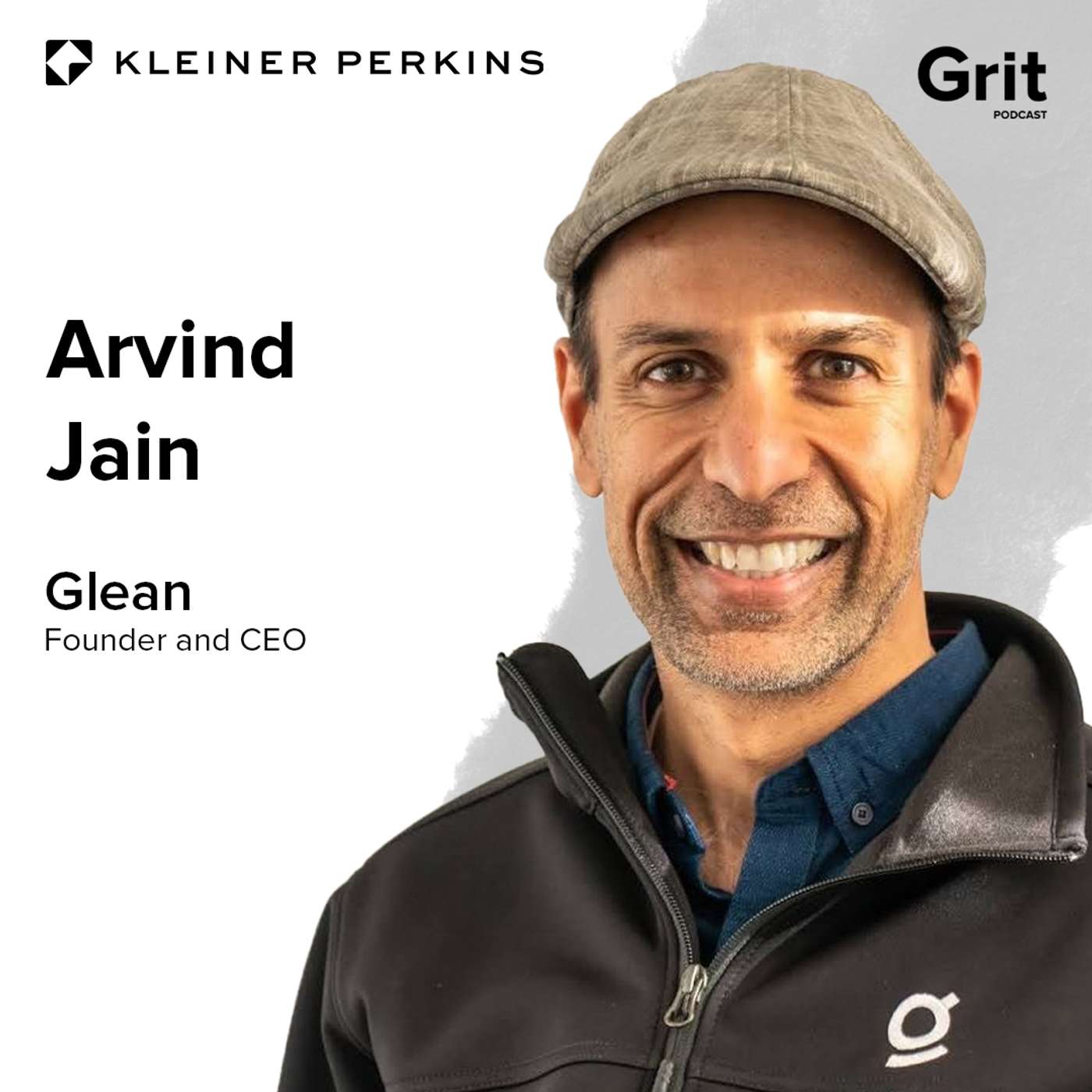
Arvind Jain clarifies that while he doesn't personally enjoy creating processes, he gets more annoyed by the lack of it. He sees process as a critical tool to avoid repeating work and answering the same questions, enabling the company to scale efficiently.
Founder effectiveness requires a two-phase approach. First, build the operational "machine" of the company—hiring, processes, and product. Only then can the focus shift to identifying and resolving the single biggest bottleneck. Fixing bottlenecks before a system exists is ineffective.

Highly intelligent founders are adept at creating sophisticated justifications for avoiding uncomfortable but necessary tasks like outbound sales. Rigid frameworks and templated calendars are essential tools to prevent them from "outsmarting" themselves and derailing their own progress.
Acknowledging he gets bored with the "blocking and tackling" of day-to-day operations, Matt O'Hayer brought in a partner to handle that side of the business. This act of self-awareness is crucial for visionary founders: hire for your operational weaknesses to free yourself up for strategy and growth, preventing your own boredom from stalling the company.

Founders often hoard tasks they dislike, feeling they shouldn't burden others. Shopify's CEO realized this leads to misery and that every task he dreaded was an exciting growth opportunity for someone else. This reframes delegation from burden-shifting to opportunity-creation.

Founders typically excel as individual contributors—they are faster, better, and stronger. However, scaling requires a completely different skill set focused on leadership, systems, and processes. The transition fails when founders can't evolve from being the best 'doer' to being the best 'builder.'
Many entrepreneurs love their core business but lose motivation as their role expands to include responsibilities they dislike (e.g., finance, operations). The solution is to reinvest early profits into hiring employees to handle these tasks, freeing the founder to focus on their strengths and passions.

Founders often focus on their passions but remain stuck in draining tasks. The key to advancing from operator to owner is to first identify and eliminate the work you never want to do again. This clarity is what unlocks the capacity to focus on high-value, enjoyable work.

The same traits that create initial success—total control, working the hardest, making every call—are the ones that trap the business and prevent it from scaling. To grow, a leader must evolve from a technician doing the work to a coach building the people who do the work.

Instead of taking on every task, business owners should focus on finding the right person, mentor, or AI tool to solve problems. This outsourcing and delegation mindset is crucial for growth and prevents the founder from becoming a bottleneck.
