Get your free personalized podcast brief
We scan new podcasts and send you the top 5 insights daily.
Research shows AI usage shifts cognitive effort from problem-solving to simply integrating AI output. Higher trust in AI correlates with less critical thinking, leading to "precarious agency" where users feel in control but are actually making smaller, algorithmically-shaped decisions without realizing it.

Related Insights
Using generative AI to produce work bypasses the reflection and effort required to build strong knowledge networks. This outsourcing of thinking leads to poor retention and a diminished ability to evaluate the quality of AI-generated output, mirroring historical data on how calculators impacted math skills.
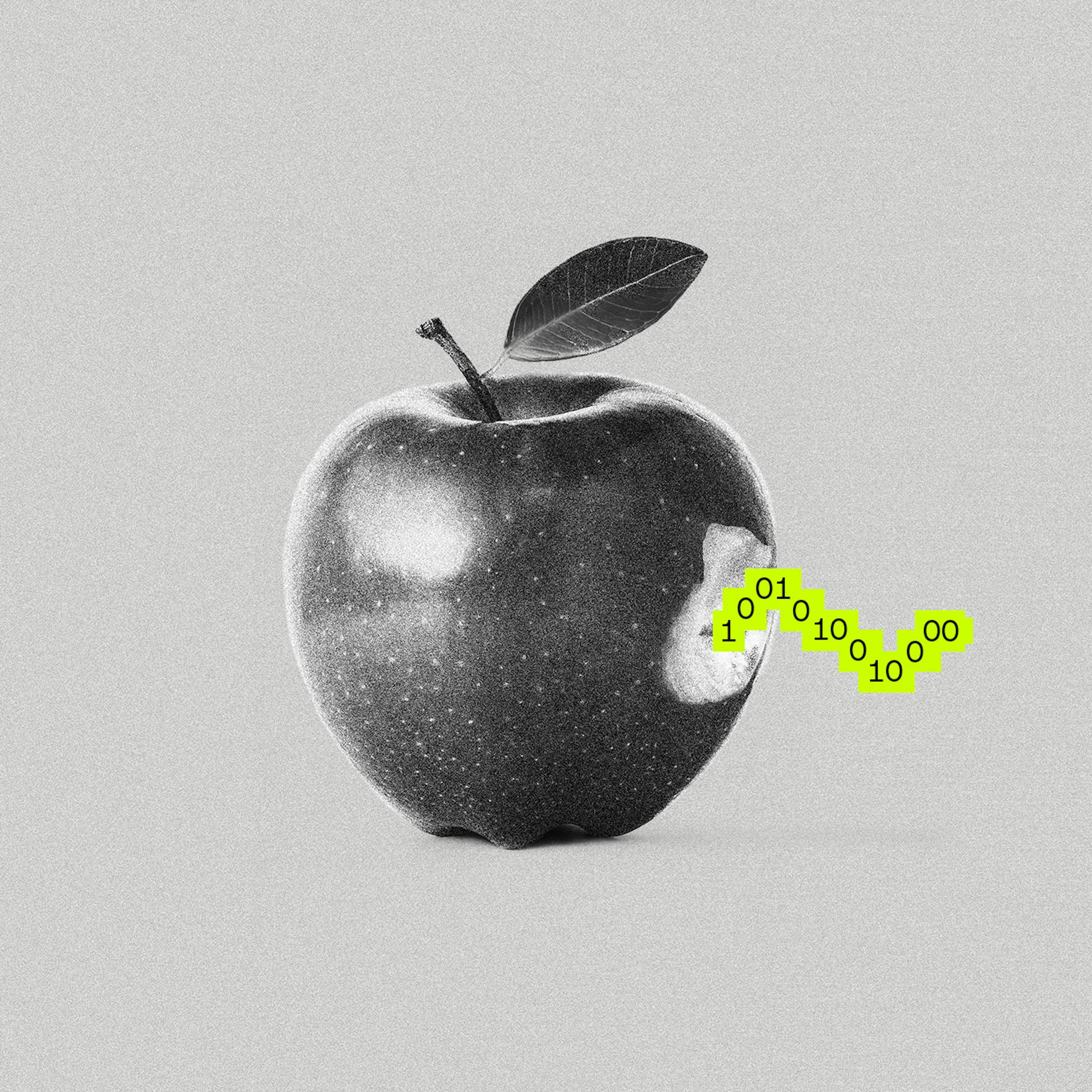
While AI boosts efficiency, over-reliance creates a significant risk of weakening critical thinking and decision-making skills. This is especially dangerous for junior employees, who may use AI as a shortcut and miss the foundational experiences necessary to develop true expertise.

Constantly using AI for initial drafts can erode your ability to start from a blank page. Your brain's 'first-principles' problem-solving muscle weakens, and you risk becoming merely an editor of AI output rather than a true originator of ideas.

An Anthropic study on user behavior found that as AI generates more polished outputs like working code, users become less evaluative and more trusting. This "verification gap" is a critical flaw in human-AI collaboration, as polished results should trigger more scrutiny, not less.

While AI can accelerate tasks like writing, the real learning happens during the creative process itself. By outsourcing the 'doing' to AI, we risk losing the ability to think critically and synthesize information. Research shows our brains are physically remapping, reducing our ability to think on our feet.

In a real-world experiment with consultants, AI use led to 25% faster and 40% higher quality results for tasks it excels at. However, for tasks requiring judgment and nuance, AI users were 19 percentage points less likely to produce correct solutions, highlighting a critical trade-off.
AI experts like Eric Schmidt and Henry Kissinger predict AI will split society into two tiers: a small elite who develops AI and a large class that becomes dependent on it for decisions. This reliance will lead to "cognitive diminishment," where critical thinking skills atrophy, much like losing mental math abilities by overusing a calculator.

Constantly offloading planning, organizing, and problem-solving to AI tools weakens your own critical thinking muscles. This "executive function decay" makes you less capable of pushing AI to its limits and ultimately diminishes your value as a strategic thinker, making you more replaceable.

The act of writing is not just about producing words; it's a rigorous process of structuring thoughts and building knowledge. Offloading this 'hard work' to AI conveniences away the cognitive benefit, turning people from active creators and thinkers into passive observers and editors.

The primary risk of AI isn't just incorrect output, but that users abdicate their own critical thinking. Effective use requires actively debating the AI and seeking disconfirming evidence. Simply accepting its output as an oracle leads to cognitive decline and poor decision-making.
