Get your free personalized podcast brief
We scan new podcasts and send you the top 5 insights daily.
AI won't just help people use applications like Excel; it will eliminate the need for them entirely. The final user interface will be a conversational agent that manages underlying data and executes complex tasks on command, making traditional software and its associated friction obsolete.

Related Insights
AI's biggest enterprise impact isn't just automation but a complete replatforming of software. It enables a central "context engine" that understands all company data and processes, then generates dynamic user interfaces on demand. This architecture will eventually make many layers of the traditional enterprise software stack obsolete.

AI is fundamentally changing SaaS interaction. Instead of users clicking buttons to take action, AI will perform the tasks. The UI will then transform into a surface where users primarily review AI-driven outcomes, get insights, and make corrections, often interacting via conversational language.

The dominant paradigm of interacting with computers through graphical user interfaces (GUIs) is temporary. The future is a single, conversational AI agent that acts as an operating system, managing all your data and executing commands directly, thereby making applications and their visual interfaces redundant.
A huge portion of product development involves creating user interfaces for backend databases. AI-powered inference engines will allow users to state complex goals in natural language, bypassing the need for traditional UIs and fundamentally changing software development.

The logical conclusion of AI agent adoption is the obsolescence of user interfaces like browsers and apps. As software is increasingly used by other bots on our behalf, the primary user is no longer human. This shifts software's purpose from human interaction to machine-to-machine communication.
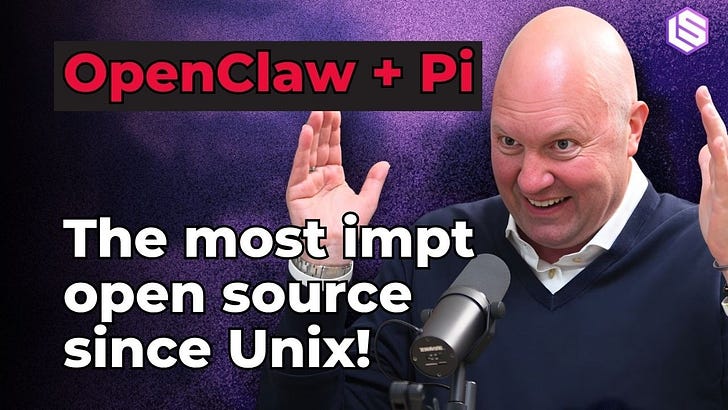
The future of software isn't just AI-powered features. It's a fundamental shift from tools that assist humans to autonomous agents that perform tasks. Human roles will evolve from *doing* the work to *orchestrating* thousands of these agents.
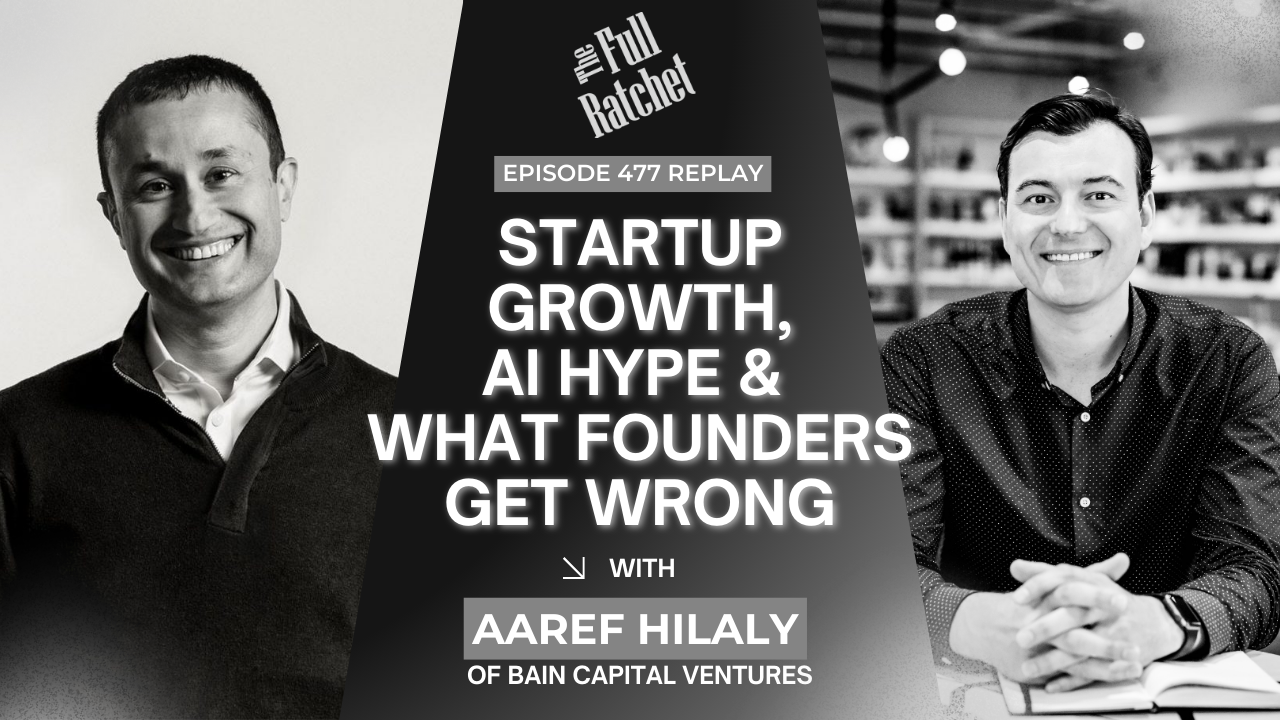
The next user interface paradigm is delegation, not direct manipulation. Humans will communicate with AI agents via voice, instructing them to perform complex tasks on computers. This will shift daily work from hours of clicking and typing to zero, fundamentally changing our relationship with technology.

Legacy business software like Excel are "IDEs for analysts" and are doomed. The core abstraction layer is shifting from graphical interfaces with complex, hard-to-discover functions to direct, natural language interaction with agents like Claude Code, which is a fundamentally superior workflow.

Instead of interacting with SaaS GUIs (like Greenhouse for hiring), users will interact with AI agents. These agents will directly manipulate the underlying system-of-record data, managing entire workflows from a simple conversation and making the traditional SaaS application redundant.

Users will stop interacting with countless individual apps and websites. Instead, they'll communicate with a personal AI agent that handles tasks by interfacing with services via APIs, making traditional graphical user interfaces obsolete.