Get your free personalized podcast brief
We scan new podcasts and send you the top 5 insights daily.
James Everingham learned at Netscape that a superior product doesn't guarantee victory. Microsoft leveraged its operating system dominance to bundle Internet Explorer for free, making distribution—not technology—the key battleground. This move instantly nullified Netscape's revenue model.

Related Insights
Initially, Microsoft's go-to-market strategy was not to displace competitors but to displace customers' own internal development teams. They framed their software's price as a fraction of a company's fixed in-house engineering budget, a powerful value proposition that defined a new category of B2B sales.

Massively out-resourced by Microsoft, Netscape couldn't win a traditional corporate battle. They changed the game by open-sourcing their browser, creating Mozilla. This was a strategic move to enlist thousands of developers worldwide to help them compete, transforming a corporate fight into a community mission.
Widespread user complaints suggest Microsoft's Copilot is underperforming, yet the company continues to bundle it and raise prices. This is a classic incumbent strategy: leveraging a locked-in customer base to extract value from a subpar product rather than competing on quality and user experience, creating an opening for more agile competitors.

History, from VHS vs. Betamax to Microsoft Teams vs. Zoom, shows that a superior distribution network is a more powerful competitive advantage than a superior product. Being bundled with existing platforms or backed by major players can create an insurmountable moat.

Microsoft employed a deeply anti-competitive tactic called "vaporware." They would identify a promising application, publicly announce it would become a feature in Windows—which scared off the startup's customers and investors—and then deliberately not ship the feature.
Technical founders often mistakenly believe the best product wins. In reality, marketing and sales acumen are more critical for success. Many multi-million dollar companies have succeeded with products considered clunky or complex, purely through superior distribution and sales execution.

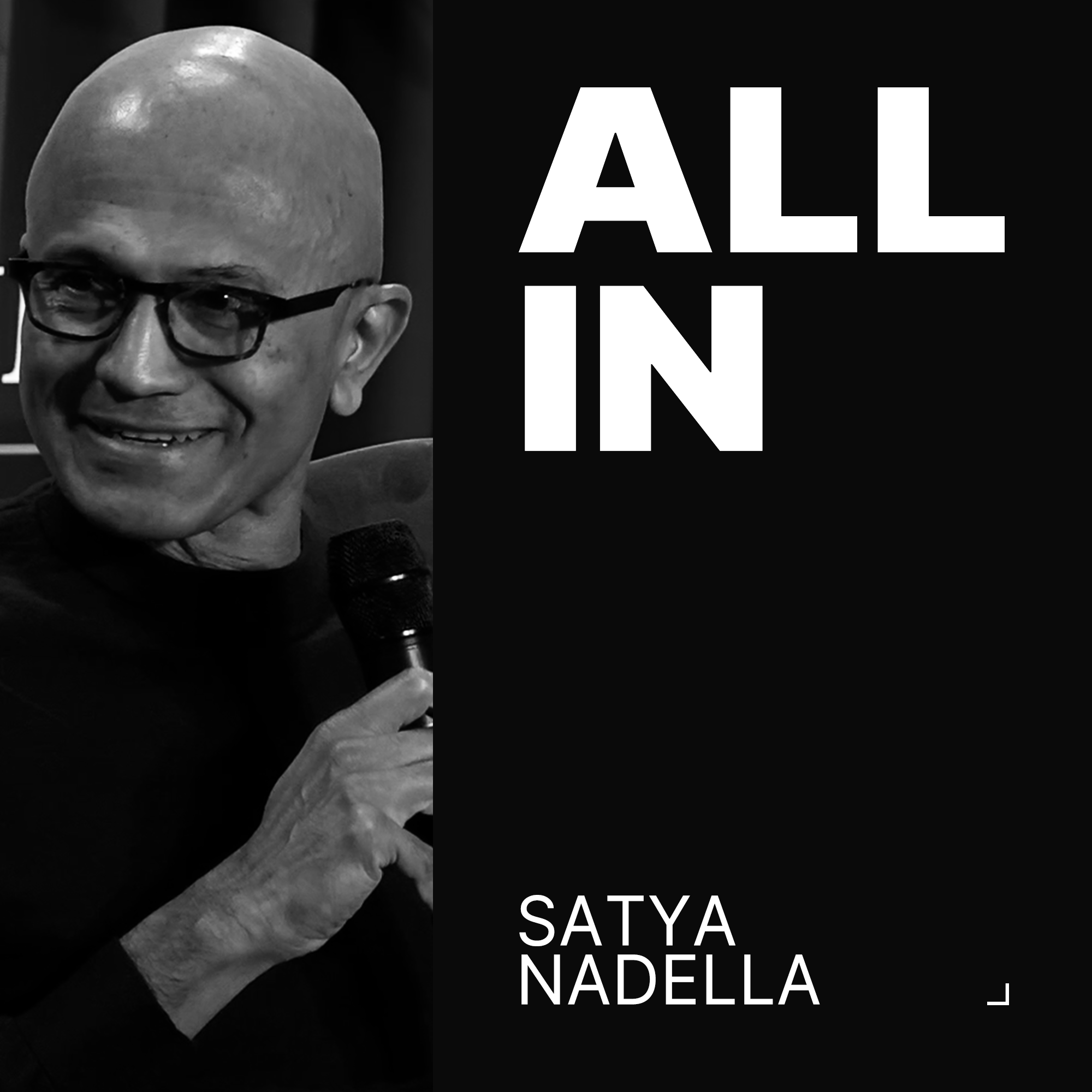
Microsoft CEO Satya Nadella argues that the ultimate measure of a platform's success isn't its own revenue, but the economic value created by its ecosystem. A platform thrives when partners and developers generate multiples of the platform's own revenue, creating a durable competitive advantage and fostering global trust.
Mitchell Green argues that for most software, defensibility comes from sales, marketing, and deep customer integration—not technology alone. This is why incumbents like Workday or large retailers in e-commerce often win against disruptors over the long term.
![Mitchell Green - Lessons from Cold Calling 10,000 Companies - [Invest Like the Best, EP.464] thumbnail](https://megaphone.imgix.net/podcasts/75b94c5e-2716-11f1-9b2f-8fbf1bf324fd/image/d7dd1be81070080eb0ed10b88ca232d8.jpg?ixlib=rails-4.3.1&max-w=3000&max-h=3000&fit=crop&auto=format,compress)
The world-changing idea for Netscape wasn't the first one its founders pursued. They explored building a graphics chip and an online gaming service before recognizing the browser's commercial potential. This shows that innovation is an iterative process of exploring and discarding ideas to find the right one.

Excel's market dominance stems from Microsoft's strategy of bundling it into the non-negotiable Microsoft Office suite. This made it impossible for enterprise customers to purchase software à la carte, effectively locking out competitors and making individual user preference irrelevant.