Get your free personalized podcast brief
We scan new podcasts and send you the top 5 insights daily.
Counterintuitively, the academy combats student poaching by VCs by advising most students *not* to start a company immediately. They argue a 1-2 year exploration period is vital for building conviction for the decade-long startup journey, positioning the academy as the ideal environment for this phase.

Related Insights
The for-profit academy plans three revenue streams: premium tuition justified by high value, corporate partnership fees from companies seeking elite talent, and long-term monetization through equity in companies founded by its alumni.
To prevent students from building trivial businesses for markets they know (e.g., school, other teens with no money), the school's first requirement is developing deep expertise in a specific domain. This forces them to find a real competitive advantage before ever building a product.

Both Tim Ferriss and Michelle Khare advise against starting a company immediately after school. Instead, work for a company like BuzzFeed where you learn every aspect of the business, gain broad experience, and make your "dumb mistakes" on someone else's payroll.

Before leaving academia, aspiring founders should have honest, non-fundraising conversations with potential investors. This "test drive" provides candid feedback on the idea's fundability, business structure, and necessary milestones, preventing them from launching a company that is misaligned with market expectations.

The academy differentiates from accelerators like YC by offering a structured 1-2 year exploration period. It targets elite young builders who aren't yet committed to a single startup idea, providing a crucial bridge between high school and founding a company.
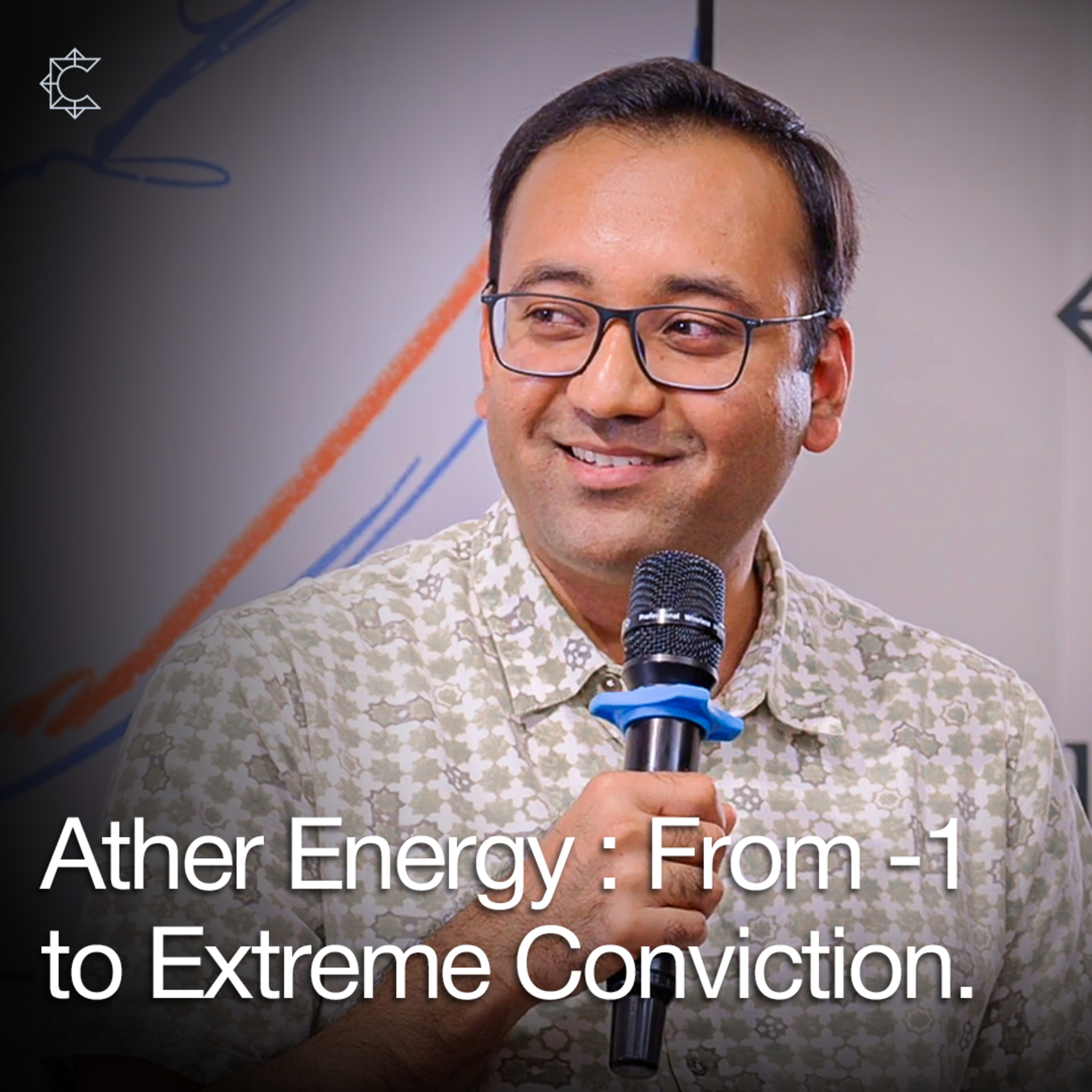
Before officially starting, founders are in a '-1 to 0' phase. Instead of rushing, they should take months or even a year to find a core purpose they can commit to for a decade. This deep conviction provides immense peace, prevents reactive pivots, and sets a stable foundation for the long term.
The admissions process aims to identify students who build things from passion, not just to pad a college application. They seek the 'you did what?' factor, prioritizing proof of work and intrinsic drive over credentials, recognizing that the best builders are often driven by genuine enjoyment.
While accelerators emphasize speed, SPC's model prioritizes exploration to ensure founders are sprinting towards the right goal. This "minus one to zero" phase helps founders confirm they're working on something that gives them "enough juice in the tank" for the long marathon of building a company.
Instead of burning investor money on discovering a problem, founders can take a job in their target industry. This "paid research" approach provides deep, first-hand insights and validates pain points, potentially saving years of pivoting and preserving capital for scaling a proven solution.

The accelerator's mission is to get as close as possible to the moment of company creation. It actively encourages founders with full-time jobs to quit by providing the capital and support needed, effectively manufacturing new startups that might have otherwise waited years to launch.
