Get your free personalized podcast brief
We scan new podcasts and send you the top 5 insights daily.
The consolidation of SpaceX, Starlink, and XAI under Elon Musk grants one person immense control over global communications, space access, and information. This power is unchecked, as he is unelected and not bound by the same constraints as a government, posing a unique and personal systemic risk.

Related Insights
The sequential mergers of X with xAI, then with SpaceX, and potentially Tesla, signal the formation of a single entity. This "Musk Industries" would leverage shared manufacturing learnings and AI development across cars, rockets, robots, and social networks, creating powerful synergies.
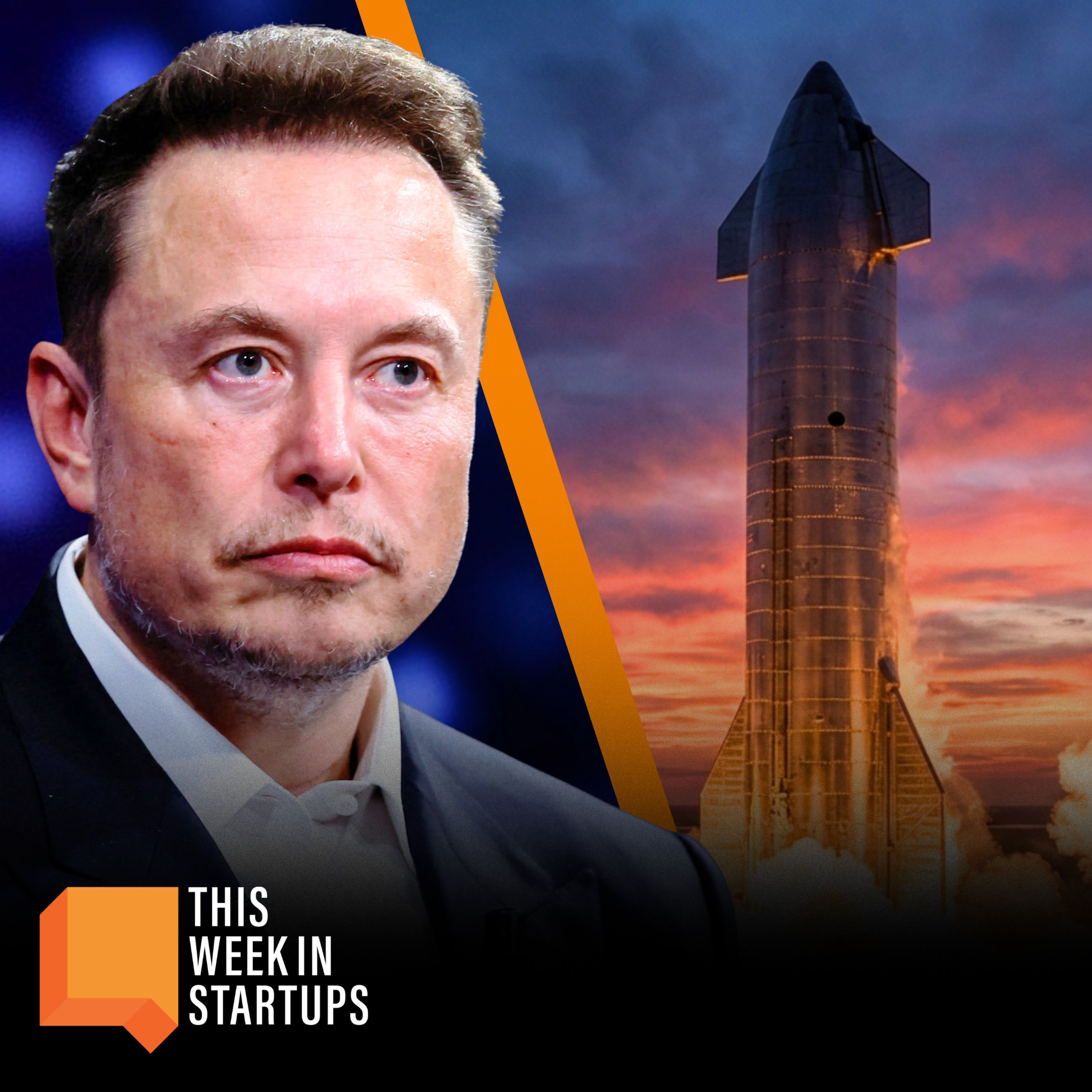
By owning both the launch capability (SpaceX) and the network (Starlink), Musk could exert ultimate control over internet infrastructure. This creates a scenario where he could deny network access to rivals, like OpenAI, representing a powerful and unprecedented form of vertical integration.

Despite different political systems, the US and Chinese internets have converged because power is highly centralized. Whether it's a government controlling platforms like Weibo or tech oligarchs like Elon Musk controlling X, the result is a small group dictating the digital public square's rules.

The SpaceX IPO could make Musk the first trillionaire. This level of wealth translates directly to immense political power, raising concerns about a single unelected individual's ability to influence global events and elections.

The idea of a single, vertically integrated "Elon Inc." combining SpaceX, X, Tesla, and xAI provides a strategic framework for understanding Musk's moves. This makes seemingly disparate actions, like a potential SpaceX acquisition of XAI, appear as logical steps toward a larger, unified entity.

Elon Musk's ability to influence the war in Ukraine via Starlink highlights a frightening new reality. A single, unelected individual can alter the course of global conflicts based on personal whim. This power, accountable to no one, poses a significant threat to democratic governance and international stability.
Elon Musk's plan to merge SpaceX with xAI is a strategic move to build a vertically integrated powerhouse. This deal combines SpaceX's physical infrastructure, satellite network, and massive revenue from Starlink with xAI's artificial intelligence ambitions, creating a single entity that controls both the digital and physical layers of a new tech ecosystem.

The consolidation of SpaceX and xAI is creating a private entity with a valuation rivaling Tesla's public one. This could be a strategic maneuver to accumulate enough private capital and leverage to eventually take Tesla private, unifying Musk's core ventures under a single, privately controlled empire.

Musk's promotion of orbital data centers is a strategic narrative to justify merging his capital-starved xAI into SpaceX. This allows him to fund his AI ambitions and compete with rivals like OpenAI, driven more by ego and a desire for attention than immediate technical feasibility.

Meredith Whittaker argues the biggest AI threat is not a sci-fi apocalypse, but the consolidation of power. AI's core requirements—massive data, computing infrastructure, and distribution channels—are controlled by a handful of established tech giants, further entrenching their dominance.