Get your free personalized podcast brief
We scan new podcasts and send you the top 5 insights daily.
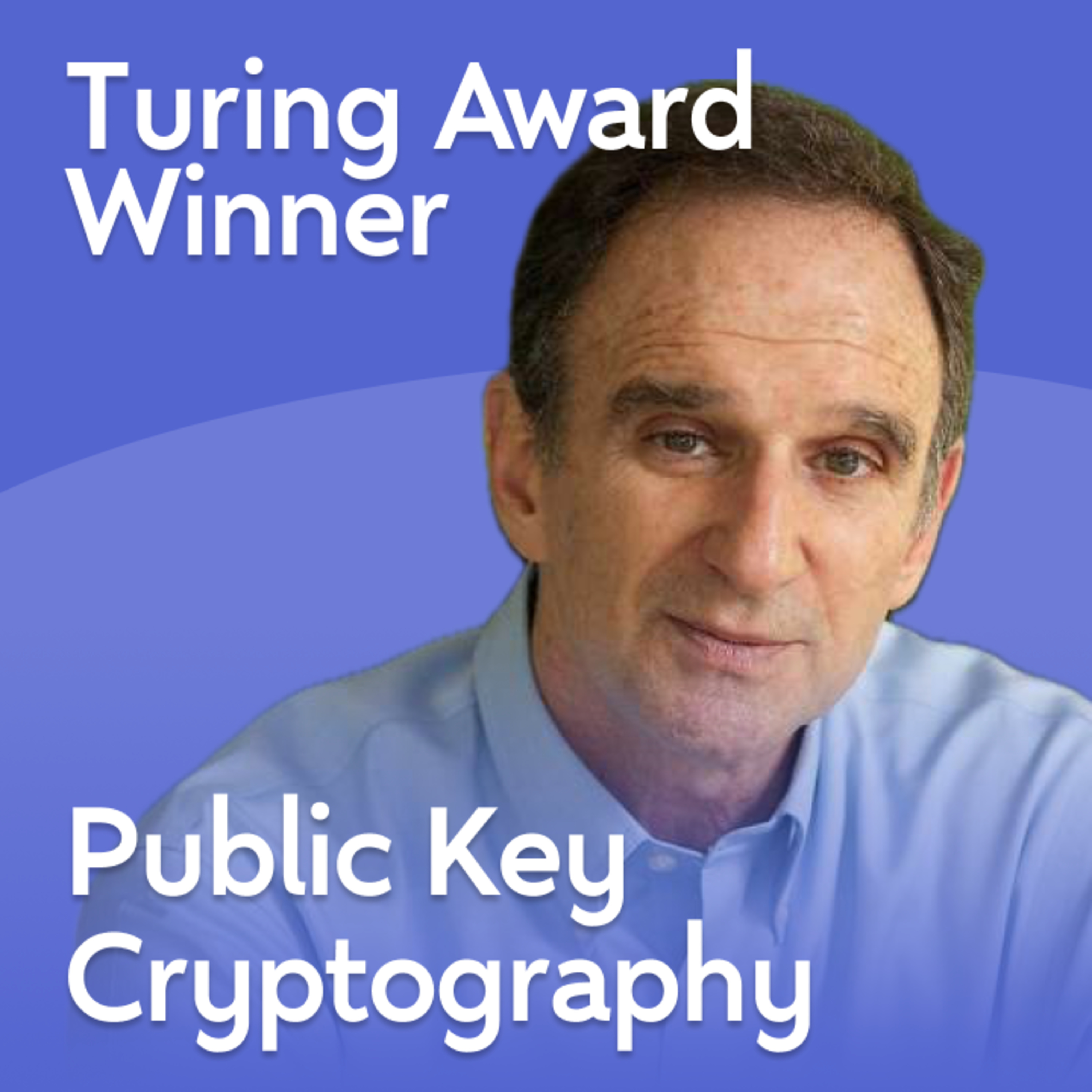
Breakthroughs like public-key cryptography often appear in multiple places at once because the underlying technological and conceptual components are finally available. Martin Hellman poetically calls this a "muse" whispering the idea to the few who are listening and willing to pursue a "crazy" thought.
Related Insights
Colleagues, including leading professors, universally told Martin Hellman he was crazy to work on cryptography against the NSA. He notes this is common for transformative ideas, citing Nobel laureates who received similar dismissive feedback from their deans before their prize-winning work.
The hypothesis for ImageNet—that computers could learn to "see" from vast visual data—was sparked by Dr. Li's reading of psychology research on how children learn. This demonstrates that radical innovation often emerges from the cross-pollination of ideas from seemingly unrelated fields.

History shows that major breakthroughs are often preceded by someone who meticulously defines a problem, attracting solvers to it. However, society celebrates the solver, not the definer. Spending more time on precise problem definition is a powerful, yet under-appreciated, path to innovation.

When pitched on Meta's crypto project, James Everingham initially dismissed it. But the idea's potential for impact lingered in his mind, a phenomenon the project lead called the 'mental virus.' This delayed-but-intense obsession is a powerful signal that a mission is truly compelling.

Breakthroughs often occur in routine environments like the shower or during a walk. These activities promote what psychologists call "divergent thinking," where the relaxed mind makes novel connections. This scientific process can be intentionally triggered to solve complex problems and foster creativity.
The history of mathematics is filled with examples, like Newton and Leibniz independently discovering calculus, where different people in isolation uncover the exact same mathematical systems. This suggests they are not inventing a language but discovering a pre-existing computational structure inherent to the universe itself.

History and technology are not inevitable. Specific individuals in key moments can change an industry's entire trajectory. Ben Horowitz cites how one engineer at Netscape, Kip Hickman, created SSL, securing the open internet against proprietary control.

Breakthrough innovation often comes from entrepreneurs holding a non-consensus belief about the future. This vision can seem irrational, like the man live-streaming an inauguration on a laptop in 2009. This conviction in their "secret" knowledge, which others dismiss, is a key trait of visionary founders who can build what others cannot yet see.

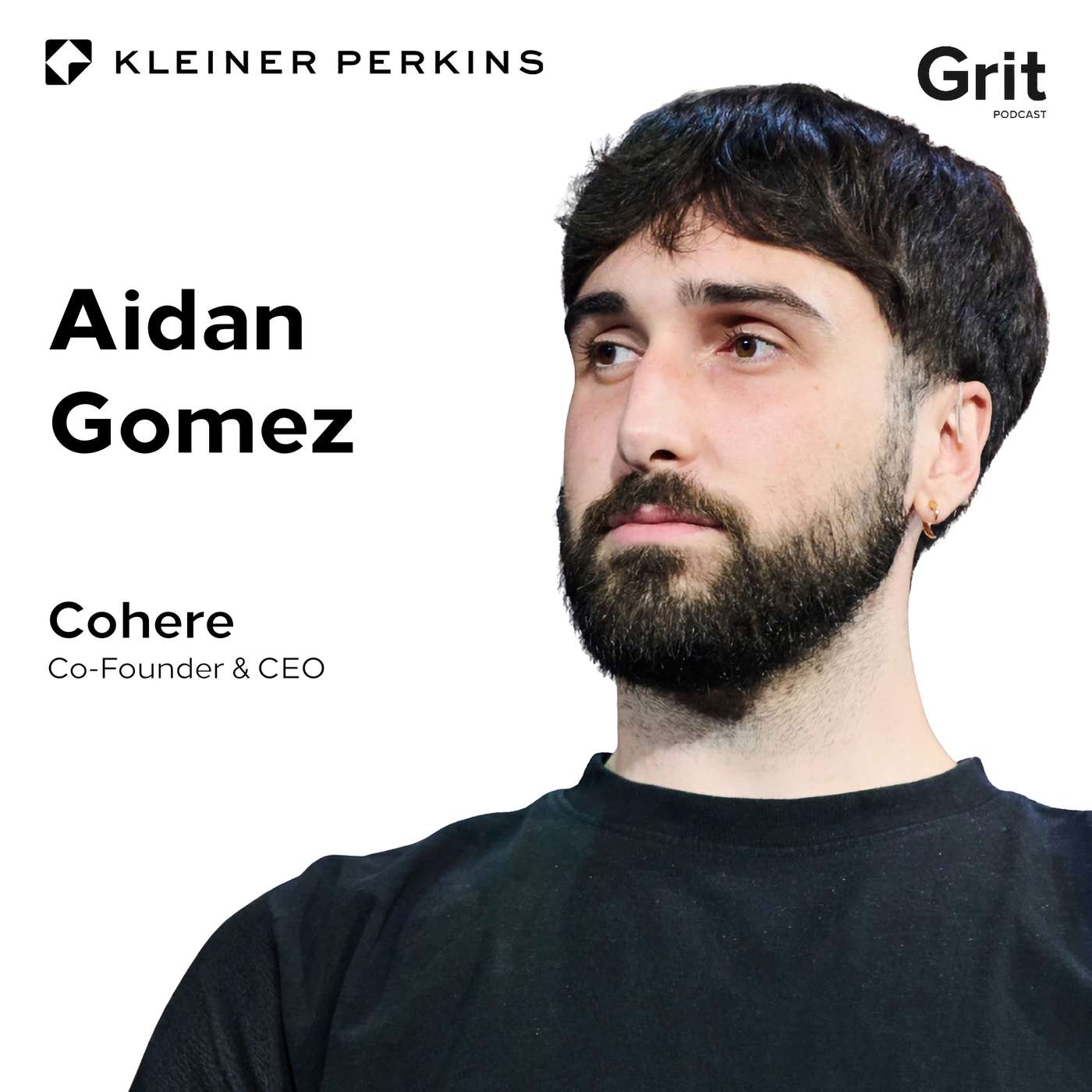
Cohere's CEO believes if Google had hidden the Transformer paper, another team would have created it within 18 months. Key ideas were already circulating in the research community, making the discovery a matter of synthesis whose time had come, rather than a singular stroke of genius.
The foundational concept for modern LLMs, the attention mechanism, originated from an intern, Dima Badanao, in Yoshua Bengio's lab. The idea was so brilliant that its potential for success was immediately apparent upon explanation, before it was even coded.