Get your free personalized podcast brief
We scan new podcasts and send you the top 5 insights daily.
In an industry like insurance with few structural competitive advantages, founder Prem Watsa identifies culture as Fairfax's only true moat. Qualities like trust, fairness, humility, and long-term thinking differentiate the company, drive performance, and are nearly impossible for competitors to copy.

Related Insights
Financial results are a downstream outcome. The true upstream driver is a company's culture—its talent density, hiring practices, and incentive systems. A strong culture creates a reinforcing feedback loop that attracts talent, improves decisions, and fuels compounding for decades.

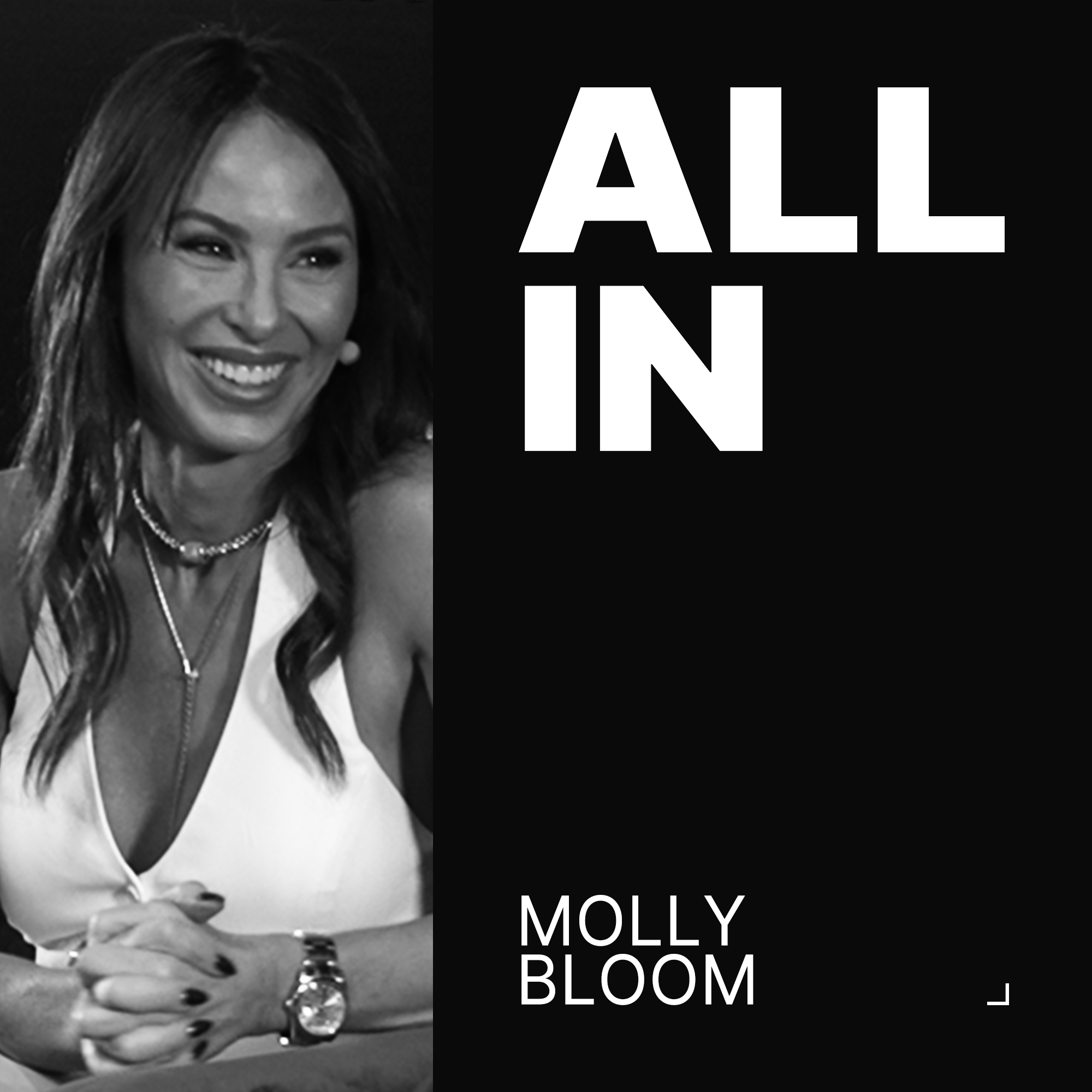
In a world rife with shortcuts, Molly refused offers that would compromise her game's integrity, like letting pros play for a fee. This commitment to trustworthiness and investing in people built immense relational capital. This reputation became her core competitive advantage, creating a high-trust environment that attracted the best clients.
In the AI era, where technology can be replicated quickly, the true moat is a founder's credibility and network built over decades. This "unfair advantage" enables faster sales cycles with trusted buyers, creating a first-mover advantage that is difficult for competitors to overcome.

Prem Watsa embedded his company's core values directly into its name. "Fair" signifies equitable treatment, the second "F" stands for "Friendly" (no hostile takeovers), and "AX" is a nod to its focus on acquisitions. This makes the company's cultural DNA clear to all stakeholders.
Culture is a strategic tool, not just a set of values. It must be designed to reinforce your specific competitive moat. Amazon’s frugal culture supports its low-price leadership, while Apple's design-obsessed culture supports its premium brand.

Charlie Munger's term describes leaders who aren't just driven, but are adaptable learning machines. They build high-performance cultures based on trust and ownership, focus on long-term value, and create competitive moats that rivals cannot initially comprehend or replicate.

Investor Henry Ellenbogen favors two types of competitive advantages. First, hard-to-replicate physical assets like distribution networks, which are messy and time-consuming to build. Second, “soft” moats built on elite human systems for talent development, operational excellence (like the Danaher Business System), and sharp capital allocation. These are harder to see but just as powerful as physical scale.
![Henry Ellenbogen - Man Versus Machine - [Invest Like the Best, EP.452] thumbnail](https://megaphone.imgix.net/podcasts/498a0910-d6ea-11f0-aae4-8f837283e00f/image/9b60f0353346cd1b5cbd326c86e22287.jpg?ixlib=rails-4.3.1&max-w=3000&max-h=3000&fit=crop&auto=format,compress)
A sustainable competitive advantage is often rooted in a company's culture. When core values are directly aligned with what gives a company its market edge (e.g., Costco's employee focus driving superior retail service), the moat becomes incredibly difficult for competitors to replicate.
![[REPLAY] Paul Black - Gratitude, Fun, and Growth Stocks (Capital Allocators, EP.51) thumbnail](https://static.libsyn.com/p/assets/f/b/7/6/fb76e1c8bfb69e8dd959afa2a1bf1c87/CA_Square_logo_light_background_6.26.24.jpg)
As AI commoditizes technology, traditional moats are eroding. The only sustainable advantage is "relationship capital"—being defined by *who* you serve, not *what* you do. This is built through depth (feeling seen), density (community belonging), and durability (permission to offer more products).

A durable competitive advantage, as defined by lessons from Amazon's Jeff Bezos, is an edge that persists even if a competitor woke up tomorrow and perfectly copied your strategy with equally talented people. Amazon used its early cost advantage to build physical fulfillment centers, creating an infrastructure lead that became impossible to close, even once the strategy was obvious.