Get your free personalized podcast brief
We scan new podcasts and send you the top 5 insights daily.
Audemars Piguet is partnering with Swatch on an accessible version of its iconic Royal Oak watch. This strategy leans into the flooded counterfeit market, creating an official entry point for aspirational customers and capturing revenue that would otherwise go to fake manufacturers.

Related Insights
To combat sophisticated counterfeits, Europe is mandating that by 2028-2029, every consumer good will require a "digital passport" for authenticity. While Chanel has already implemented a system, it's unclear how a traditionally opaque brand like Hermès will comply, signaling a major industry shift.

AP lacks a "crawl, walk, run" path for new customers, with entry-level watches starting around $30K. The Swatch collaboration creates an accessible first step, building brand affinity and a pipeline of future buyers for their high-end timepieces.
For luxury brands, raising prices is a strategic tool to enhance brand perception. Unlike mass-market goods where high prices deter buyers, in luxury, price hikes increase desirability and signal exclusivity. This reinforces the brand's elite status and makes it more coveted.
Gucci's sales plummeted after it became too mainstream, violating the luxury rule that "aspiration and accessibility don't mix." The brand's decline after showing up in airport stores and on discount sites is a cautionary tale. A core turnaround strategy is to reclaim exclusivity, such as through a high-end tech partnership with Google for smart glasses.

Unlike other exclusive brands that can be hostile to the secondary market, independent watchmaker FP Journe actively welcomes anyone who owns one of their pieces into their community, regardless of where it was purchased. This inclusive strategy builds brand loyalty and mystique, strengthening its market position among all collectors.

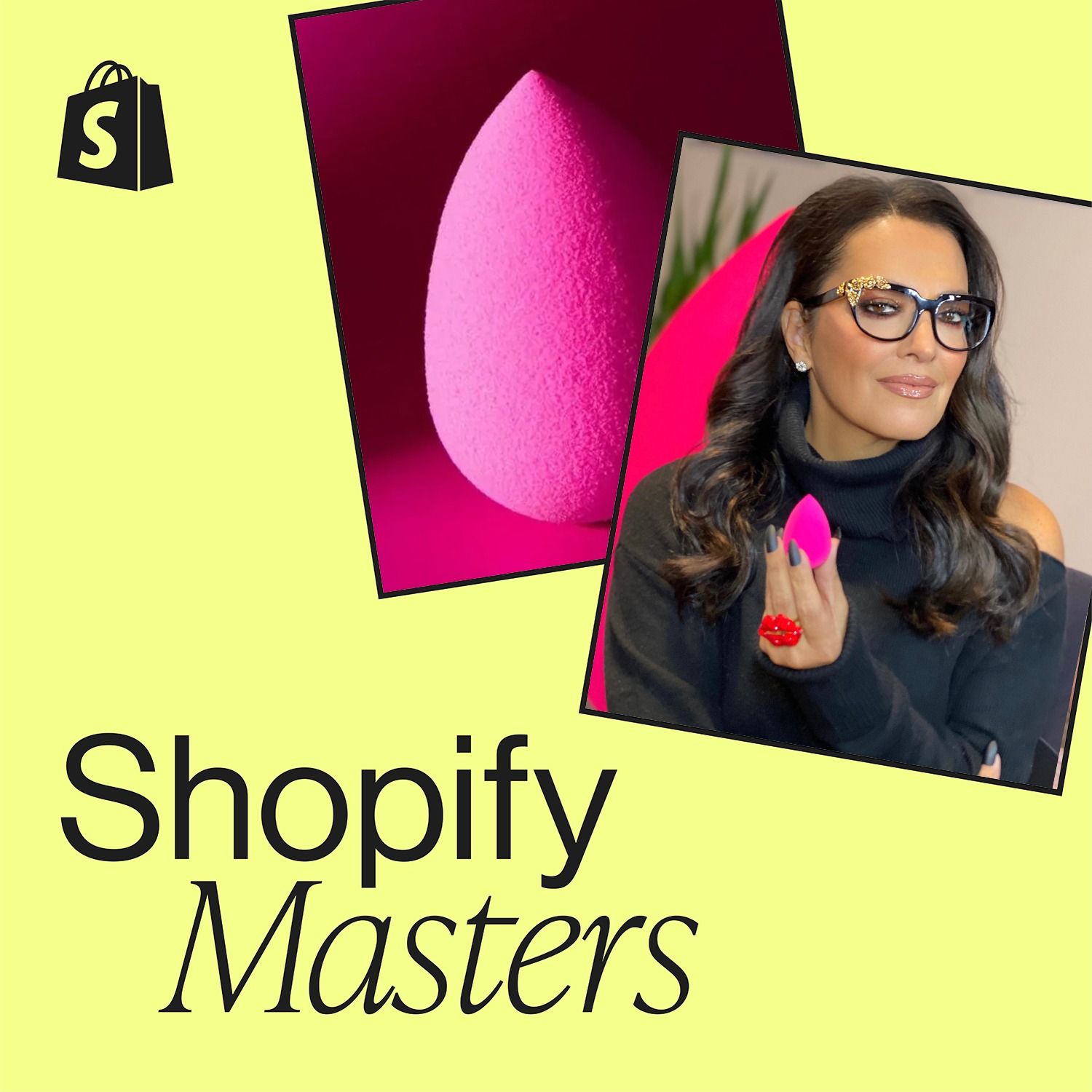
Initially threatened by dupes, Rianne Silva reframed them as a necessary market force. The existence of cheaper alternatives allowed Beauty Blender to constantly reinforce its own story of originality, quality, and superior performance, strengthening its premium brand positioning.
Rolex runs an extensive apprenticeship program but doesn't require graduates to work for them. The CEO believes that elevating the skill of the entire Swiss watch industry reinforces the prestige of the category as a whole, which ultimately benefits Rolex. This is a long-term, ecosystem-first talent strategy.

To combat a 'cheap' reputation, online retailer Quince strategically sells limited-run, high-end items like caviar and gold bars unrelated to its core fashion line. These 'halo products' create 'luxury by association,' elevating the entire brand's perception in the minds of consumers, a tactic also used by Costco.

Rolex's CEO believes the Apple Watch was beneficial, not detrimental. It accustomed a new generation to wearing something on their wrist, effectively expanding the total addressable market for all watches, including luxury ones. This shows how a competitor's product can act as a catalyst for market growth.
Luxury watchmaker Vacheron Constantin diversifies its product lines across different aesthetics (classic, sports, jewelry, complications) to hedge against market volatility. This strategy ensures that when demand for one category, like steel sports watches, softens, momentum can be carried by another, protecting the brand's overall growth.