Get your free personalized podcast brief
We scan new podcasts and send you the top 5 insights daily.
A 15-year follow-up of a SWOG clinical trial shows a significant portion of follicular lymphoma patients treated with R-CHOP remain disease-free. This challenges the long-held belief that the disease is incurable, shifting the paradigm towards a curative intent.

Related Insights
The phase 3 EPCOR FL-1 trial showed that adding epcoritamab to the lenalidomide/rituximab (R-squared) backbone profoundly improved progression-free survival in relapsed follicular lymphoma. Presented as the most important FL abstract at ASH, this result is expected to establish a new standard of care in this setting.
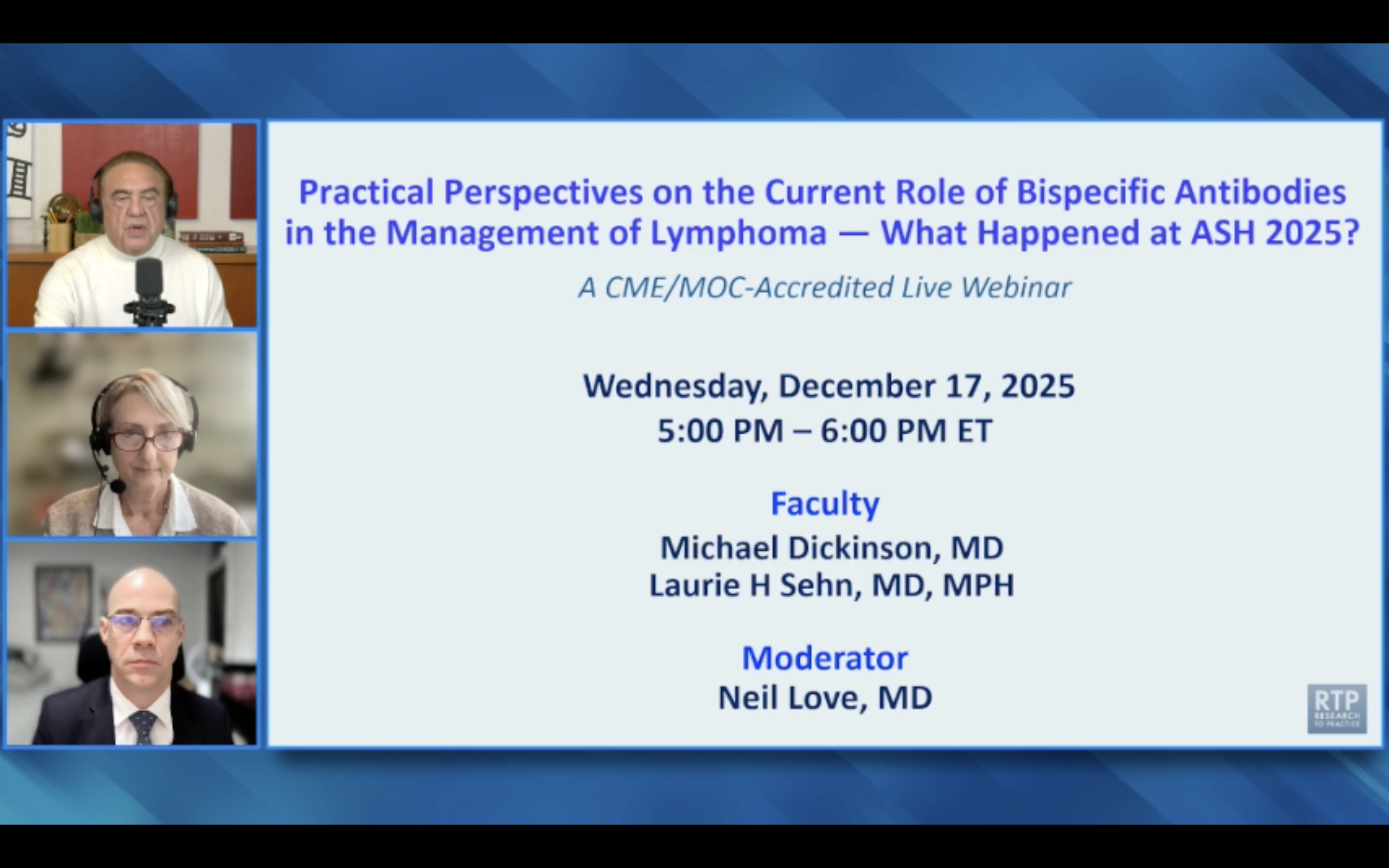
For third-line follicular lymphoma, where both CAR-T and bispecifics are approved, experts are leaning towards CAR-T. The long-term follow-up data for CAR-T suggests a potential for cure, making it a more compelling option for eligible patients despite logistical challenges.
A novel trial design used mosinutuzumab monotherapy first in frontline follicular lymphoma, adding lenalidomide only for patients without a complete response. This adaptive approach successfully spared about two-thirds of patients from the added toxicities of lenalidomide while still achieving very high overall efficacy.
The modern idea of performing surgery for bulky nodal disease after a strong response to EV-pembro has historical precedent. A 1999 study showed that 33% of patients who had a complete response to MVAC chemotherapy were alive at five years after surgery. This suggests more potent modern therapies could yield even better curative outcomes.

Long-term follow-up from the Epcor-NHL1 trial reveals that epcoritamab monotherapy can produce highly durable complete responses in relapsed/refractory large B-cell lymphoma. With some patients remaining in remission for over 54 months, the therapy is positioned as a potential curative option in this setting.
In follicular lymphoma, the treatment goal is durable remission with manageable toxicity, not necessarily a cure. Therefore, clinicians frequently prefer using a bispecific antibody first, reserving the more complex and toxic CAR-T cell therapy for transformed disease or after a bispecific fails.
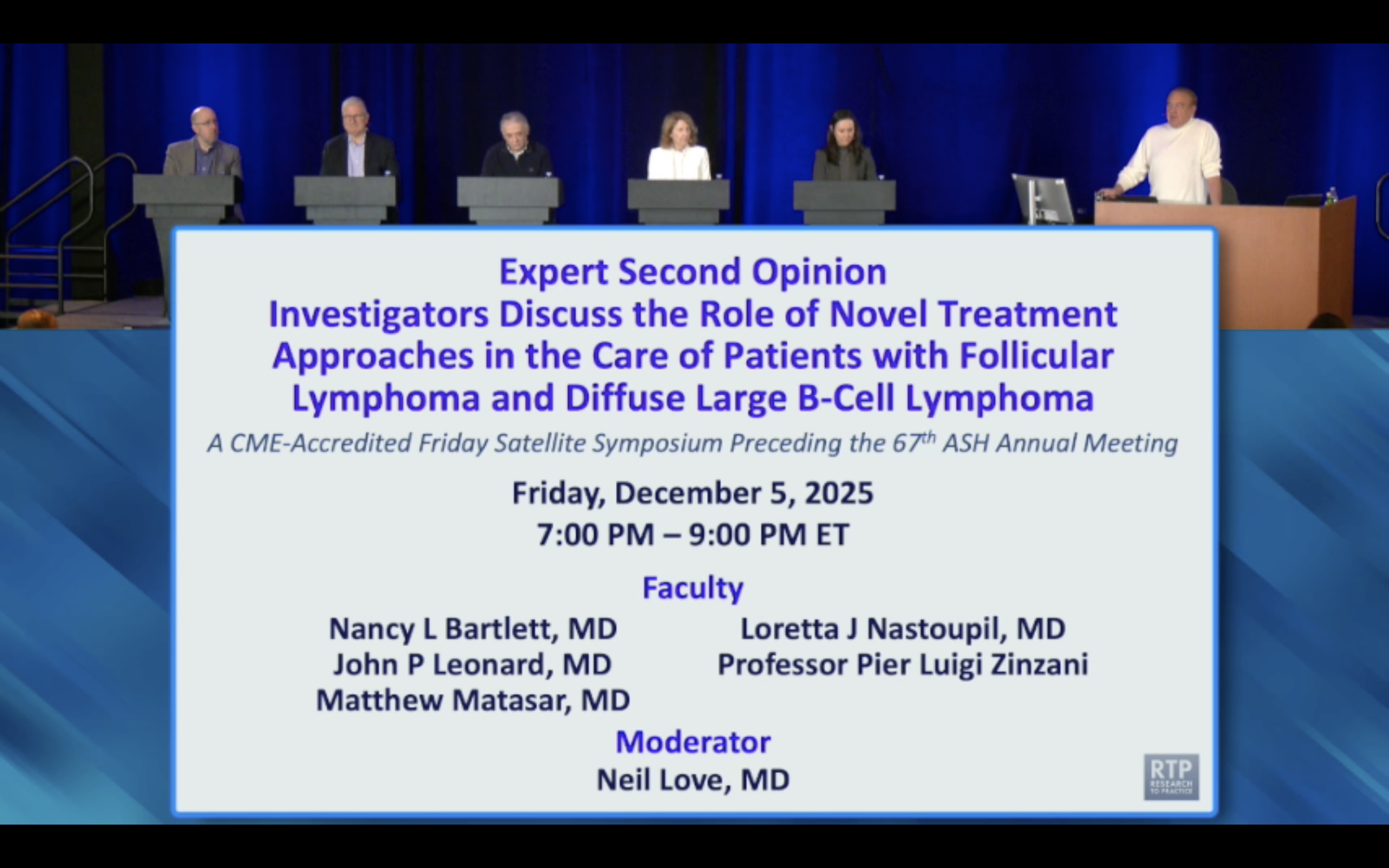
Five-year follow-up from the CARTITUDE-1 trial suggests a potential cure for multiple myeloma is achievable. With roughly one-third of heavily pretreated patients remaining in remission at five years—and some confirmed as MRD-negative—the concept of a cure is now part of the operational discussion among specialists, a monumental shift for a disease long considered incurable.
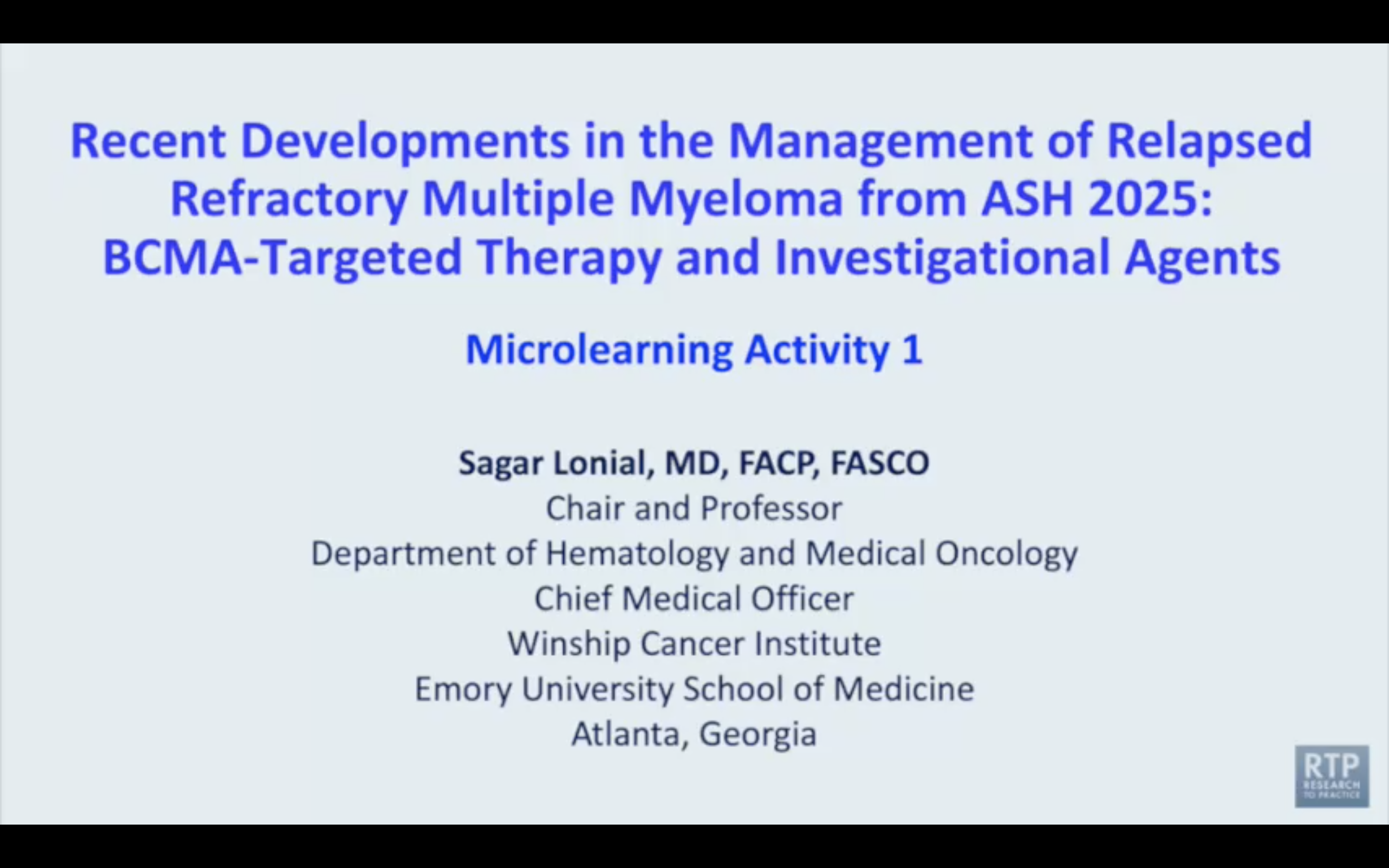
The term "functional cure" is misleading and hinders progress. With one-third of heavily pretreated patients in the Cartitude 1 trial remaining disease-free for five years without maintenance, the data supports the classical definition of a "cure" used in other cancers. This semantic shift is crucial for advancing the field.

The durable, long-term survival seen in about 12-13% of extensive-stage SCLC patients treated with immunotherapy is changing the therapeutic mindset. This "tail on the curve" represents a real-world cohort of long-term survivors, pushing clinicians to think beyond pure palliation and toward an attempt at cure for a subset of patients.

Long-term follow-up from the pivotal epcoritamab trial reveals that 46% of DLBCL patients who achieve a complete remission maintain it at four years. This durability provides strong evidence that bispecific monotherapy, not just CAR-T, can be a curative treatment for a subset of patients.