Get your free personalized podcast brief
We scan new podcasts and send you the top 5 insights daily.
An Anthropic executive's departure from Figma's board highlights a growing tension. As foundational model companies build application-specific tools (like a design tool), they create direct competition with their own ecosystem partners, forcing board members to choose sides to avoid conflicts of interest.

Related Insights
By building a feature that competes directly with startups using its own API, Anthropic demonstrates the "platform risk" inherent in the AI ecosystem. Like Amazon with its Basics line, foundation model companies can observe usage, identify valuable applications, and integrate them, creating a kill-zone for dependent companies.

The AI space sees high-profile departures where key figures (Elon Musk, Dario Amodei) leave after clashing with leaders like Sam Altman. They then found direct competitors like xAI and Anthropic, reflecting a desire for total control over their own vision for AI's future.

Specialized SaaS companies like Writer and Intercom are moving beyond simply wrapping OpenAI or Anthropic APIs. They are now training their own foundation models to create more defensible, vertically-integrated AI products, signaling a shift away from platform dependency toward bespoke AI stacks.

Companies like Anthropic and OpenAI are shifting from being API providers to building first-party "super apps." This creates a conflict where they might reserve their most powerful models for internal use, giving smaller, distilled versions to API customers, thus undermining the third-party ecosystem they helped create.
Startups are becoming wary of building on OpenAI's platform due to the significant risk of OpenAI launching competing applications (e.g., Sora for video), rendering their products obsolete. This "platform risk" is pushing developers toward neutral providers like Anthropic or open-source models to protect their businesses.
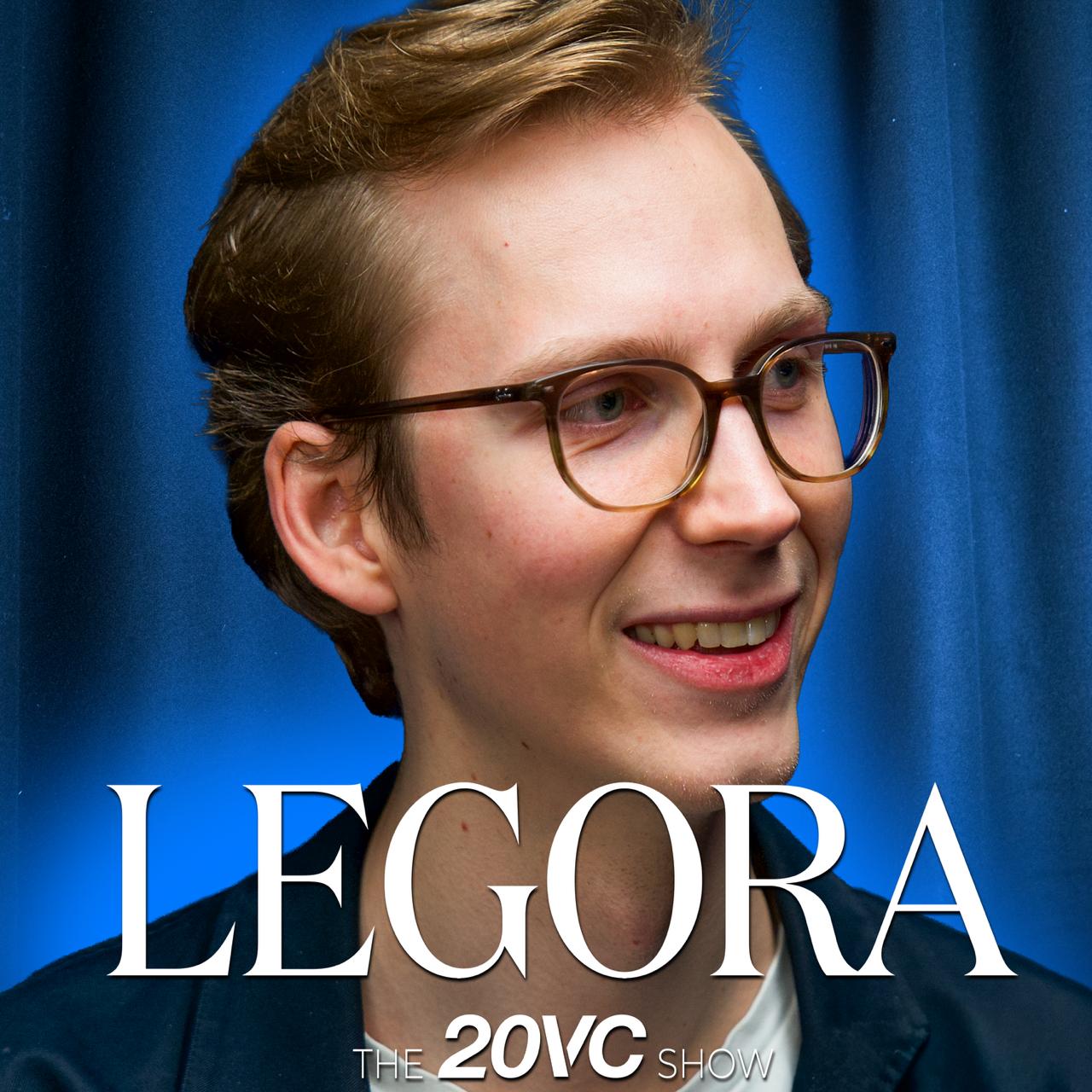
Legora pivoted its core model provider from OpenAI to Anthropic, driven by a strategic belief that Anthropic is aligning more with enterprise-grade needs while OpenAI is increasingly targeting the B2C market. This signals a potential bifurcation in the foundation model landscape based on end-market focus.
Startups building on top of AI models, like coding assistant Cursor, are extremely vulnerable. As foundation model companies like Anthropic improve their own native capabilities (e.g., Claude Code), they can quickly capture the market and render specialized tools obsolete.
The battleground for AI startups is constantly shrinking like the map in Fortnite. Foundation models like Anthropic's Claude are aggressively absorbing features, turning what was a standalone product into a native capability overnight. This creates extreme existential risk for application-layer companies.

While AI labs could build competing enterprise apps, the required effort (sales teams, customizations) is massive. For a multi-billion dollar company, the resulting revenue is a rounding error, making it an illogical distraction from their core model-building business.

OpenAI's decision to discontinue its Sora app and refocus is a direct response to competitive pressure from Anthropic. Anthropic has reportedly captured 70% of new enterprise AI spending, forcing OpenAI into a defensive position where it must shed non-core projects to protect its main business.
