Get your free personalized podcast brief
We scan new podcasts and send you the top 5 insights daily.
Legora pivoted its core model provider from OpenAI to Anthropic, driven by a strategic belief that Anthropic is aligning more with enterprise-grade needs while OpenAI is increasingly targeting the B2C market. This signals a potential bifurcation in the foundation model landscape based on end-market focus.

Related Insights
Instead of competing with OpenAI's mass-market ChatGPT, Anthropic focuses on the enterprise market. By prioritizing safety, reliability, and governance, it targets regulated industries like finance, legal, and healthcare, creating a defensible B2B niche as the "enterprise safety and reliability leader."

While OpenAI pursues a broad strategy across consumer, science, and enterprise, Anthropic is hyper-focused on the $2 trillion software development market. This narrow focus on high-value enterprise use cases is allowing it to accelerate revenue significantly faster than its more diversified rival.
![Dylan Patel - Inside the Trillion-Dollar AI Buildout - [Invest Like the Best, EP.442] thumbnail](https://megaphone.imgix.net/podcasts/799253cc-9de9-11f0-8661-ab7b8e3cb4c1/image/d41d3a6f422989dc957ef10da7ad4551.jpg?ixlib=rails-4.3.1&max-w=3000&max-h=3000&fit=crop&auto=format,compress)
A crucial strategic distinction in the AI race is revenue source. Anthropic derives 85% of its revenue from business customers, whereas OpenAI gets 60% from consumers. This B2B focus gives Anthropic a different growth path and market position.

OpenAI integrated the Model-Centric Protocol (MCP) into its agentic APIs instead of building its own. The decision was driven by Anthropic treating MCP as a truly open standard, complete with a cross-company steering committee, which fostered trust and made adoption easy and pragmatic.

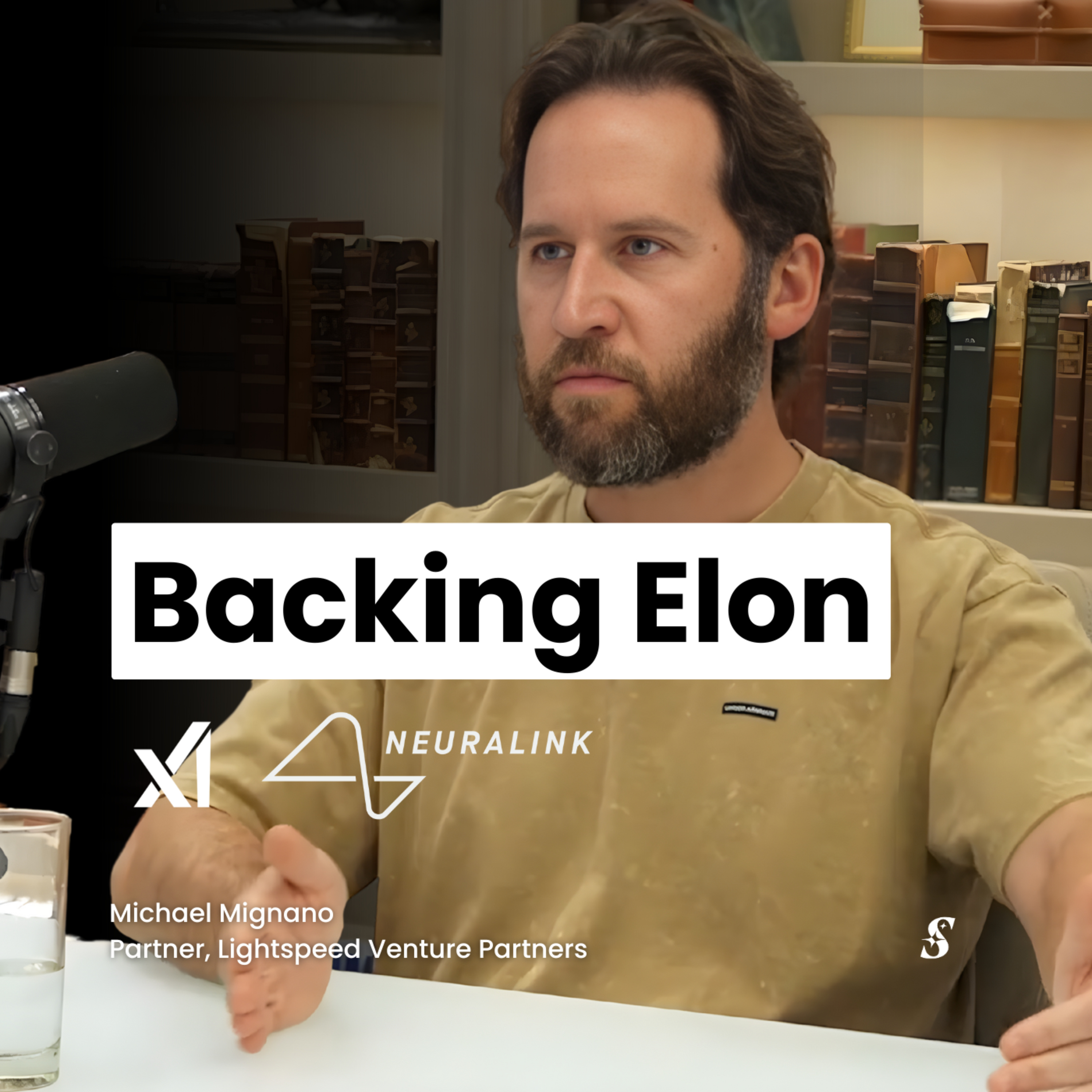
Lightspeed justifies investing in competing LLMs (xAI, Anthropic, Mistral) by viewing them as distinct software platforms targeting different markets (consumer, enterprise, open-source), not as interchangeable competitors. This framing enables a portfolio approach to the foundational AI layer.
Startups are becoming wary of building on OpenAI's platform due to the significant risk of OpenAI launching competing applications (e.g., Sora for video), rendering their products obsolete. This "platform risk" is pushing developers toward neutral providers like Anthropic or open-source models to protect their businesses.
Initially, even OpenAI believed a single, ultimate 'model to rule them all' would emerge. This thinking has completely changed to favor a proliferation of specialized models, creating a healthier, less winner-take-all ecosystem where different models serve different needs.

With model improvements showing diminishing returns and competitors like Google achieving parity, OpenAI is shifting focus to enterprise applications. The strategic battleground is moving from foundational model superiority to practical, valuable productization for businesses.

Brex spending data reveals a key split in LLM adoption. While OpenAI wins on broad enterprise use (e.g., ChatGPT licenses), startups building agentic, production-grade AI features into their products increasingly prefer Anthropic's Claude. This indicates a market perception of Claude's suitability for reliable, customer-facing applications.

While OpenAI battles Google for consumer attention, Anthropic is capturing the lucrative enterprise market. Its strategy focuses on API spend and developer-centric tools, which are more reliable and scalable revenue generators than consumer chatbot subscriptions facing increasing free competition.