Get your free personalized podcast brief
We scan new podcasts and send you the top 5 insights daily.
Before the influencer era, national commercials could be incredibly lucrative due to residuals. Laura Clery explains how a one-day shoot for an M&M's commercial, with a simple line, ultimately paid her over $300,000. The bulk of the income came from subsequent payments each time the ad was aired in a new international market.

Related Insights
Elite YouTube creators aren't just passive recipients of ad revenue. They actively buy their own ad inventory from YouTube and then resell it directly to brands, packaging it like traditional TV with guaranteed "adjacency" to specific content. This strategy dramatically increases monetization and business valuation.
![Media M&A - [Business Breakdowns, EP.230] thumbnail](https://megaphone.imgix.net/podcasts/8404be2a-a3c6-11f0-9d01-7b00b28a9d50/image/9a48597af1149c3b024e8d2f7327aa89.jpg?ixlib=rails-4.3.1&max-w=3000&max-h=3000&fit=crop&auto=format,compress)
A $500,000 ad placement with Mr. Beast generated only about $400,000 in direct revenue, making it initially unprofitable. However, the immense brand credibility gained from the association enabled so many future deals that the investment became profitable through these second-order effects.

Chris Koerner's team members who find content ideas get a base salary, but if they source a story from outside normal channels, they earn 10% of that video's YouTube revenue forever. This directly ties their compensation to finding evergreen, viral hits.

The era of massive payouts for comedy specials is over for most comedians. Now, a special's primary function is marketing. It serves as an advertisement to drive ticket sales for the much more lucrative live tour, fundamentally changing its economic purpose in a comedian's career.

At the height of Facebook's monetization for longer videos, comedian Laura Clery focused on creating weekly three-minute sketches. One viral video alone earned nearly $400,000 over time, demonstrating the massive financial upside of platform-specific content strategies before the market shifted to short-form reels.
The future of creator monetization includes 'commercetainment'—live shows where the primary goal is entertainment but which also seamlessly integrate product sales. Skilled entertainers can make this feel authentic, creating a modern, interactive version of QVC that builds community and drives direct revenue.

Instead of running their own ads, an influencer can propose a deal to create ad content for a partner brand. The brand funds the ad spend, and the influencer accepts a reduced commission (e.g., 20% instead of 40%) on sales. This generates risk-free revenue and free brand exposure for the influencer.

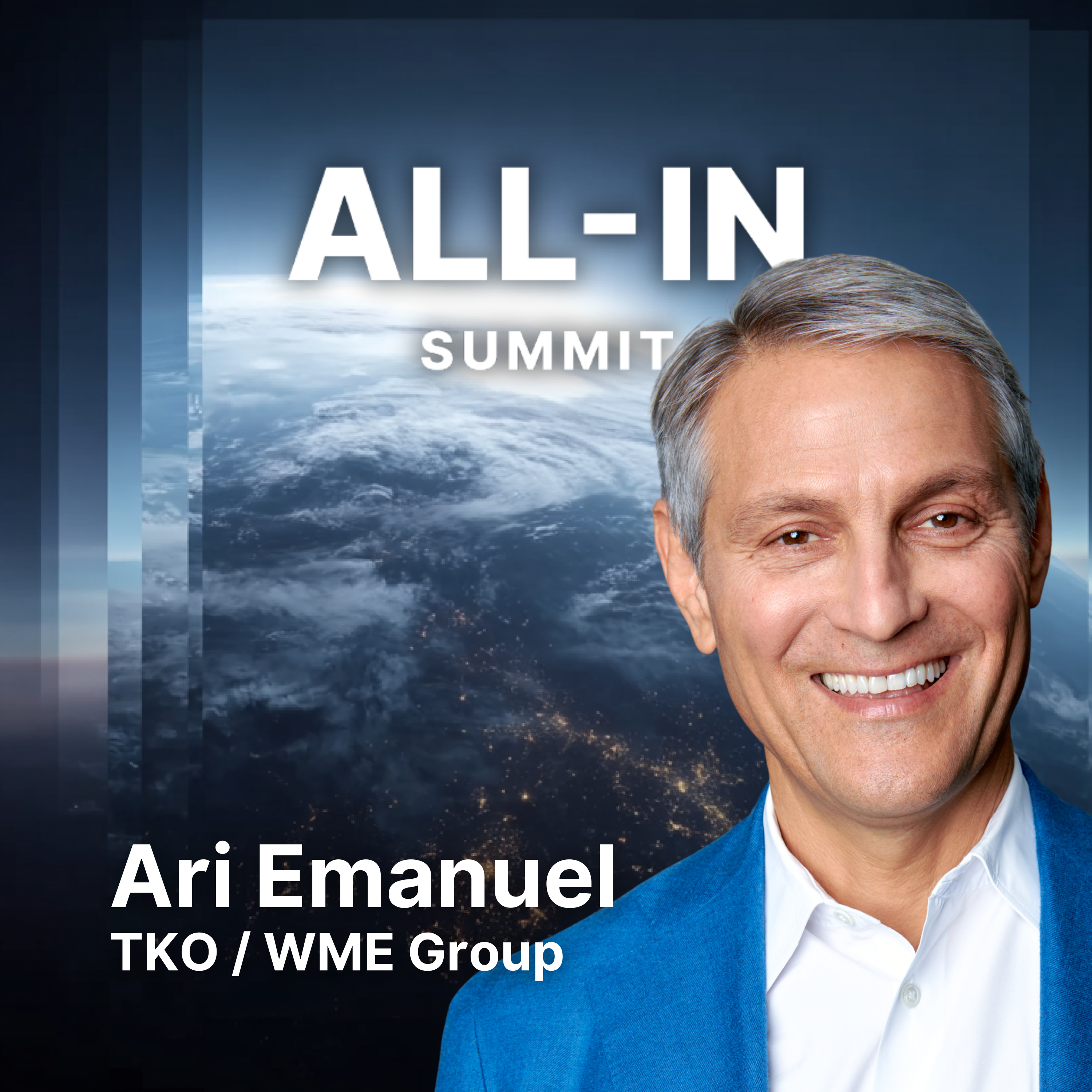
Ari Emanuel outlines a clear monetization evolution for independent creators. They begin with simple ad placements, graduate to larger integrated sponsor deals, and ultimately achieve the highest value by owning equity in their own product lines. This final step shifts them from being a marketing expense to an asset with a revenue multiple.
Traditional barriers to entry like retail distribution and expensive TV ads have been dismantled by social media and e-commerce. Small brands can now achieve massive sales and build nine-figure businesses without ever entering a big-box store, leveraging platforms like TikTok and Shopify.
With only 10,000 subscribers, plumber Roger Wakefield secured a $400,000 sponsorship deal. This proves that for creators in specialized industries, a highly-engaged, niche audience is far more valuable to relevant brands than a massive, generalist following, justifying premium rates.
