Get your free personalized podcast brief
We scan new podcasts and send you the top 5 insights daily.
The burger chain has loaned over $900,000 to employees interest-free with only $5,000 in defaults. The program, which started organically to help an employee fix his truck, fosters immense loyalty and provides crucial stability for their workforce, proving to be good for both people and business.

Related Insights
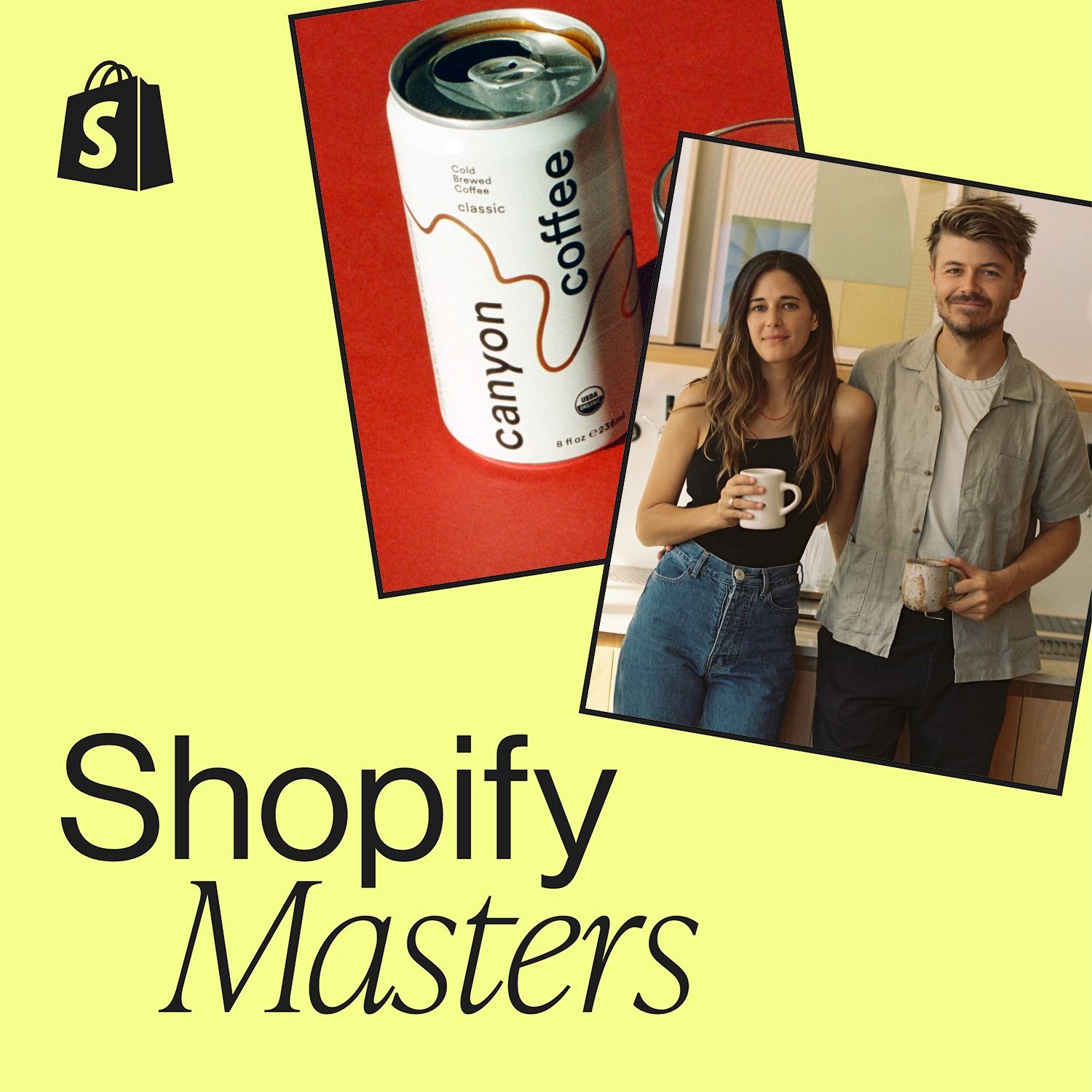
Canyon Coffee's founder advocates a strict financial principle: salaries must be funded by revenue, not loans or investment. New hires are "earned" when business growth can support them, often starting fractionally, to ensure sustainable team expansion and avoid excessive cash burn.
The company's profit-sharing checks are calculated based solely on an employee's longevity. This unique model rewards loyalty and contribution over hierarchical position, meaning a long-tenured grill cook receives a larger bonus than a newly hired executive.
P. Terry's uses the "Maggie Rule" to vet decisions, asking: "Does this disrespect Maggie?"—a 21-year veteran grill cook. This simple heuristic ensures leadership actions, like office perks, always honor and support their most tenured front-line staff, preventing a disconnect between corporate and store employees.
Grab provides financing to its drivers for items like smartphone upgrades. This is a strategic tool for supply-side retention, as drivers with loans stay on the platform 1.5x longer, work more, and double their earnings, deepening their dependency on Grab.
Instead of a traditional sale or ESOP, P. Terry's is transitioning to an Employee Ownership Trust (EOT). This rare structure legally binds future management to the company's founding purpose—like quality and community support—ensuring the culture is protected in perpetuity, not just maximizing share value.
The founders of the P. Terry's burger chain rejected a $70-100M acquisition offer, valuing their employee-centric culture more than the windfall. They feared a new owner would prioritize profits over people, compromising their legacy of community giving and employee support.
A manager's personal investment in an employee's well-being, like loaning money for an apartment, can create profound loyalty. It demonstrates belief in the person beyond their immediate performance, which is more motivating than any professional incentive and shows that business is ultimately about people.

Les Schwab wasn't in the tire business; he was in the ownership business. He gave store managers 50% of the profits, requiring them to reinvest their share until they earned their stake. This turned employees into obsessed owners who consistently out-serviced and out-competed rivals.

A manager's most impactful moment can be demonstrating belief in an employee before they've earned it. MongoDB's Cedric Pech recounts how his first manager gave him a personal loan when he was about to quit. This gesture, showing more belief in him than he had in himself, created unbreakable loyalty and motivation.
Though he didn't strictly need the money, Matt O'Hayer took a $100,000 loan from Whole Foods' local producer program. He strategically did this because he knew that becoming a borrower would create a deeper, more supportive partnership with his most critical retail customer, turning a simple transaction into a vested relationship.
