Get your free personalized podcast brief
We scan new podcasts and send you the top 5 insights daily.
Grab provides financing to its drivers for items like smartphone upgrades. This is a strategic tool for supply-side retention, as drivers with loans stay on the platform 1.5x longer, work more, and double their earnings, deepening their dependency on Grab.
Related Insights
Uber's competitive advantage over Lyft is reinforced by Uber Eats. By offering both ride-sharing and food delivery, it creates a stickier proposition for drivers who can maximize earnings. This flexibility ensures a more robust and reliable supply for Uber, strengthening its overall network effect.

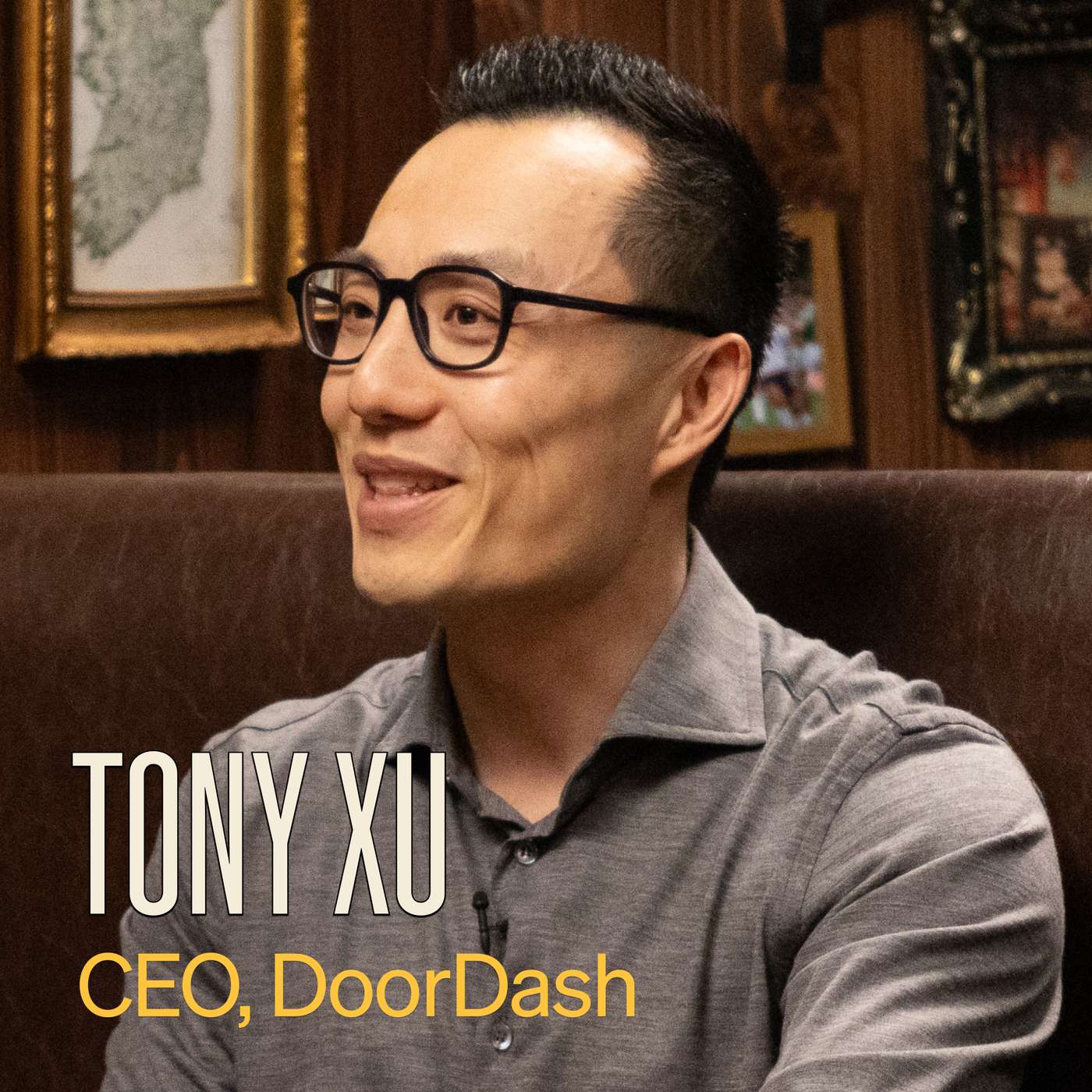
Lacking capital compared to rivals, DoorDash was forced to build a product with superior organic retention. This constraint meant they had to innovate on the core service itself, rather than rely on discounts, creating an "unfair advantage" once they could raise money.
While financials are a small part of Grab's revenue, they are crucial for user retention. GrabPay users exhibit 1.5 times higher one-year retention rates than cash users and spend more across other services like rides and deliveries, reinforcing the entire super app ecosystem.
Inspired by Amazon Prime, Uber's membership program is designed to be unprofitable on a member in their first year. They trade short-term margin for higher engagement and a more profitable customer over their lifetime. This requires braving a "valley of despair" that public markets might initially misunderstand.
![Dara Khosrowshahi - Uber's Bet on AVs, AI, and Building a Super-App - [Invest Like the Best, EP.476] thumbnail](https://megaphone.imgix.net/podcasts/ef669774-cccd-11ed-889b-c36caad6646f/image/158efdddfb983d2678b3530d484e8aa2.jpg?ixlib=rails-4.3.1&max-w=3000&max-h=3000&fit=crop&auto=format,compress)
Grab leverages its rich transaction data—like a merchant's daily cash flow or a driver's income—to create proprietary credit scores. This allows it to safely underwrite loans for unbanked individuals and small businesses, a segment traditional banks avoid due to a lack of data.
Lyft maintains a 29-point advantage over competitors in driver preference. A key factor is their guarantee that drivers will never make less than 70% of what riders pay weekly, after insurance. This fosters loyalty and pride, acting as a competitive moat in the gig economy.

Uber's partnership with Expedia is less about entering the travel market and more about strengthening its Uber One membership. By offering significant cash back and discounts on hotels exclusively to members, Uber aims to increase the value of its subscription, driving member growth and retention.

Branch enables platforms like Uber to offer instant payouts. This is a critical feature because daily cash flow (e.g., for gas) directly impacts a gig worker's ability to earn. Platforms offering instant pay can retain workers 60% longer than those with traditional bi-weekly payroll cycles.

Grab achieved a massive 25-point operating margin swing by focusing on algorithmic efficiency. Instead of simply cutting subsidies, they improved their AI dispatch to reduce driver idle time. This increased driver earnings organically, lessening the need for costly incentives and boosting platform profitability.
To handle cash transactions, Grab requires drivers to pre-fund a digital wallet. When a driver collects cash from a rider, Grab instantly deducts its commission from that wallet. This innovative system bridges the physical-to-digital payment gap in cash-heavy economies.