Get your free personalized podcast brief
We scan new podcasts and send you the top 5 insights daily.
A contrarian take suggests that for some consumer products targeting specific cohorts, unlearnable traits are critical for deeply understanding user needs rooted in Maslow's hierarchy. This goes beyond diversity, arguing for a biological or experiential product-person fit.

Related Insights
Nike hired a former coach for a technical materials role, believing his deep understanding of athletes' needs was more critical than a chemistry degree, which could be learned on the job. This approach highlights prioritizing user empathy in hiring for product-centric roles.

Product development is not a neutral activity. Your personal values, viewpoints, and biases are inherently built into the products you create. This makes having teams representative of the user base critical for building ethical and accessible products.

The most effective user segmentation is based on underlying motivations. Identifying both functional ("inspire me with new music") and emotional ("help me feel less lonely") drivers is the crucial first step to engineering meaningful product delight that resonates deeply with users.
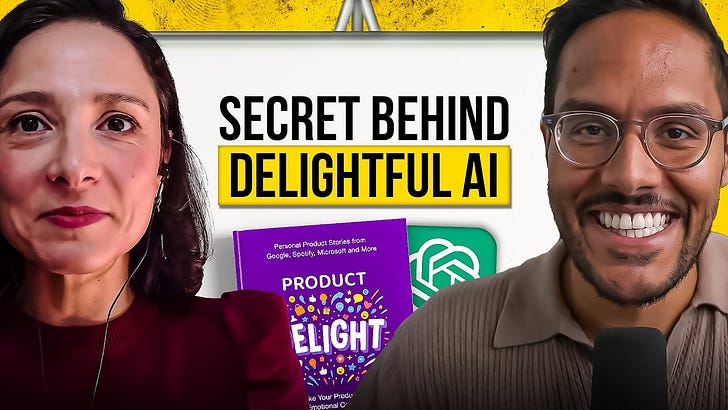
Instead of relying solely on demographic or behavioral data, use motivational segmentation to understand *why* users choose your product. Grouping users by their core emotional drivers (e.g., to feel productive, to feel connected) uncovers deeper needs and informs emotionally resonant features.

In a collaborative field like product, being personable and easy to work with is more valuable than accumulating qualifications. Senior leaders who are more 'human' are more effective. This likeability factor is a strategic asset that builds trust and fosters better collaboration, directly impacting product success.

For problems that affect diverse communities, like housing and climate change, a diverse team is essential for product success. It ensures critical user insights aren't missed and that solutions genuinely reflect the needs of the people they impact, making it a core product requirement.

The speaker learned to hire for innate personality traits like coachability and work ethic, which are nearly impossible to teach. Skills, on the other hand, can be developed through training. This reverses the common hiring approach of prioritizing a candidate's existing skills and experience.

Great product managers are defined by inherent qualities that are difficult to teach. Focus hiring on proactivity (a bias for action), curiosity (a desire to learn and challenge assumptions), and resilience (the ability to bounce back from failure). These traits, more than domain knowledge, separate good PMs from great ones.
As AI automates technical design tasks, the uniquely human ability to understand user psychology becomes a critical, defensible differentiator. This deep understanding is necessary for engineering user habits and genuine connection, something AI cannot yet replicate authentically.
Great PMs excel by understanding and influencing human behavior. This "people sense" applies to both discerning customer needs to build the right product and to aligning internal teams to bring that vision to life. Every aspect, from product-market fit to go-to-market strategy, ultimately hinges on understanding people.
