Get your free personalized podcast brief
We scan new podcasts and send you the top 5 insights daily.
Leadership communication isn't just about motivating action (instrumental rhetoric). Its more powerful function is constitutive rhetoric, which creates a sense of "we" by telling an audience who they are, thereby shaping a collective identity from scratch.

Related Insights
The most powerful war rhetoric, historically, does not focus on the act of war itself but on the peace and way of life that the conflict aims to protect. By framing the stakes as the potential loss of culture, democracy, and decency, leaders create a deeper emotional connection, making listeners fear the loss of their world, not just the loss of a battle.
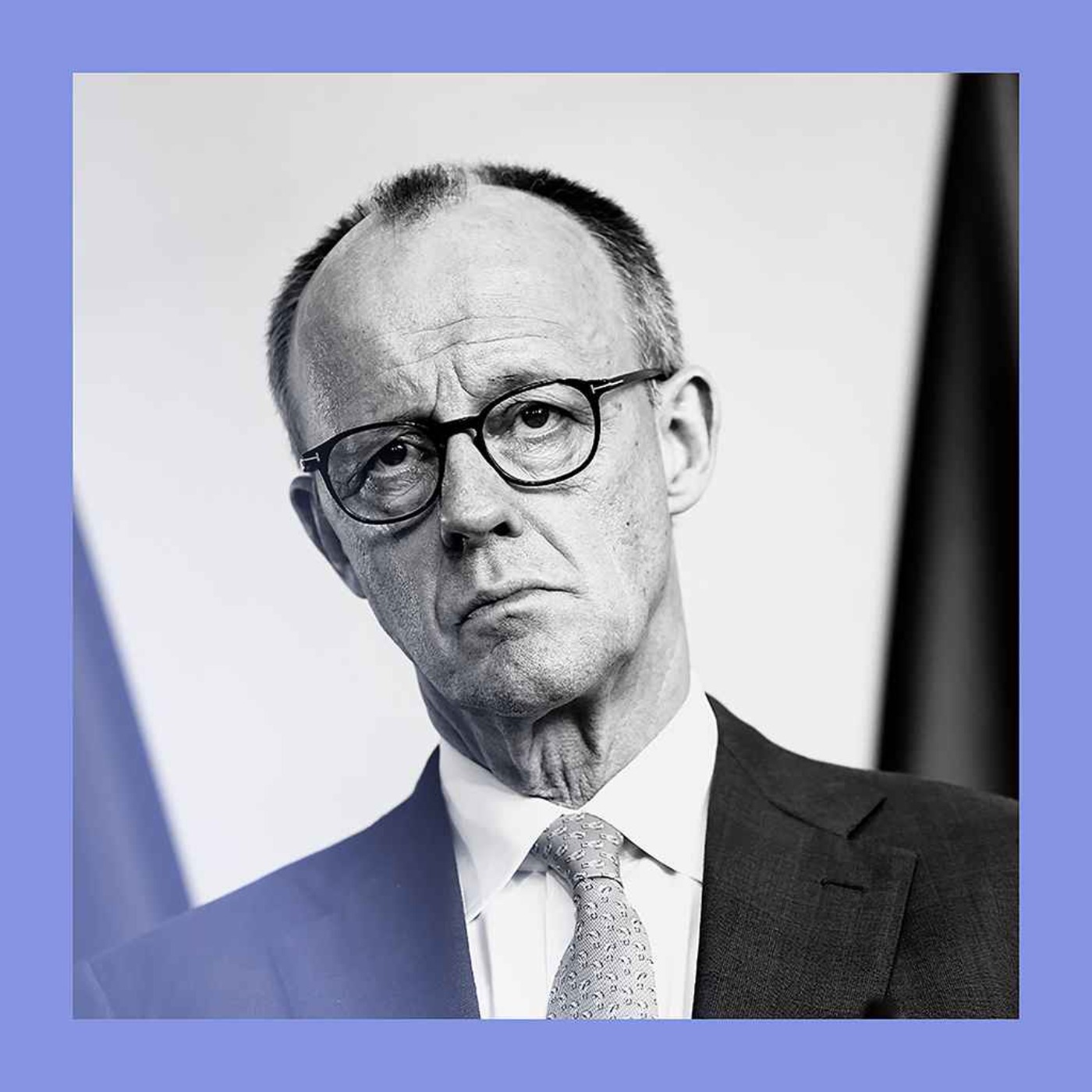
The most crucial communication advice is to 'connect, then lead.' Before guiding an audience to a new understanding or action, you must first establish a connection by tapping into what they care about and making your message relatable. Connection is a prerequisite for leadership and influence, not an optional extra.

Humans are tribal, and adopting a certain belief is often the price of admission to a desired group. This applies to politics, brands, and company culture. Marketers and leaders can leverage this by framing their ideas as a key to identity and belonging within a tribe.

Like Winston Churchill's speeches or an Oasis concert, effective leaders use communication as a lever. They expend a relatively small amount of personal energy to change the morale and motivation of a massive audience, creating a disproportionate impact.

The defining characteristic of a leader isn't a list of traits, but the ability to make followers feel that tomorrow will be better. We follow people who, through their vision and competence, reduce our anxiety about the future and make us feel empowered, regardless of their other shortcomings.

True leadership is not about directing tasks but about forging a shared understanding of 'who we are' and 'what we strive for.' When leaders successfully cultivate a group's social identity, members are empowered to act autonomously and creatively to advance collective goals, driven by a deep sense of common purpose.

A joke told without an audience is just a sentence; it requires a listener's reaction to be complete. Similarly, leadership isn't about delivering a message. It's a co-created experience that requires a connection with the team to "complete the circuit" and generate shared energy.
Alignment is not about forcing everyone to think alike ('sameness'). Instead, a leader's role is to cultivate a shared purpose ('shared meaning'). This allows diverse perspectives to become assets that improve decisions rather than sources of friction.

Leader Jake Wood sees an organization as a story and its people as characters. He argues that leaders must frame team members as protagonists, not extras. When people feel they are consequential heroes in the narrative, they become more inspired, engaged, and motivated to help the team succeed.
Charismatic leaders succeed when their message unlocks a new self-perception in their followers. The focus shouldn't be on the leader's personal traits (which are often polarizing), but on how their narrative makes people feel about themselves and their own potential.
