Get your free personalized podcast brief
We scan new podcasts and send you the top 5 insights daily.
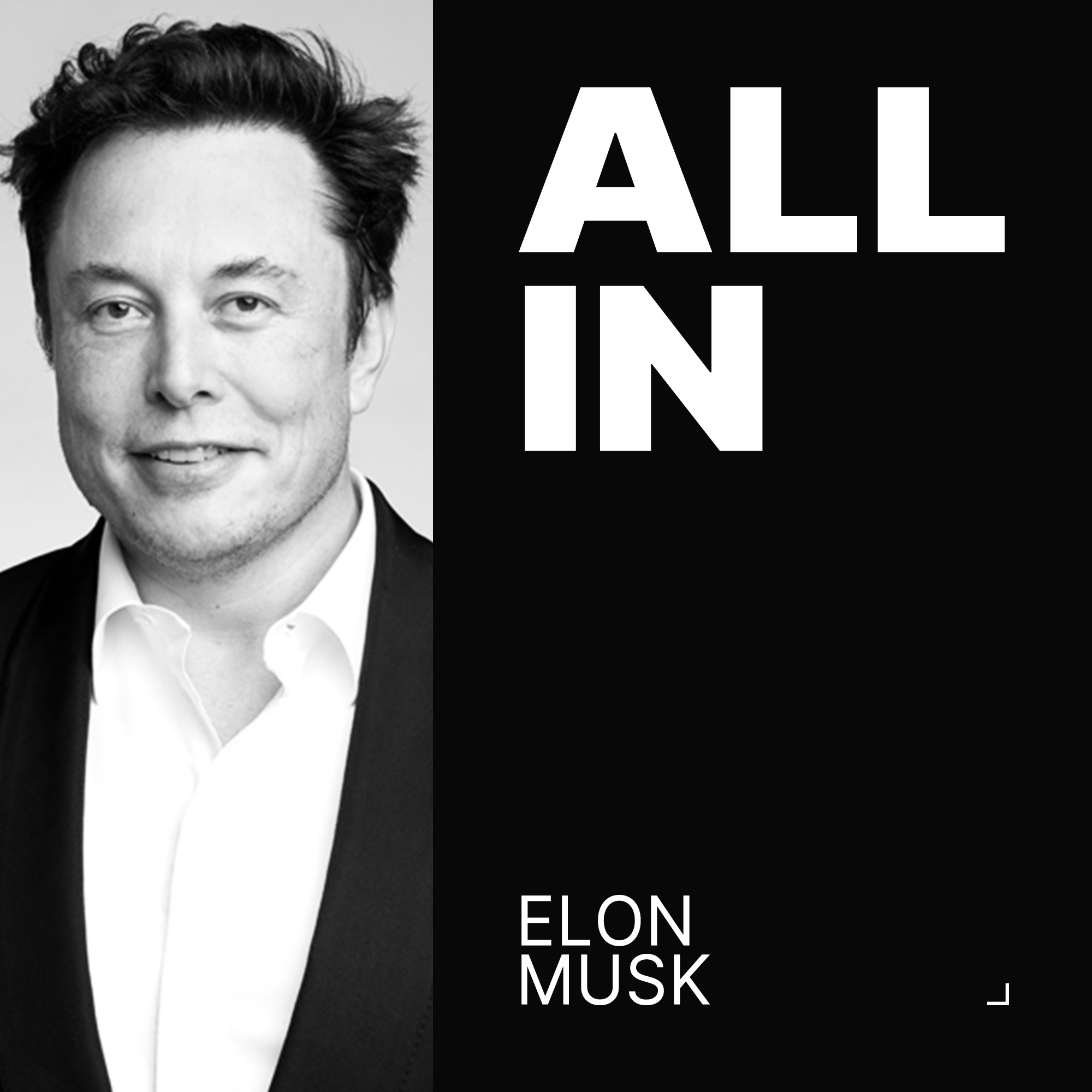
Elon Musk founded OpenAI as a nonprofit to be the philosophical opposite of Google, which he believed had a monopoly on AI and a CEO who wasn't taking AI safety seriously. The goal was to create an open-source counterweight, not a for-profit entity.
Related Insights
OpenAI is proactively distributing funds for AI literacy and economic opportunity to build goodwill. This isn't just philanthropy; it's a calculated public relations effort to gain regulatory approval from states like California and Delaware for its crucial transition to a for-profit entity, countering the narrative of job disruption.
While tech giants could technically replicate Perplexity, their core business models—advertising for Google, e-commerce for Amazon—create a fundamental conflict of interest. An independent player can align purely with the user's best interests, creating a strategic opening that incumbents are structurally unable to fill without cannibalizing their primary revenue streams.

OpenAI embraces the 'platform paradox' by selling API access to startups that compete directly with its own apps like ChatGPT. The strategy is to foster a broad ecosystem, believing that enabling competitors is necessary to avoid losing the platform race entirely.

Tech giants like Google and Meta are positioned to offer their premium AI models for free, leveraging their massive ad-based business models. This strategy aims to cut off OpenAI's primary revenue stream from $20/month subscriptions. For incumbents, subsidizing AI is a strategic play to acquire users and boost market capitalization.
While OpenAI's projected losses dwarf those of past tech giants, the strategic goal is similar to Uber's: spend aggressively to achieve market dominance. If OpenAI becomes the definitive "front door to AI," the enormous upfront investment could be justified by the value of that monopoly position.

While OpenAI has a significant head start, its position is precarious. Swisher suggests it mirrors Netscape, which pioneered the web browser but was ultimately crushed by an incumbent (Microsoft). Google, with its vast data and resources, is better positioned to win the AI war in the long run.

Ben Thompson's analysis suggests OpenAI is in a precarious position. By aggregating massive user demand but avoiding the optimal aggregator business model (advertising), it weakens its defense against Google, which can leverage its immense, ad-funded structural advantages in compute, data, and R&D to overwhelm OpenAI.

OpenAI's non-profit parent retains a 26% stake (worth $130B) in its for-profit arm. This novel structure allows the organization to leverage commercial success to generate massive, long-term funding for its original, non-commercial mission, creating a powerful, self-sustaining philanthropic engine.

While making powerful AI open-source creates risks from rogue actors, it is preferable to centralized control by a single entity. Widespread access acts as a deterrent based on mutually assured destruction, preventing any one group from using AI as a tool for absolute power.

OpenAI's creation wasn't just a tech venture; it was a direct reaction by Elon Musk to a heated debate with Google's founders. They dismissed his concerns about AI dominance by calling him "speciesist," prompting Musk to fund a competitor focused on building AI aligned with human interests, rather than one that might treat humans like pets.
