Get your free personalized podcast brief
We scan new podcasts and send you the top 5 insights daily.
Don't rely on a single, general AI prompt. Create a portfolio of specialized AI agents, each trained and instructed for a distinct function like prospecting, blog writing, or industry analysis, effectively mimicking a real marketing team's structure.

Related Insights
Instead of a single complex prompt, break down marketing tasks into a series of smaller, single-purpose AI skills. For example, a content workflow can be chained: one skill for drafting, one for HTML generation, and another for platform-specific formatting. This modularity improves reliability and scalability.
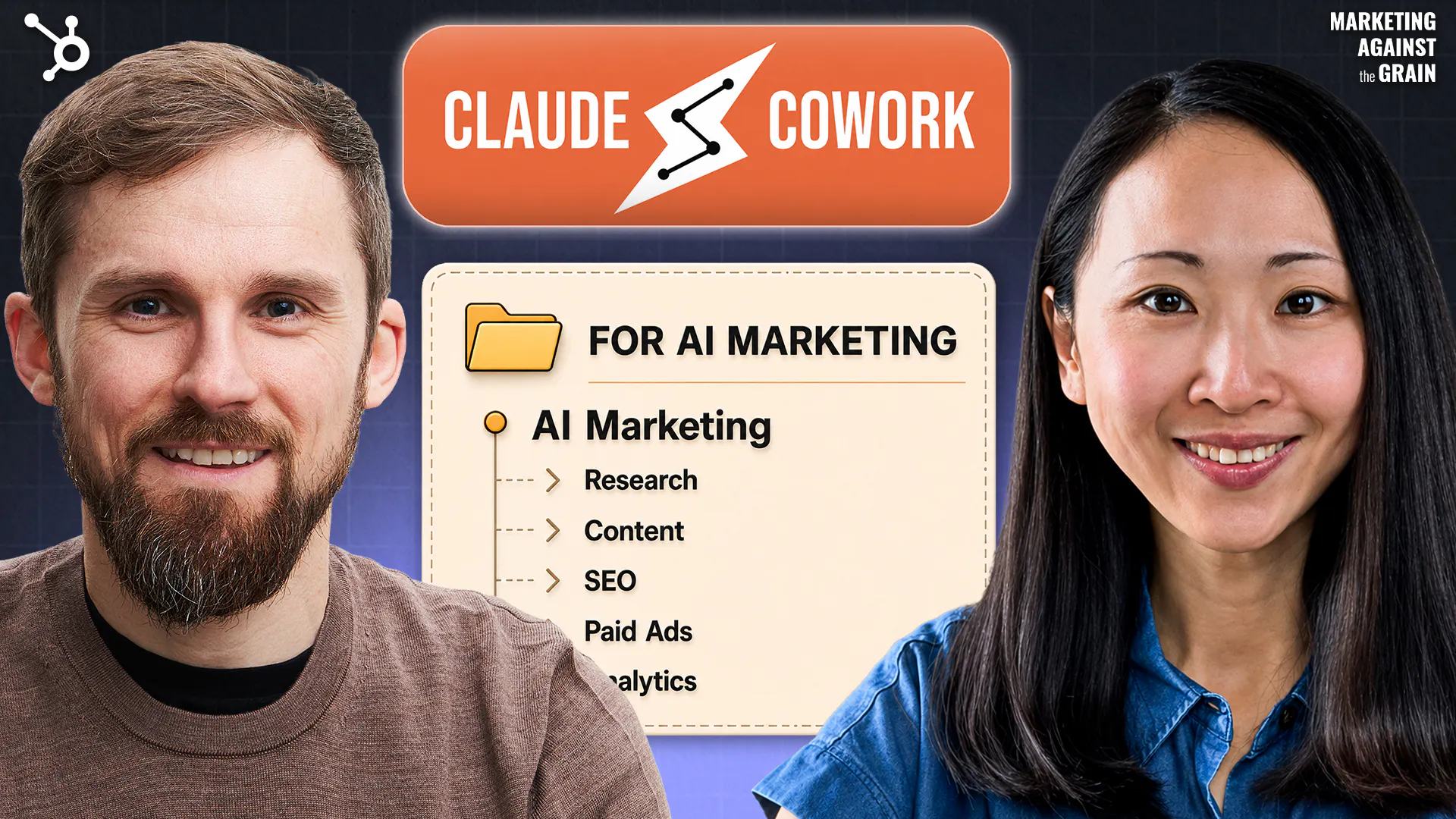
Instead of relying on a single AI platform, marketers should adopt a 'best-of-breed' approach. The speaker recommends using Claude for its strength in writing, Gemini for real-time research on current events, and ChatGPT for its advanced capabilities in analyzing marketing content and tactics.

Building a single, all-purpose AI is like hiring one person for every company role. To maximize accuracy and creativity, build multiple custom GPTs, each trained for a specific function like copywriting or operations, and have them collaborate.
In the current AI landscape, a single 'super-agent' for sales development does not exist. The optimal strategy is to deploy multiple specialized AI SDRs for different tasks like inbound qualification, warm outbound, cold outreach, and lead reactivation. Specialization delivers superior results.

The strategy for a one-person AI-powered business isn't a single 'do-everything' agent. Instead, it's creating a team of specialized agents in different 'channels'—one for lead gen, one for blog content, one for analytics—mirroring a company's departmental structure.

Instead of just using one AI, create a "team" of specialized assistants. Use one AI as your chief architect for trade-offs, another for coding, and a third for product strategy and planning. This approach accelerates both learning and project execution.

For marketing, resist the allure of all-in-one AI platforms. The best results currently come from a specialized stack of hyper-focused tools, each excelling at a single task like image generation or presentation creation. Combine their outputs for superior quality.
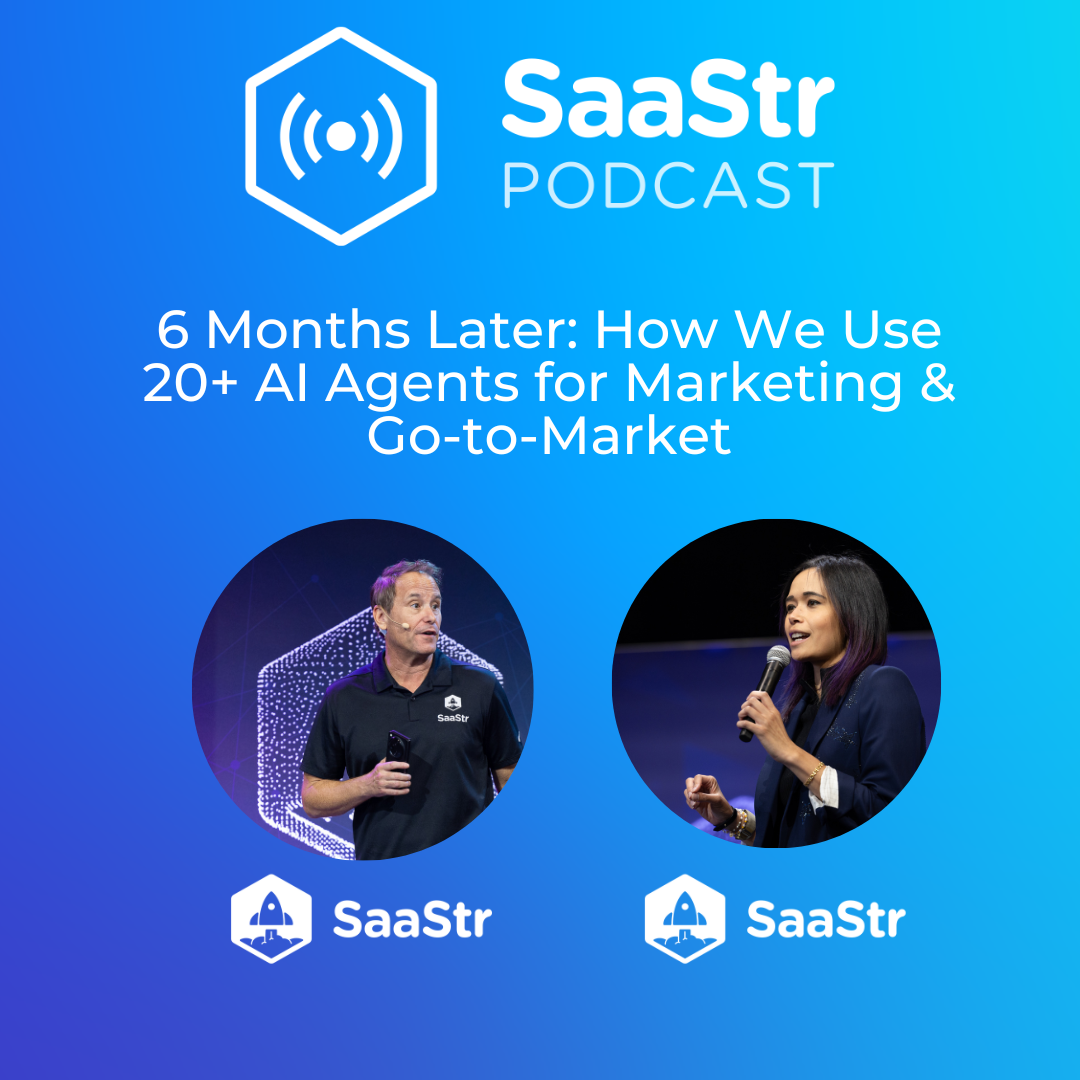
Once you have successfully configured an AI agent with the right tools, models, and prompts, you can simply clone it. This allows you to rapidly create a 'fleet' of AI employees, each of which can be tasked with a different specialized function, such as one for email outreach and another for checking its work.

Just as you use different social media apps for different purposes, you should use various specialized AI tools for specific tasks. Relying on a single tool like ChatGPT for everything results in watered-down solutions. A better approach is to build a toolkit, matching the right AI to the right problem.

Shift from using AI as a tool to building a team of custom GPTs with specific roles (e.g., Marketing Strategist). "Train" them with comprehensive documentation and SOPs, just as you would a new human hire, to achieve specialized, high-quality output.
