Get your free personalized podcast brief
We scan new podcasts and send you the top 5 insights daily.
Instead of the industry-standard per-seat model, Skimmer charged 50¢ per serviced pool. This usage-based metric meant the bill grew with the customer's business, making them happy to pay more as it directly signaled their own success, fostering a partnership rather than a cost-center mentality.
Related Insights
Value-based flat fees should not just reflect the initial time estimate. As a business becomes more efficient and reduces the time required for a task, the flat fee should remain the same. This allows the business, not the client, to reap the financial reward of its accumulated experience.

Clay deliberately chose usage-based over seat-based pricing because their ideal customer is a technical builder (GTM Ops, Growth Marketer), not an individual salesperson. This model aligns value with the systems these builders create for the entire team, rather than charging for every end-user who benefits from the output.

Help Scout shifted from per-seat to per-contact pricing, believing it was a superior value metric. However, customers rejected the change due to the perception of less control over costs, even when the new model would have saved them money. Market inertia and psychology trumped logical value.

Initially, Astronomer priced against the cost of hiring an engineer for analytics tasks. As customers adopted Airflow for critical operational workloads (e.g., regulatory reporting), the pricing conversation shifted. The value is no longer saving a salary, but preventing catastrophic revenue or compliance failures.

While outcome-based pricing is attractive in theory, customers often prefer the certainty of per-user or consumption-based models. According to Nadella, once a customer achieves a successful outcome, they view sharing that upside as a royalty and quickly ask to revert to predictable pricing structures.

With SaaS, a lack of value might not be exposed until renewal. With consumption, customers can "turn the light switch off" instantly, forcing vendors to prove their worth continuously and re-earn the business every day.

When customers balk at high usage bills, shift the conversation from cost control to strategic outcomes. Frame the expense as the price for getting a product to market months earlier, capturing significant market share worth millions.
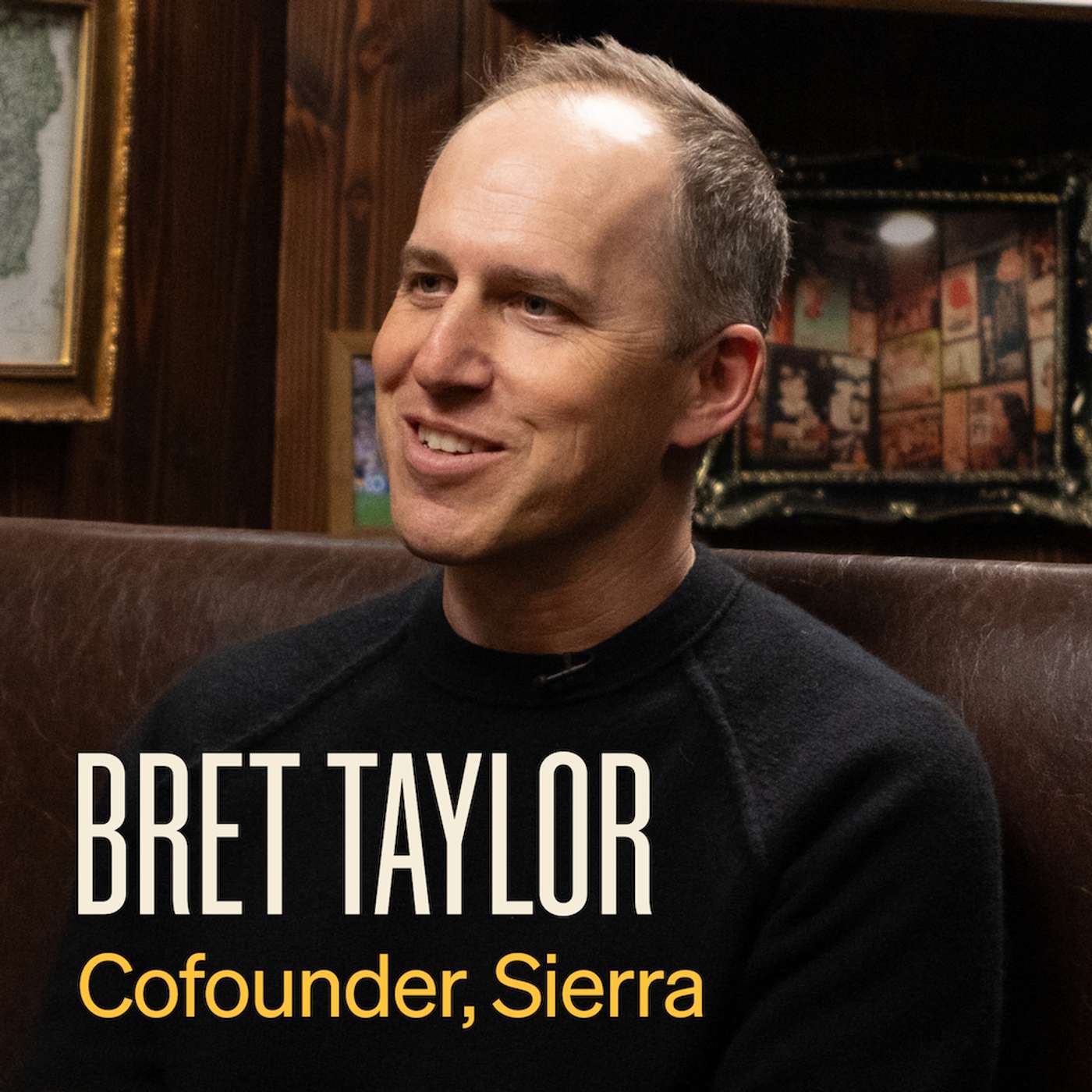
Bret Taylor of Sierra argues outcome-based pricing (charging for a resolved case) is superior to usage-based pricing (charging for tokens). It aligns vendor and customer interests by tying cost directly to business value, not resource consumption. This forces the vendor to improve product effectiveness, not just optimize for usage.
High Touch's co-CEO declares seat-based pricing obsolete. Their model charges based on the number of marketing campaigns powered by their AI platform. This aligns incentives perfectly: if a campaign is working, the customer keeps it on and High Touch gets paid; if not, they turn it off, creating a simple, value-driven pricing structure.

Drawing on Dan Ariely's "Predictably Irrational," per-seat pricing succeeded because it feels psychologically fair. Customers are more willing to pay for perceived effort or scale (more employees = more cost) than for brutally efficient outcomes, as illustrated by the locksmith paradox.
