Get your free personalized podcast brief
We scan new podcasts and send you the top 5 insights daily.
Help Scout shifted from per-seat to per-contact pricing, believing it was a superior value metric. However, customers rejected the change due to the perception of less control over costs, even when the new model would have saved them money. Market inertia and psychology trumped logical value.

Related Insights
Teams often resist business model changes, claiming "our customers would never go for that." This is typically an internal fear, not a market reality. Customers are broadly accustomed to new models like subscriptions; the real barrier is overcoming team inertia.

Atlassian's CEO argues against the death of per-seat pricing. He states that customers dislike the unpredictability of consumption models, and value-based models are too hard to measure accurately. This practical friction ensures simpler, predictable pricing will persist.

Initially, Shopify charged a percentage per sale. This attracted low-volume hobbyists but repelled serious merchants who would face high fees. This failure was a powerful signal, forcing a pivot to a subscription model that better aligned with the needs of their true target market.

Usage-based pricing for AI faces strong customer resistance. Unlike cloud storage where usage is directly controlled, AI credit consumption can be driven by new vendor-pushed features. This lack of control and predictability leads to bill shock, making customers prefer the stability of per-seat models.

Customers approved your price when they purchased. If they later cancel citing cost, it means the product failed to deliver the value they expected for that price. The real problem to solve is the value gap, not the price itself.

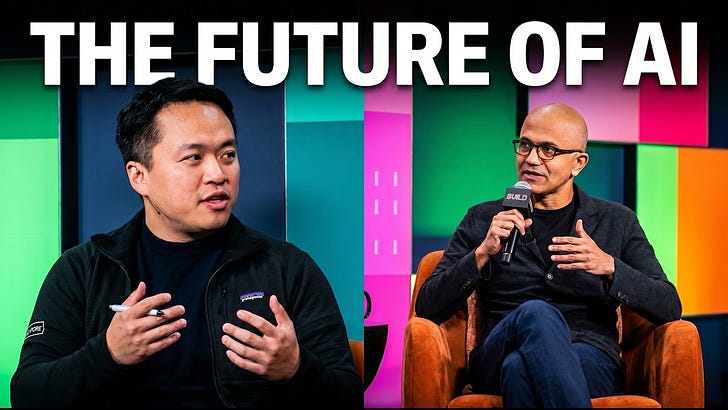
While outcome-based pricing is attractive in theory, customers often prefer the certainty of per-user or consumption-based models. According to Nadella, once a customer achieves a successful outcome, they view sharing that upside as a royalty and quickly ask to revert to predictable pricing structures.
AI SaaS companies have variable, usage-based costs, but customers demand predictable flat fees for procurement. Product Fruits found charging per usage failed. The solution is to accept the uncertainty, create flat-fee plans, and absorb the risk of variable backend costs to close deals.

Enterprise buyers are hesitant to adopt new AI tools due to unclear, consumption-based pricing from vendors like ServiceNow. Lacking transparency on how 'meters' work or what future usage will cost, customers fear 'locked-in cost increases' and a new form of vendor lock-in, which is slowing down sales cycles.

High Touch's co-CEO declares seat-based pricing obsolete. Their model charges based on the number of marketing campaigns powered by their AI platform. This aligns incentives perfectly: if a campaign is working, the customer keeps it on and High Touch gets paid; if not, they turn it off, creating a simple, value-driven pricing structure.

Drawing on Dan Ariely's "Predictably Irrational," per-seat pricing succeeded because it feels psychologically fair. Customers are more willing to pay for perceived effort or scale (more employees = more cost) than for brutally efficient outcomes, as illustrated by the locksmith paradox.