Get your free personalized podcast brief
We scan new podcasts and send you the top 5 insights daily.
Eli Lilly's Verve 102 gene editing treatment went viral on social media, with longevity enthusiasts touting it as a one-shot end to heart disease. In reality, it's very early Phase 1 data from a small trial in a specific patient population with a genetic form of high cholesterol. This highlights a growing gap between scientific communication and public perception.

Related Insights
Edelman argues gene editing is still slightly overhyped if its sole purpose is to replace an injectable drug, as safer alternatives may exist. He sees underhyped gene therapy, previously sidelined by safety concerns, as poised for a comeback due to its enormous power and potential for major breakthroughs.
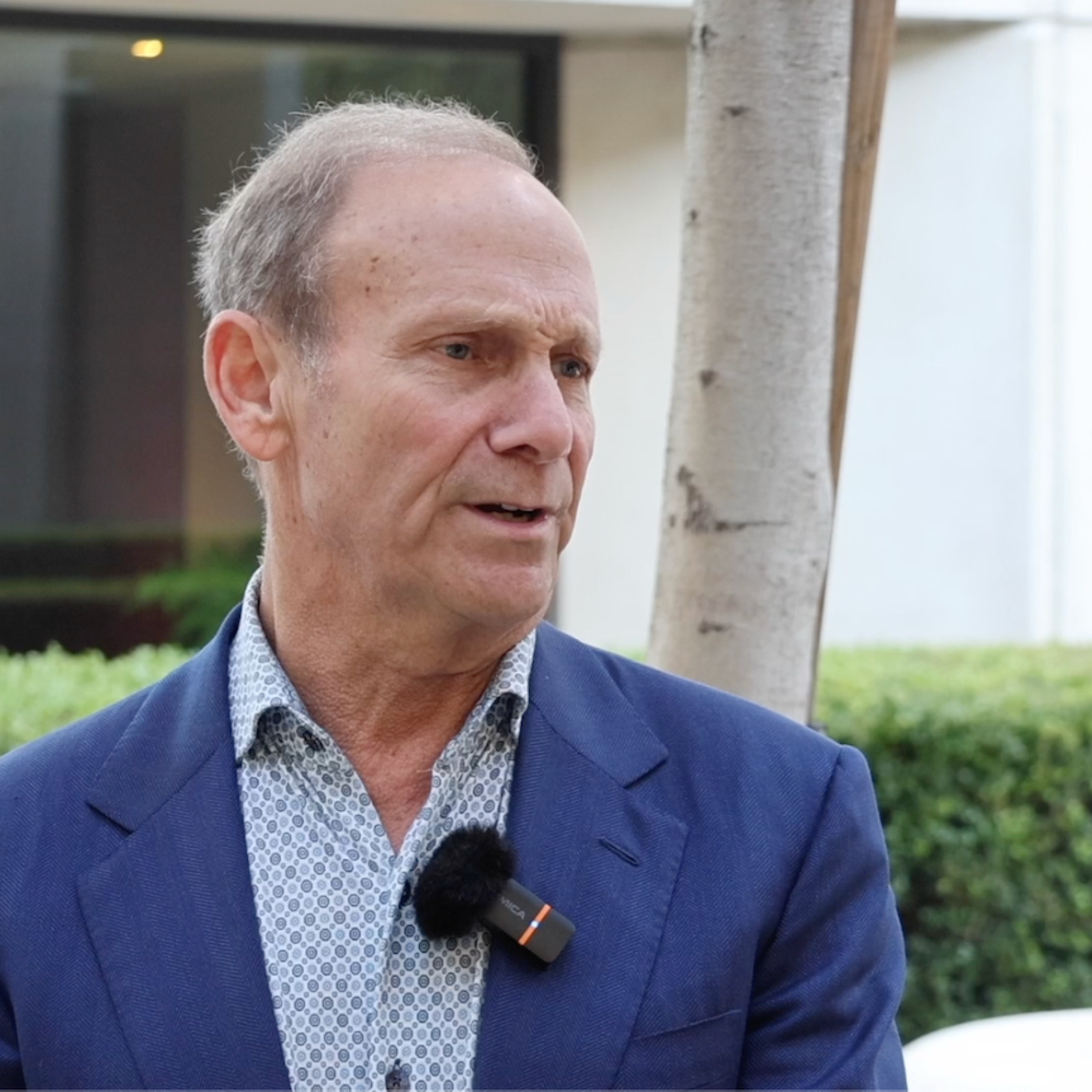
Like AI before ChatGPT, longevity operates largely outside public consciousness. It needs a single, undeniable breakthrough—a widely available drug that effectively extends healthspan—to capture the public's imagination and trigger a massive shift in political and social attention.

The tech world is fixated on trivial AI uses while monumental breakthroughs in healthcare go underappreciated. Innovations like CRISPR and GLP-1s can solve systemic problems like chronic disease and rising healthcare costs, offering far greater societal ROI and impact on longevity than current AI chatbots.
The commercial advantage of one-time CRISPR/Cas9 therapies is shrinking. Advancements in RNA modalities like siRNA now offer durable, long-lasting effects with a potentially safer profile. This creates a challenging risk-reward calculation for permanent gene edits in diseases where both technologies are applicable, especially as investor sentiment sours on CRISPR's long-term safety.
A conference attendee accused Nucleus Genomics of doing gene editing, which it doesn't. This illustrates how people build deeply held worldviews based on a single piece of misinformation, making proactive, clear communication essential for any company in a controversial space.

George Church predicts that reversing aging via somatic gene therapy will be the first truly mainstream genetic enhancement. Since aging will affect 90% of the population, therapies that restore youthful function in the elderly will have a massive impact and widespread adoption, becoming the "GLP-1 moment" for gene editing.
While "programmable medicine" excites investors, it creates fear among patients, evoking images of being chipped or controlled. To build public trust, biotech communication must pivot from technological coolness to the core patient needs: safety and efficacy.
The FDA's focus on one-year data is flawed because the biological mechanism of some gene therapies requires a long ramp-up period. The therapy is essentially building an 'mRNA factory' in the brain, and it takes time for this to translate into measurable clinical benefits, which become more robust in years two and three.

The gene therapy field is maturing beyond its initial boom-and-bust cycle. After facing the reality that it isn't a cure-all, the industry is finding stable ground. The future lies not in broad promises but in a focused approach on therapeutic areas where the modality offers a clear, undeniable advantage.

Despite big pharma's focus on scalable RNA technologies, Series A funding shows a surprising resurgence in investment for cell and gene therapy. This suggests early-stage VCs see significant unsolved value in areas like targeted delivery and gene editing, bucking the broader clinical and commercial narrative.
