Get your free personalized podcast brief
We scan new podcasts and send you the top 5 insights daily.
Despite big pharma's focus on scalable RNA technologies, Series A funding shows a surprising resurgence in investment for cell and gene therapy. This suggests early-stage VCs see significant unsolved value in areas like targeted delivery and gene editing, bucking the broader clinical and commercial narrative.

Related Insights
The focus in advanced therapies has shifted dramatically. While earlier years were about proving clinical and technological efficacy, the current risk-averse funding climate has forced the sector to prioritize commercial viability, scalability, and the industrialization of manufacturing processes to ensure long-term sustainability.

Edelman argues gene editing is still slightly overhyped if its sole purpose is to replace an injectable drug, as safer alternatives may exist. He sees underhyped gene therapy, previously sidelined by safety concerns, as poised for a comeback due to its enormous power and potential for major breakthroughs.
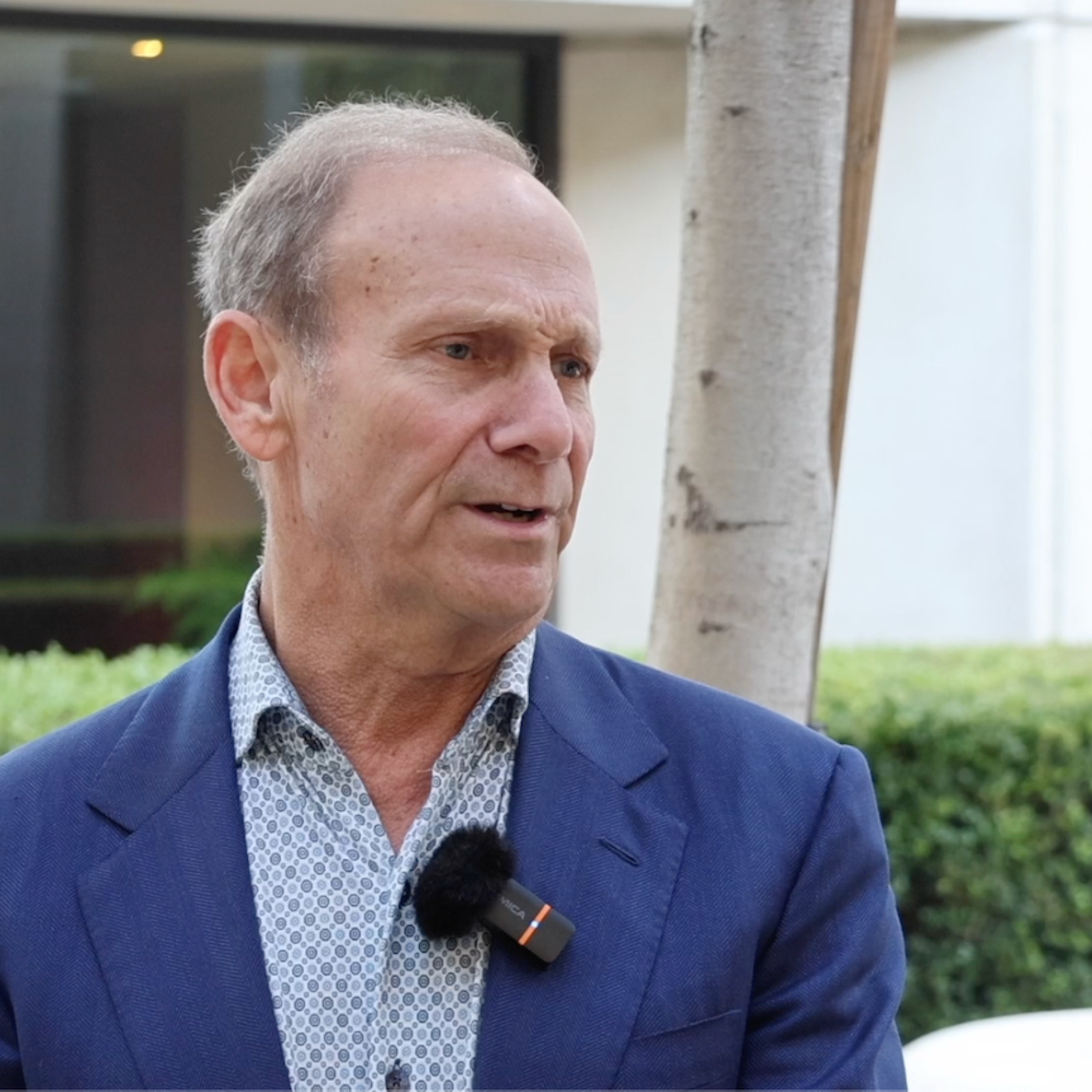
In stark contrast to the US, Chinese investors are accelerating funding for early-stage cell and gene therapies, which now account for 29% of seed/Series A rounds. These firms are specifically backing technologies like NK cell therapies, which have fallen out of favor in the West, creating a divergent global innovation strategy.

Observing that allogeneic ('off-the-shelf') cell therapies have not yet achieved their expected impact, Kite Pharma is strategically investing in in vivo approaches. Through acquisitions and partnerships, they are focusing on technologies that edit cells directly within the body, which have shown promising 'autologous-like' results.
The commercial advantage of one-time CRISPR/Cas9 therapies is shrinking. Advancements in RNA modalities like siRNA now offer durable, long-lasting effects with a potentially safer profile. This creates a challenging risk-reward calculation for permanent gene edits in diseases where both technologies are applicable, especially as investor sentiment sours on CRISPR's long-term safety.
Gene editing pioneer David Liu is developing a platform that could treat multiple, unrelated genetic diseases with a single therapeutic. By editing tRNAs to overcome common nonsense mutations, one therapy could address a wide range of conditions, dramatically increasing scalability and reducing costs.

Renowned gene therapy pioneer Jim Wilson was forced to spin out ultra-rare disease programs into a new company after his initial venture failed to attract VC funding. This demonstrates that even elite scientific leadership cannot overcome investor disinterest in this segment without powerful, predictable government incentives like transferable priority review vouchers.

The gene therapy field is maturing beyond its initial boom-and-bust cycle. After facing the reality that it isn't a cure-all, the industry is finding stable ground. The future lies not in broad promises but in a focused approach on therapeutic areas where the modality offers a clear, undeniable advantage.

Venture capital for US seed and Series A cell and gene therapy companies has collapsed from a historical high of 17-21% of deals to only 7% this year. The sharp decline is driven by a confluence of factors including patient deaths, persistent manufacturing challenges, and growing regulatory uncertainty.
Gene therapy companies, which are inherently technology-heavy, risk becoming too focused on their platform. The ultimate stakeholder is the patient, who is indifferent to whether a cure comes from gene editing, a small molecule, or an antibody. The key is solving the disease, not forcing a specific technological solution onto every problem.