Get your free personalized podcast brief
We scan new podcasts and send you the top 5 insights daily.
Like AI before ChatGPT, longevity operates largely outside public consciousness. It needs a single, undeniable breakthrough—a widely available drug that effectively extends healthspan—to capture the public's imagination and trigger a massive shift in political and social attention.

Related Insights
The success of GLP-1s like Ozempic, which address weight loss, addiction, and metabolic fitness, has made the public more receptive to longevity drugs. People now better understand how a single drug targeting a core mechanism (like metabolic health) can have widespread, seemingly magical downstream benefits.

While the wealthy can access expensive protocols involving diagnostics and lifestyle optimization, these offer only marginal benefits. True, effective longevity will not come from this but from validated, mass-produced biotech drugs that target the core mechanisms of aging.
The tech world is fixated on trivial AI uses while monumental breakthroughs in healthcare go underappreciated. Innovations like CRISPR and GLP-1s can solve systemic problems like chronic disease and rising healthcare costs, offering far greater societal ROI and impact on longevity than current AI chatbots.
The current, tangible role of AI in medicine is its ability to detect subtle patterns in large datasets, radically accelerating drug discovery. Breakthroughs like AlphaFold, which predicts protein shapes, are the true near-term game-changers for aging research, while molecular manufacturing remains distant.
While AI's impact on business is significant, the ultimate catalyst for market euphoria will be its application in healthcare. When AI-driven drug discovery makes 'living forever' a tangible possibility, it will unlock an unprecedented level of investor optimism.

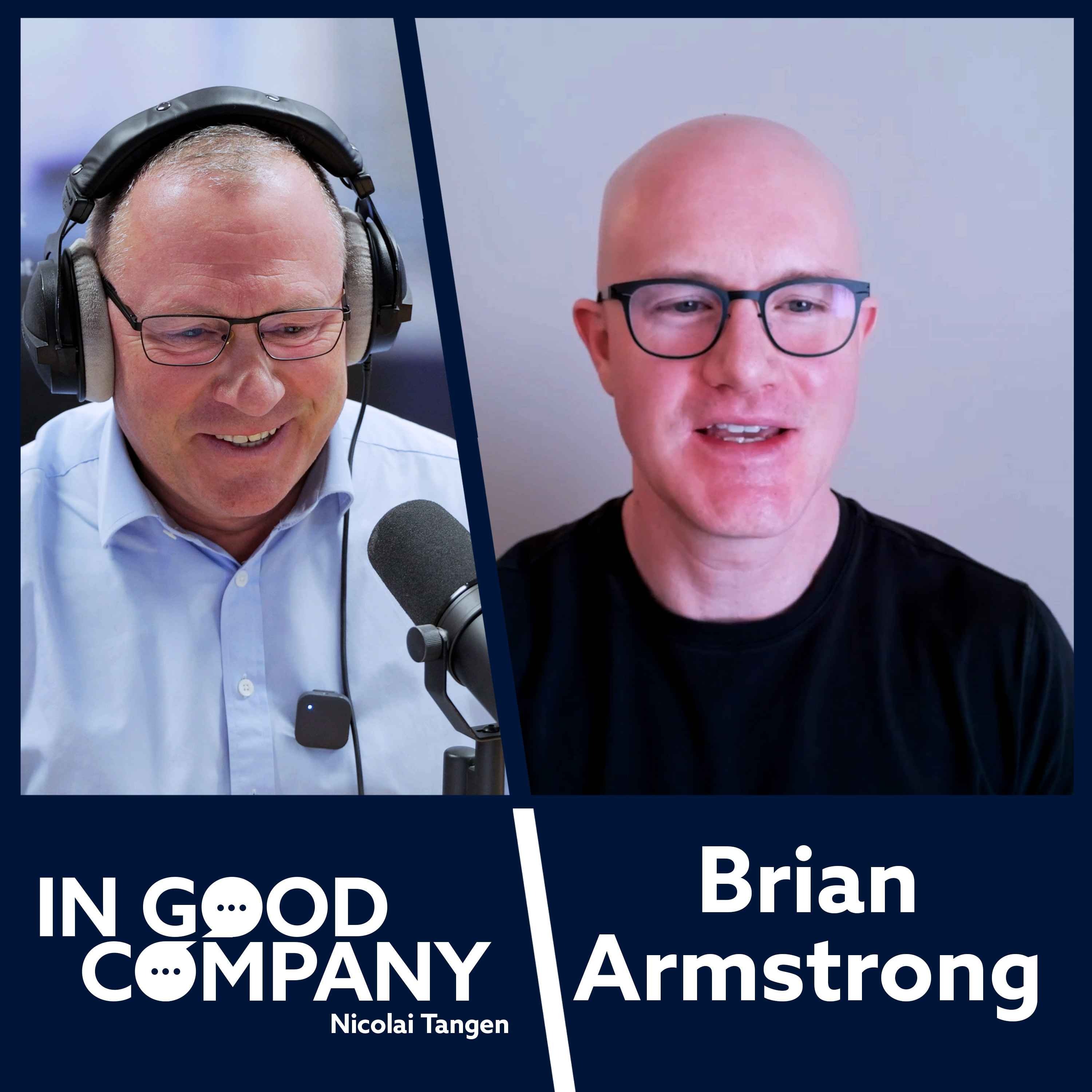
As a co-founder of a longevity biotech firm, Brian Armstrong predicts a 50% chance of reaching "longevity escape velocity" by 2030-2035. This is the point where medicine adds more than a year to life expectancy for every year that passes, driven by breakthroughs in AI-powered drug discovery and cellular analysis.
A major transformation has occurred in longevity science, particularly in the last eight years. The conversation has moved away from claims of radical life extension towards the more valuable goal of increasing "healthspan"—the period of healthy, functional life. This represents a significant and recent shift in scientific consensus.
While foundational, lifestyle improvements have a ceiling. The next major breakthroughs in extending health and lifespan, achieving "longevity escape velocity," will be delivered by advanced biotech like cellular reprogramming, not by the mass adoption of perfect diet, sleep, and exercise habits.

The common aversion to living to 120 stems from assuming extra years will be spent in poor health. The goal of longevity science is to extend *healthspan*—the period of healthy, mobile life—which reframes the debate from merely adding years to adding high-quality life.
The traditional endpoint for a longevity trial is mortality, making studies impractically long. AI-driven proxy biomarkers, like epigenetic clocks, can demonstrate an intervention's efficacy in a much shorter timeframe (e.g., two years), dramatically accelerating research and development for aging.