Get your free personalized podcast brief
We scan new podcasts and send you the top 5 insights daily.
Inspired by food trucks, the founders created a custom "beach house" trailer to act as a mobile retail store. This low-cost, high-impact marketing tactic generated buzz, drove sales, and even served as their trade show booth.

Related Insights
While VCs pushed direct-to-consumer, Faherty's founders blended wholesale, retail, and online sales. This diversified revenue, managed cash flow via wholesale factoring, and built brand presence in a way a pure-play DTC model couldn't.
Carvana's founder revealed that the company's distinctive car vending machines were more than just a marketing stunt. This unique, physical brand experience was a critical element that helped the online car retailer survive, highlighting the power of memorable marketing in a competitive market.

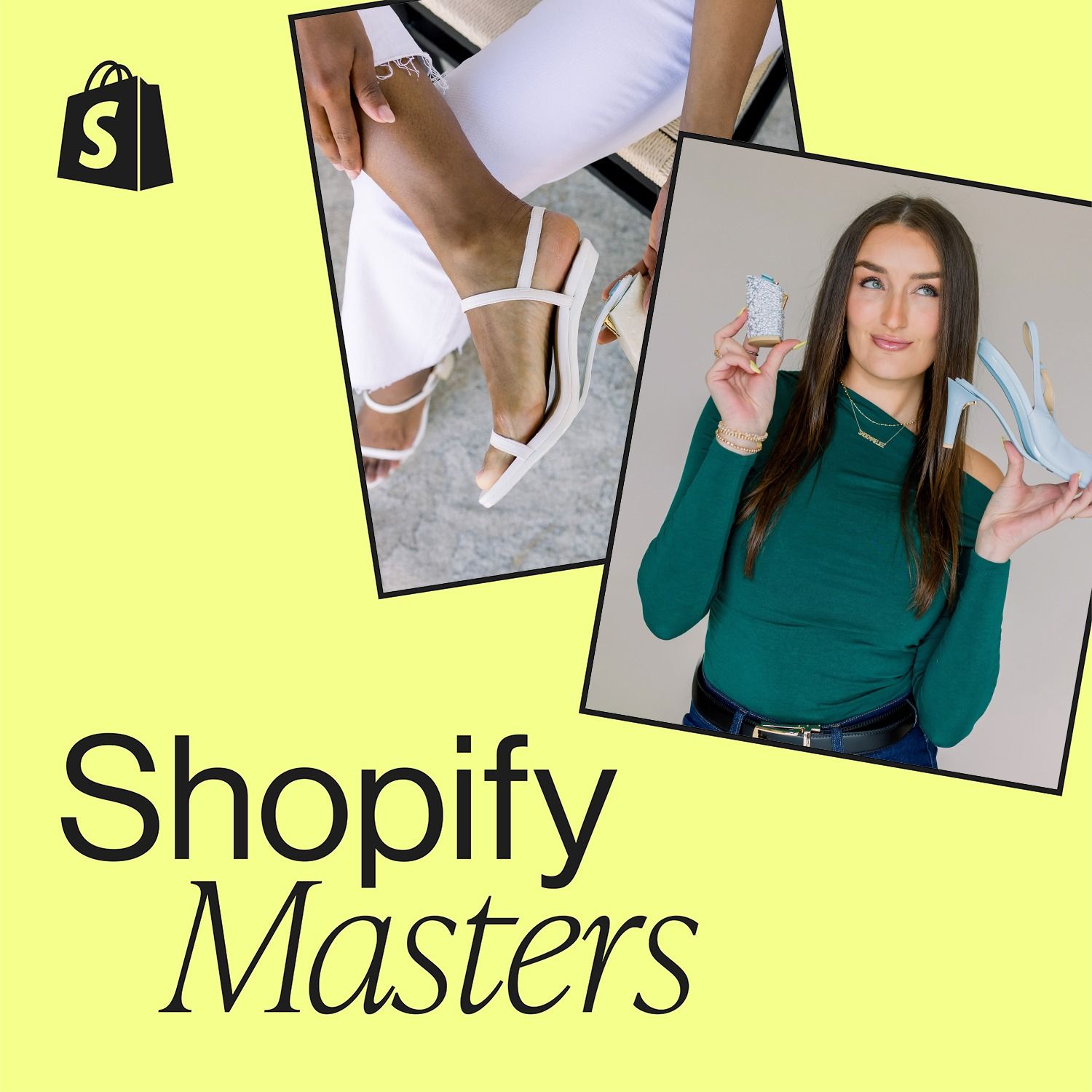
At pop-up events, founder Haley Pavoni saw a 90% purchase rate when she demonstrated her convertible shoe, versus near-zero otherwise. Realizing the demo was key, she scaled that experience by filming TikToks, creating a highly effective, zero-cost customer acquisition channel.
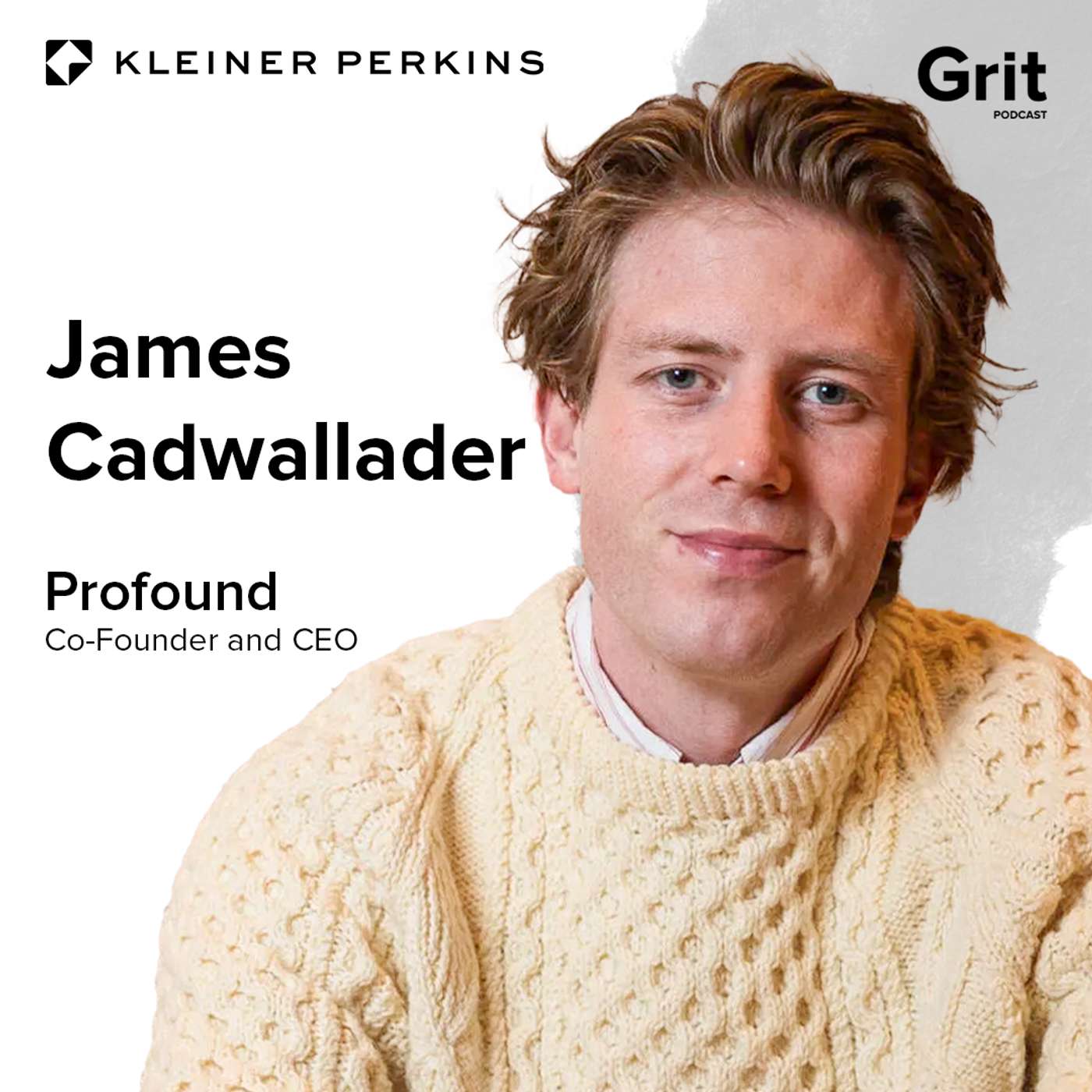
Faced with a hyper-competitive real estate market, Profound deployed cheap billboard trucks—a tool typically used for marketing—to advertise their need for office space. This creative tactic solved a critical operational bottleneck by generating a flood of inbound interest from brokers.
In 2015, Faherty made a counterintuitive marketing bet by launching a print catalog precisely when industry giants like J.Crew were discontinuing them. This classic, tangible medium cut through the digital noise and became their first successful paid media channel.
Facing limited capital, Faherty leaned on wholesale. They used factoring—getting advances on purchase orders from established retailers like Nordstrom—to manage cash flow and fund production, a capital-efficient alternative to dilutive venture rounds.
Inspired by Panera Bread's recession strategy, Faherty saw the 2020 pandemic as a unique chance for retail expansion. While others retreated, they aggressively signed 40 long-term leases, capitalizing on low rents and favorable terms.
To compete in department stores, Alex Faherty personally visited all 10 initial Nordstrom locations. He told the brand story directly to salespeople, recognizing they were the ultimate gatekeepers to customers and their buy-in paid long-term dividends.
With no ad budget, FUBU offered to paint its logo on the security gates of local businesses—from bodegas to repair shops—in exchange for keeping them graffiti-free. Labeling them all as an "authorized FUBU dealer," regardless of what they sold, created a massive, free advertising network and the perception of a large retail presence.

Placing products in non-traditional venues like hotels or airports serves as a powerful discovery and sampling mechanism. This builds brand familiarity and trial, creating a flywheel effect where customers later recognize and purchase the product in traditional retail stores, boosting sales.
