Get your free personalized podcast brief
We scan new podcasts and send you the top 5 insights daily.
n8n positions itself as the orchestration layer, not the engine (LLM). Users bring their own API keys and can switch between models like OpenAI or Anthropic with minimal effort. This flexibility de-risks adoption for users who are concerned about being locked into a single LLM provider's ecosystem.

Related Insights
Recognizing there is no single "best" LLM, AlphaSense built a system to test and deploy various models for different tasks. This allows them to optimize for performance and even stylistic preferences, using different models for their buy-side finance clients versus their corporate users.

Rather than betting on a single winning AI model like OpenAI or Gemini, Lenovo is building an "orchestration layer." This software allows users to access the best model for a given task, positioning Lenovo as a flexible, platform-agnostic enabler instead of tying its fate to one ecosystem in a rapidly evolving market.

A key value proposition for vertical AI applications is being model-agnostic. They act as a strategic layer for enterprises, allowing them to route tasks to the best available LLM at any given time. This de-risks enterprise AI strategy from being locked into a single model provider whose performance may be surpassed.

As major AI players like SpaceX/Cursor and Anthropic build closed ecosystems and change pricing, companies face significant vendor lock-in risk. An open IDE layer that supports multiple AI models becomes a strategic asset, allowing teams to avoid price hikes and switch to better models without overhauling workflows.

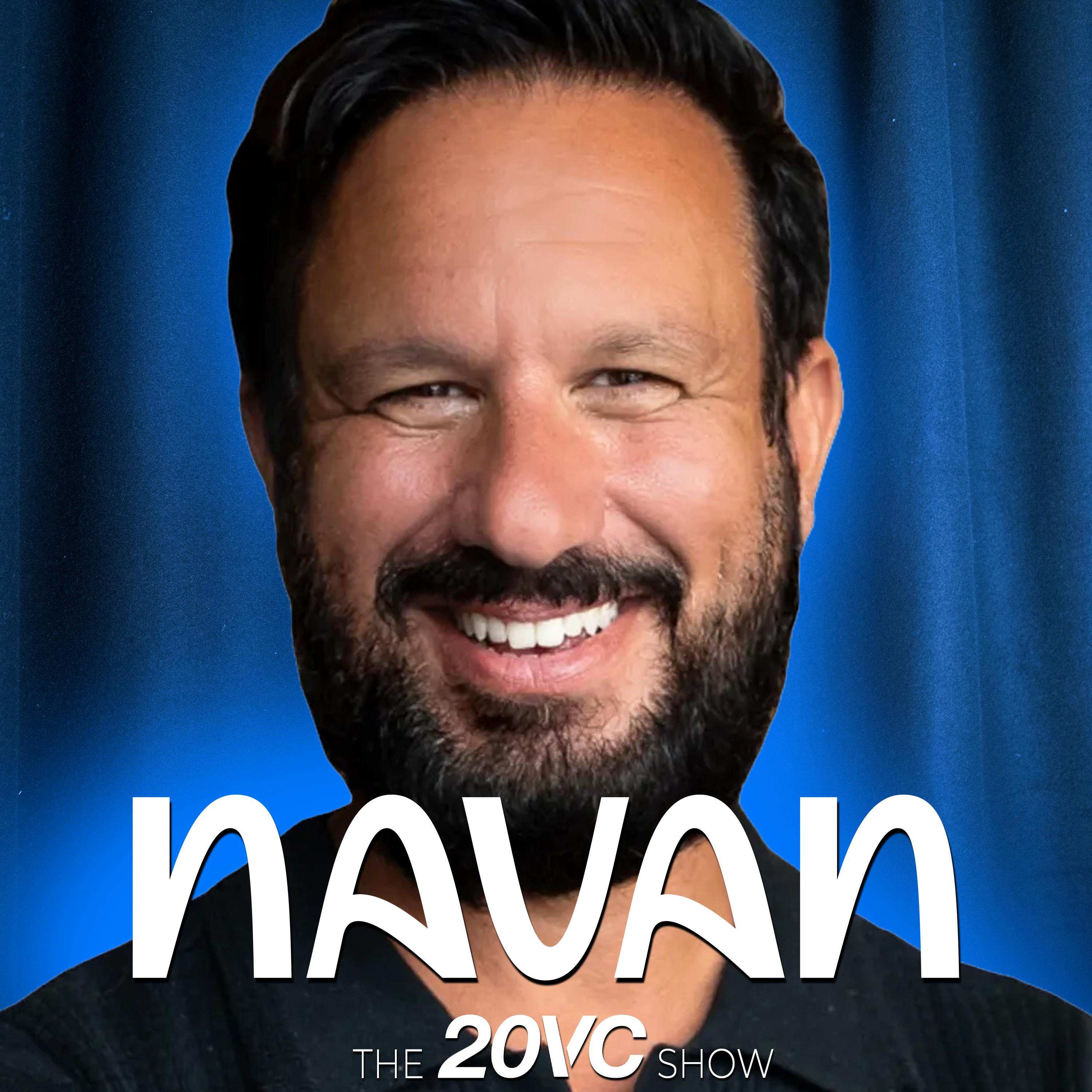
Navan's CEO sees the debate over which LLM is best as unimportant because the infrastructure is becoming a commodity. The real value is created in the application layer. Navan's own agentic platform, Cognition, intelligently routes tasks to different models (OpenAI, Anthropic, Google) to get the best result for the job.
Enterprise platform ServiceNow is offering customers access to models from both major AI labs. This "model choice" strategy directly addresses a primary enterprise fear of being locked into a single AI provider, allowing them to use the best model for each specific job.

Unlike sticky cloud infrastructure (AWS, GCP), LLMs are easily interchangeable via APIs, leading to customer "promiscuity." This commoditizes the model layer and forces providers like OpenAI to build defensible moats at the application layer (e.g., ChatGPT) where they can own the end user.

Enterprises will shift from relying on a single large language model to using orchestration platforms. These platforms will allow them to 'hot swap' various models—including smaller, specialized ones—for different tasks within a single system, optimizing for performance, cost, and use case without being locked into one provider.

Large enterprises are avoiding commitment to a single AI provider like OpenAI or Anthropic. Instead, they're building control planes and abstraction layers that allow them to hot-swap the underlying models, mitigating technology risk and preventing dependence on one provider's terms of service.

Perplexity's core advantage is its model-agnostic orchestration. Unlike vertically integrated competitors (Google, OpenAI), it can select the best model for any task—whether from GPT, Claude, or open-source alternatives—to offer a superior, specialized "orchestra" of AI capabilities.
