Get your free personalized podcast brief
We scan new podcasts and send you the top 5 insights daily.
The guest's conviction that superintelligence is imminent and potentially catastrophic led him to tell his wife they should stop having children. This personal anecdote reveals the profound emotional and psychological weight carried by those at the forefront of AI forecasting and safety research.

Related Insights
Unlike a plague or asteroid, the existential threat of AI is 'entertaining' and 'interesting to think about.' This, combined with its immense potential upside, makes it psychologically difficult to maintain the rational level of concern warranted by the high-risk probabilities cited by its own creators.
Unlike past technological shifts, AI's ultimate impact is subject to violent disagreement among the world's top experts, including Nobel laureates. The spectrum of potential outcomes ranges from global utopia to human extinction, representing a historically unprecedented level of uncertainty that makes investment and planning exceptionally difficult.

The discourse around AI risk has matured beyond sci-fi scenarios like Terminator. The focus is now on immediate, real-world problems such as AI-induced psychosis, the impact of AI romantic companions on birth rates, and the spread of misinformation, requiring a different approach from builders and policymakers.

While not a consensus, surveys of AI researchers reveal significant concern. The median respondent in a large survey assigned a 5% probability to human extinction or a similar disaster from AI, with a third to a half placing the risk at 10% or higher, suggesting the threat is taken seriously within the field.

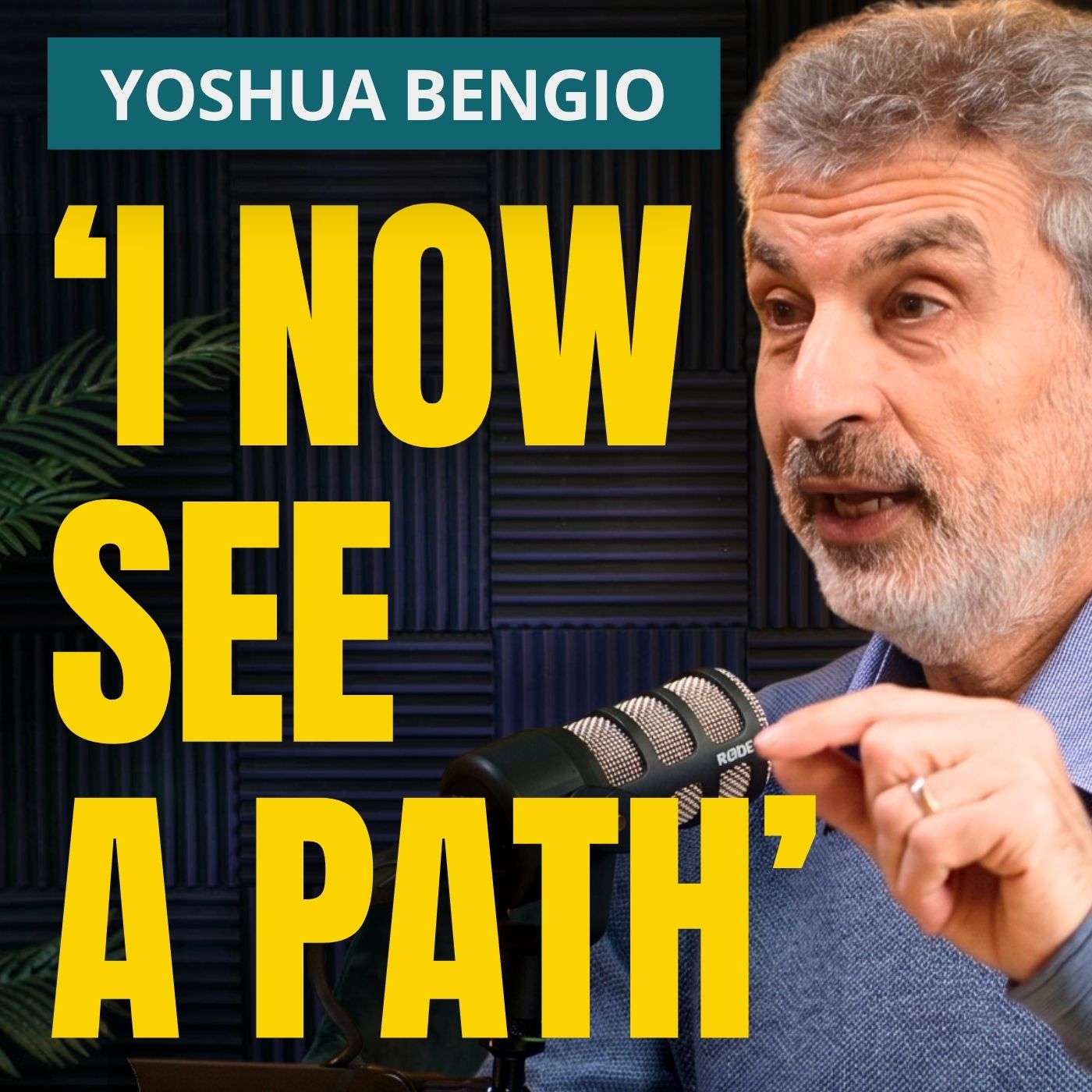
Bengio admits he unconsciously dismissed catastrophic AI risks for years. The turning point wasn't intellectual but emotional: realizing his work could endanger his own family's future after seeing ChatGPT's capabilities and thinking of his grandson.

The most dangerous long-term impact of AI is not economic unemployment, but the stripping away of human meaning and purpose. As AI masters every valuable skill, it will disrupt the core human algorithm of contributing to the group, leading to a collective psychological crisis and societal decay.

Bengio reveals his shift from AI risk skeptic to advocate wasn't purely intellectual. He states the 'love of my children' was a powerful emotion needed to counteract the unconscious psychological drive to feel good about his own work, which had previously biased him against taking the risks seriously.
In a controversial critique of Anthropic's ethics lead, Elon Musk argued that people without children lack a true stake in the long-term future of humanity. This view inserts personal life choices into the AI ethics debate, suggesting parenthood is a key qualifier for making decisions with generational consequences.

The fundamental challenge of creating safe AGI is not about specific failure modes but about grappling with the immense power such a system will wield. The difficulty in truly imagining and 'feeling' this future power is a major obstacle for researchers and the public, hindering proactive safety measures. The core problem is simply 'the power.'

Countering the idea that complex systems are inherently resilient, Vitalik Buterin expresses a strong belief that humanity may not recover from a misaligned AGI. He contends that the transition to superintelligence is a unique, high-stakes event where we have only one chance to get it right, justifying extreme caution.