Get your free personalized podcast brief
We scan new podcasts and send you the top 5 insights daily.
The real insights from Berkshire Hathaway meetings emerge from unscripted, off-the-cuff answers. When pressed by shareholders on topics like avoiding tech in the 90s, Warren Buffett and Charlie Munger’s spontaneous responses revealed more honesty and nuance than their carefully edited annual letters, offering a truer glimpse into their thinking.

Related Insights
The post-Munger era at Berkshire Hathaway, led by CEO-in-waiting Greg Abel, shifted the annual meeting's tone to be more business-focused. The meeting featured deep dives into numbers and operational details from various subsidiary managers, delivering high informational value.

In a world of AI-generated content, true expertise is proven by the ability to answer spontaneous, unscripted questions on a topic for an extended period. This demonstrates a level of domain mastery and authenticity that AI cannot replicate, building genuine trust with an audience.

Ben Smith argues that journalists often mistakenly tiptoe around tough questions with CEOs and politicians. In reality, these leaders are eager to engage on the core challenges of their business, finding it more interesting than reciting canned anecdotes. Hard questions lead to better content.

Jacobs views typical, highly-scripted Fortune 500 board meetings as a 'kabuki dance' and a waste of time. Instead, he runs meetings where directors have unscripted access to ask any question to managers and employees at all levels, fostering transparency and surfacing real business issues.

Traditional private equity questioning feels like an interrogation, yielding guarded answers. An operator asking peer-to-peer questions creates a conversation, resulting in deeper, more authentic information—the primary input for better investment decisions.

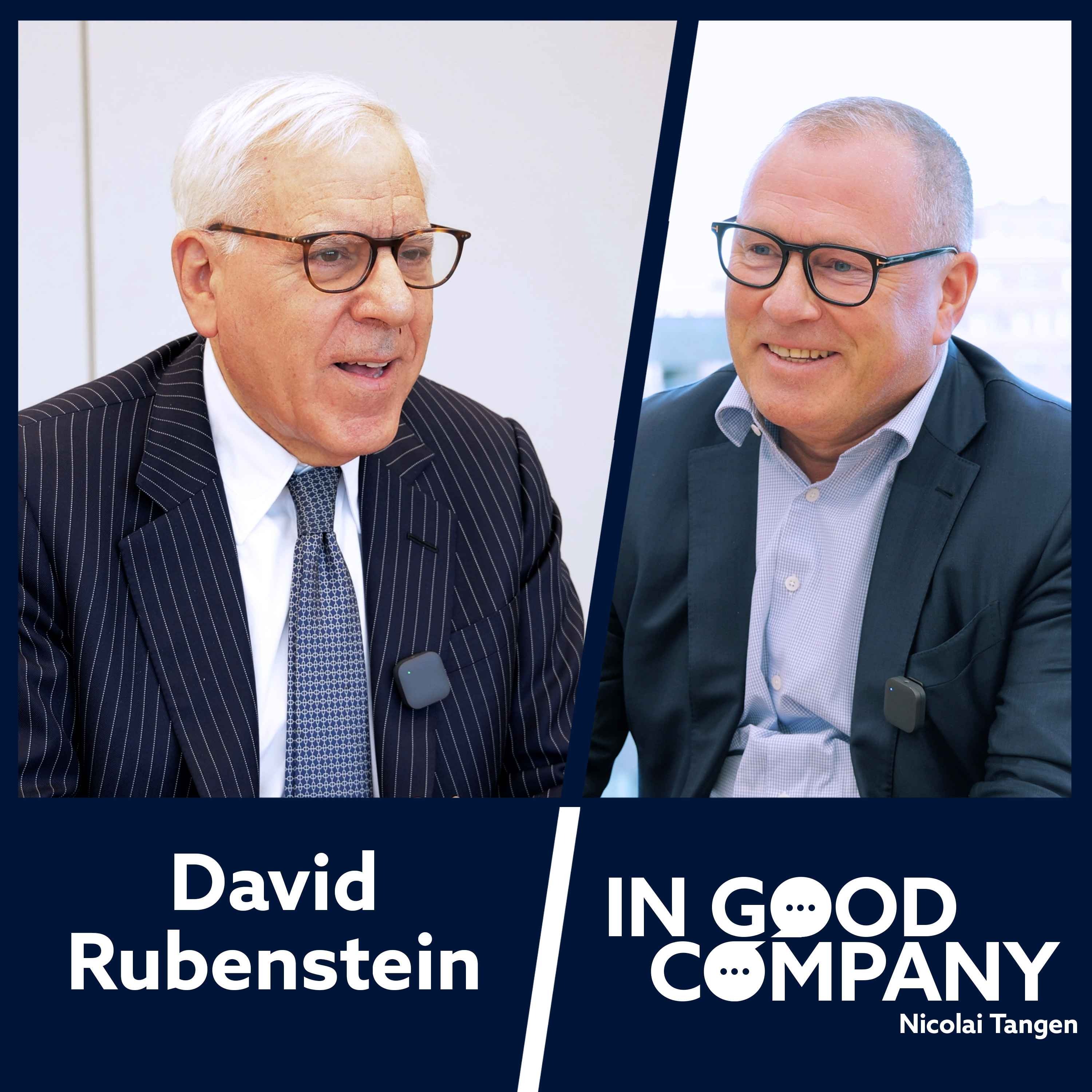
Citing Oprah Winfrey, Rubenstein argues the key to great interviewing is not having the best questions but being a great listener. True listening allows the interviewer to pivot and follow up on unexpected answers, turning a rigid Q&A into a genuine conversation that uncovers far deeper insights than a prepared script ever could.
The Berkshire Hathaway annual meeting, post-Warren Buffett's stage presence, is set to become a shorter, more business-centric event. It will feature subsidiary leaders like Greg Abel and Ajit Jain fielding specific operational questions, a significant shift from the previous format that blended business with broad life wisdom.
At his first annual meeting, new leader Greg Abel showed a different style from Warren Buffett by directly addressing operational challenges at subsidiaries like GEICO and BNSF. While Buffett often avoided criticizing managers publicly, Abel's refreshing frankness suggests a more hands-on, transparent approach to managing Berkshire's portfolio of businesses.
To elicit candid answers from fund managers, the most effective technique is not the question itself but the silence that follows. Resisting the psychological urge to fill the space forces the manager to sit with the question, often leading to less rehearsed and more truthful responses.
Framing a question about past errors as a "do-over" bypasses management defensiveness. It encourages more honest reflection on decisions and reveals a leader's capacity for humility, a key trait for avoiding corporate blow-ups.
