Get your free personalized podcast brief
We scan new podcasts and send you the top 5 insights daily.
HubSpot created a "Failure Forum" where leaders would publicly discuss significant professional mistakes and their consequences, such as a botched product launch. This practice of open accountability and humility built disproportionate employee loyalty.

Related Insights
To prevent a culture of blame, Sierra holds public "lessons learned" sessions for any failure, from lost deals to bugs. This frames failure as a collective responsibility of the team, not an individual's fault. The focus is on fixing the underlying system, fostering paranoia about processes, not people.
Jensen Huang rejects "praise publicly, criticize privately." He criticizes publicly so the entire organization can learn from one person's mistake, optimizing for company-wide learning over individual comfort and avoiding political infighting.

To encourage a sales team to be more aggressive and take risks, leaders must make it safe to fail. A powerful tactic is to hold regular meetings where the team collectively analyzes both a won and a lost deal. This removes the stigma of failure and transforms individual losses into collective learning opportunities.

Instead of hiding early product flaws, founders can build a stronger community by openly sharing their mistakes and the correction process. This transparency makes the brand more relatable and human, fostering trust and loyalty more effectively than projecting an image of perfection.

Studies show executives who admit to past struggles, like being rejected from multiple jobs, are trusted more by employees. This vulnerability doesn't diminish their perceived competence and can significantly increase team motivation and willingness to work for them.

When a leader makes a hiring mistake, especially with a senior role, the most effective way to rebuild trust is to "fall on the sword." Publicly apologizing to the entire organization demonstrates extreme ownership, validates the team's frustrations, and reinforces a culture of accountability.
Contradicting the "praise in public, criticize in private" mantra, ElevenLabs' VP of Sales publicly calls out underperforming reps during group pipeline reviews. He believes this direct feedback creates pressure, drives improvement, and allows the entire team to learn from individual mistakes.

Citing a Steve Jobs anecdote, Chang asserts that for senior leaders, the reasons behind failure are irrelevant. If you succeed, you get the praise; if you fail, you get all the blame. This fosters a culture of extreme ownership and accountability where excuses are not tolerated.

To avoid repeating errors during rapid growth, HubSpot used a 'Pothole Report.' This process involved a post-mortem on every significant mistake, asking how it could have been handled or what data was needed a year ago to prevent it, effectively institutionalizing learning from failure and promoting proactive thinking.

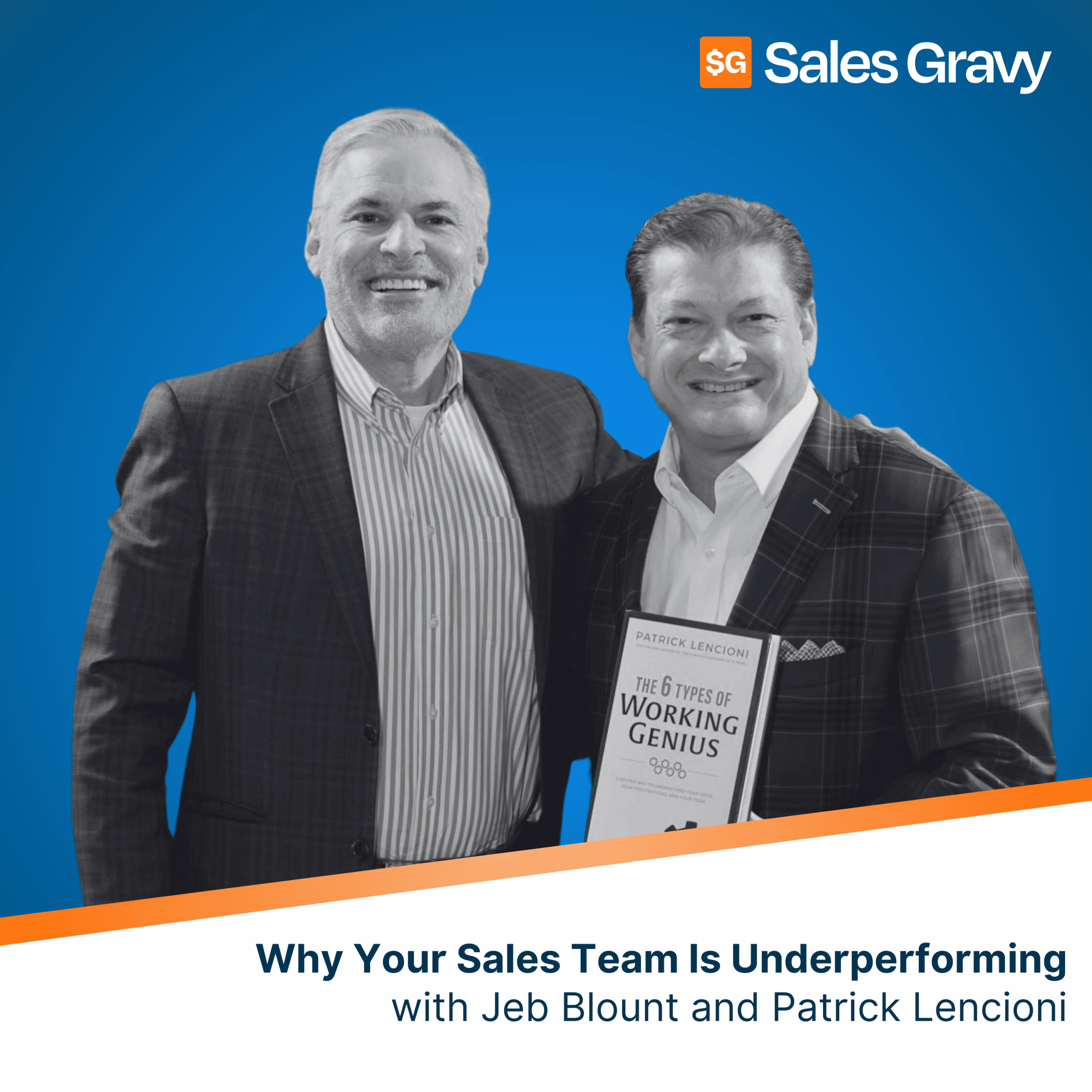
When leaders use a tool like Working Genius to openly admit, "Hey, I suck at a few things. And here's the proof," it creates a liberating culture. It signals to everyone that it's safe to be vulnerable, acknowledge their own areas of frustration, and ask for help without fear of judgment.