Get your free personalized podcast brief
We scan new podcasts and send you the top 5 insights daily.
Despite its agricultural reputation, California is unattractive for scalable commodity crop investing. The state suffers from a "misalignment of incentives" where "use it or lose it" water rights encourage growing water-intensive crops like cotton, while a lack of new infrastructure for water capture makes the region's future precarious.

Related Insights
To mitigate climate risks like drought, savvy investors focus on the Great Lakes region. This area has abundant natural rainfall and water resources, positioning it to become more valuable and productive as other agricultural zones face increasing water scarcity.
Over the past decade, the biggest financial pressure on farmers isn't volatile input costs like fertilizer, but rather the doubling of land prices. With crop futures prices stagnant since 2016, land rent can now constitute up to half of the total cost to grow an acre of corn, creating a severe, long-term margin squeeze.

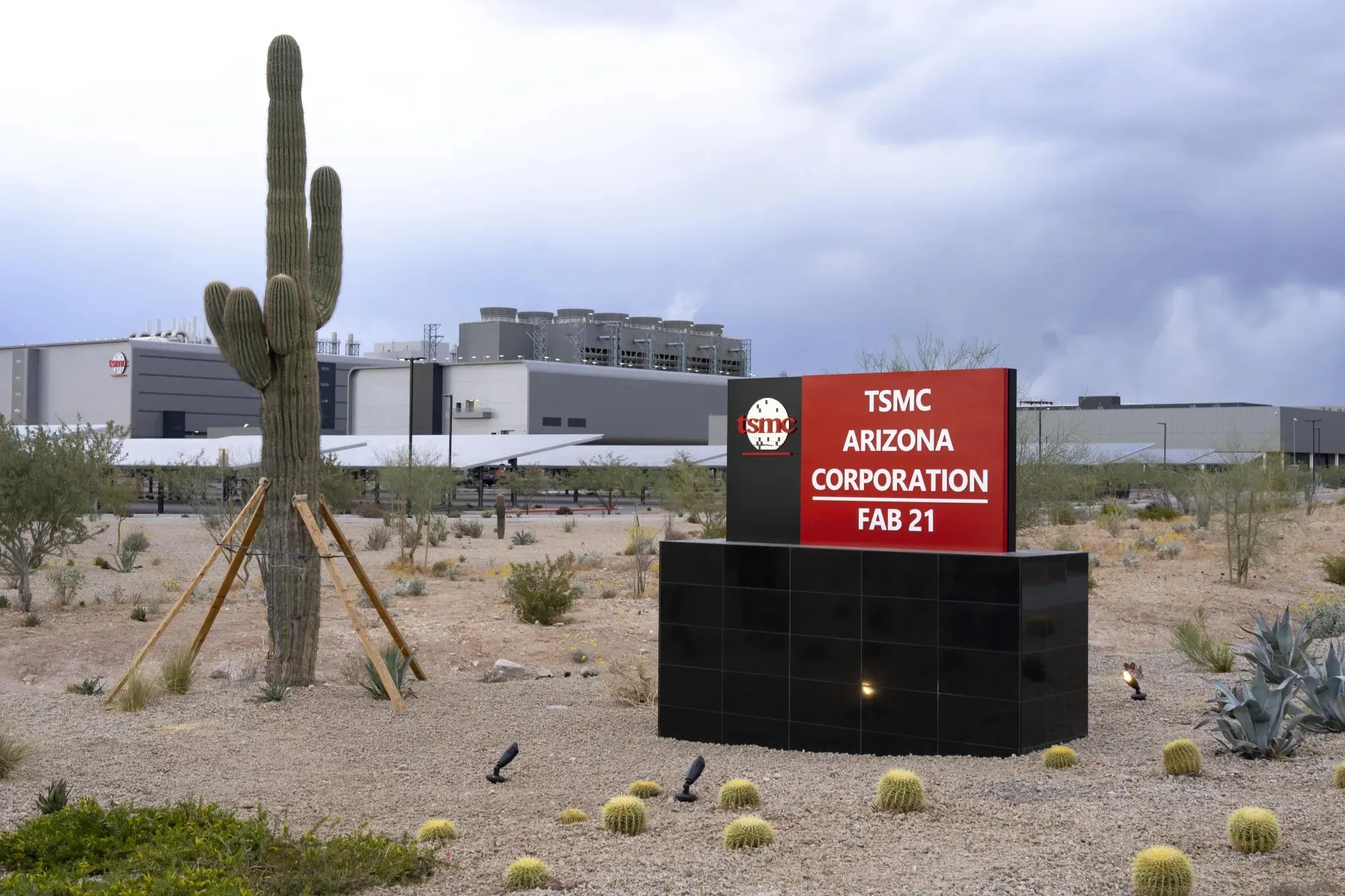
Counterintuitively, data centers in arid regions like Arizona can be a net positive. They generate up to 50 times more tax revenue per gallon of water used than industries like golf, making them a highly efficient economic replacement.

Despite high prices creating a clear economic incentive for ranchers to expand herds, they aren't. This defiance of basic economic theory suggests deeper systemic issues like drought, an aging rancher demographic, or producers prioritizing debt repayment over reinvestment.

On Australia's driest continent, water is a scarcer and more valuable asset than land. By owning water rights, an investor can capture upside from the agricultural sector's shift to higher-margin crops—which can afford higher water lease rates—without taking direct farming risk, creating a more efficient investment.

The value of prime US farmland has decoupled from its agricultural cash-flow potential. It now trades like gold, with investors accepting low cap rates (around 2%) in anticipation of high appreciation (6%+). This makes outright ownership nearly impossible for farmers, as the investment can't be justified by operational returns.
Beyond direct energy impacts, the agricultural space is acutely vulnerable. US farmers already faced the largest gap between production costs and crop prices before the crisis. The spike in fuel and fertilizer costs will exacerbate this, likely leading to future food shortages and significant food price inflation.

A long-standing state law mandates that new developments in metro areas prove a 100-year water supply. While once a regulatory hurdle, this policy now provides certainty to water-intensive businesses like semiconductor fabs, making Arizona more attractive than other drought-prone Western states.
Improved US-China trade relations are boosting Chinese purchases of American sorghum. This increased demand could make sorghum a more profitable crop for US farmers, potentially leading them to allocate acreage away from other crops like cotton during the 2026 planting season.

In 2022, high corn prices cushioned the blow from expensive fertilizer. Today, the dynamic is different: fertilizer costs have skyrocketed while corn prices have barely moved. This negative spread crushes farmer profitability and threatens future food supply, a stark contrast to the previous crisis.