Get your free personalized podcast brief
We scan new podcasts and send you the top 5 insights daily.
To mitigate climate risks like drought, savvy investors focus on the Great Lakes region. This area has abundant natural rainfall and water resources, positioning it to become more valuable and productive as other agricultural zones face increasing water scarcity.

Related Insights
During a severe geopolitical crisis that spikes oil prices, the United States' self-sufficiency in energy, food, and water makes it a relative safe haven. Rather than simply de-risking, a strategic defensive move is to reallocate capital from more vulnerable regions like Europe and Asia to the U.S.

Over the past decade, the biggest financial pressure on farmers isn't volatile input costs like fertilizer, but rather the doubling of land prices. With crop futures prices stagnant since 2016, land rent can now constitute up to half of the total cost to grow an acre of corn, creating a severe, long-term margin squeeze.

Unlike traditional real estate, most valuable farmland isn't publicly listed. Investment firms build relationships with the farmers who rent their land, using this network to identify off-market acquisition opportunities from estates, trusts, and non-farming heirs who are likely to sell.
Despite its agricultural reputation, California is unattractive for scalable commodity crop investing. The state suffers from a "misalignment of incentives" where "use it or lose it" water rights encourage growing water-intensive crops like cotton, while a lack of new infrastructure for water capture makes the region's future precarious.
On Australia's driest continent, water is a scarcer and more valuable asset than land. By owning water rights, an investor can capture upside from the agricultural sector's shift to higher-margin crops—which can afford higher water lease rates—without taking direct farming risk, creating a more efficient investment.

The prospect of future climate events is having immediate, tangible economic consequences. Rising insurance rates and reduced coverage availability in at-risk areas like Florida and California are already depressing property values and the broader economic outlook, demonstrating that climate risk is a current, not just future, problem.

Agriculture is more than a fertilizer play. Base commodities like corn and wheat encapsulate spiking fuel and fertilizer costs on top of three years of recession-level farming profit margins. This combination creates a perfect storm where the only cure is higher prices.

The boom in AI and data processing has created immense demand for data centers in the U.S. Midwest. Farmland with access to power, water, and fiber optics can be sold for 8 to 20 times its agricultural value, creating a significant "optionality" for investors beyond crop yields.
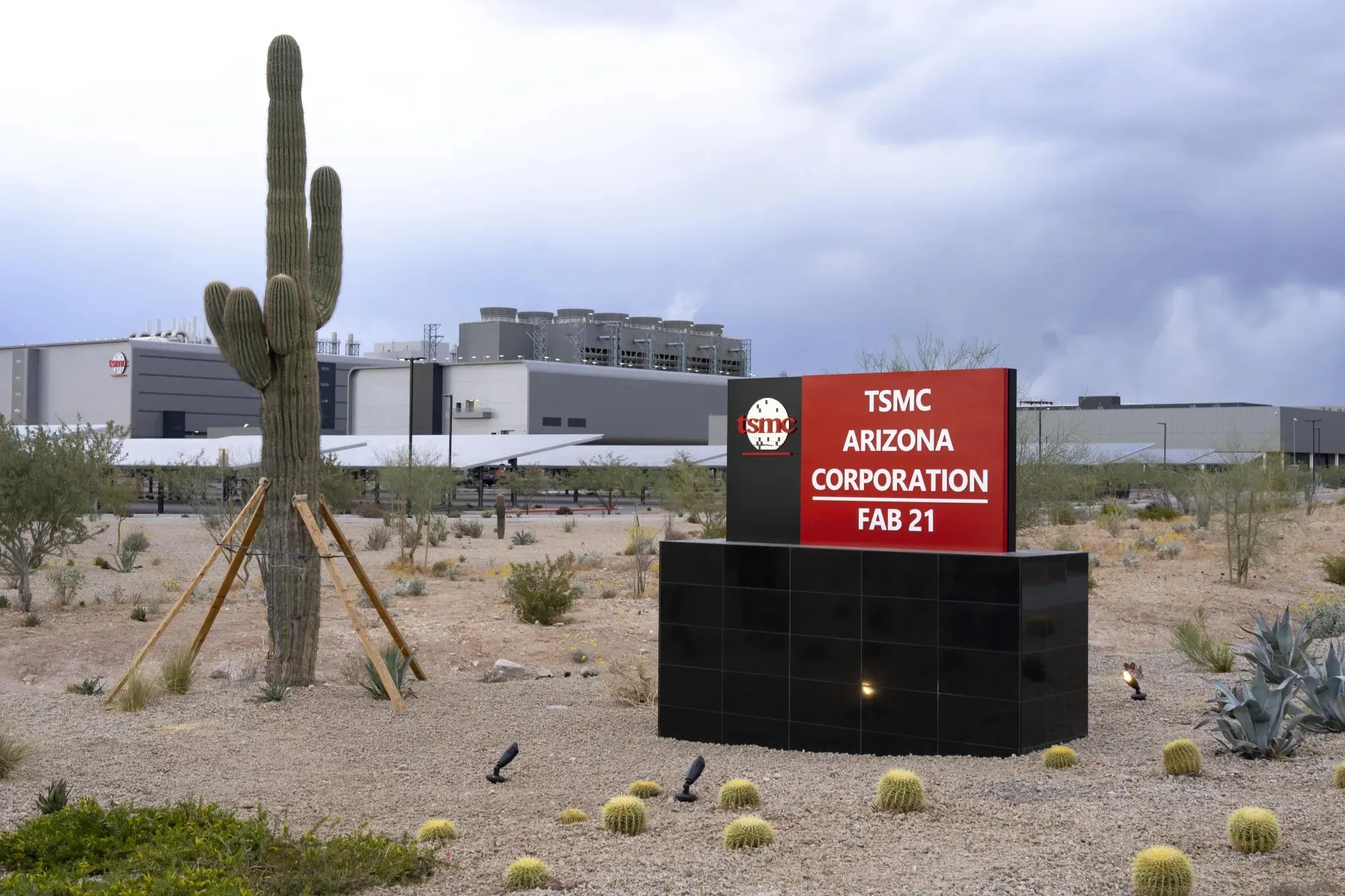
A long-standing state law mandates that new developments in metro areas prove a 100-year water supply. While once a regulatory hurdle, this policy now provides certainty to water-intensive businesses like semiconductor fabs, making Arizona more attractive than other drought-prone Western states.
The US farm sector is already fragile due to a recessionary environment. An energy crisis raises input costs (fuel, fertilizer) and, if it disrupts the spring planting season, will cause a severe food supply shortage. This sets up agricultural commodities for a massive, overlooked rally.