Get your free personalized podcast brief
We scan new podcasts and send you the top 5 insights daily.
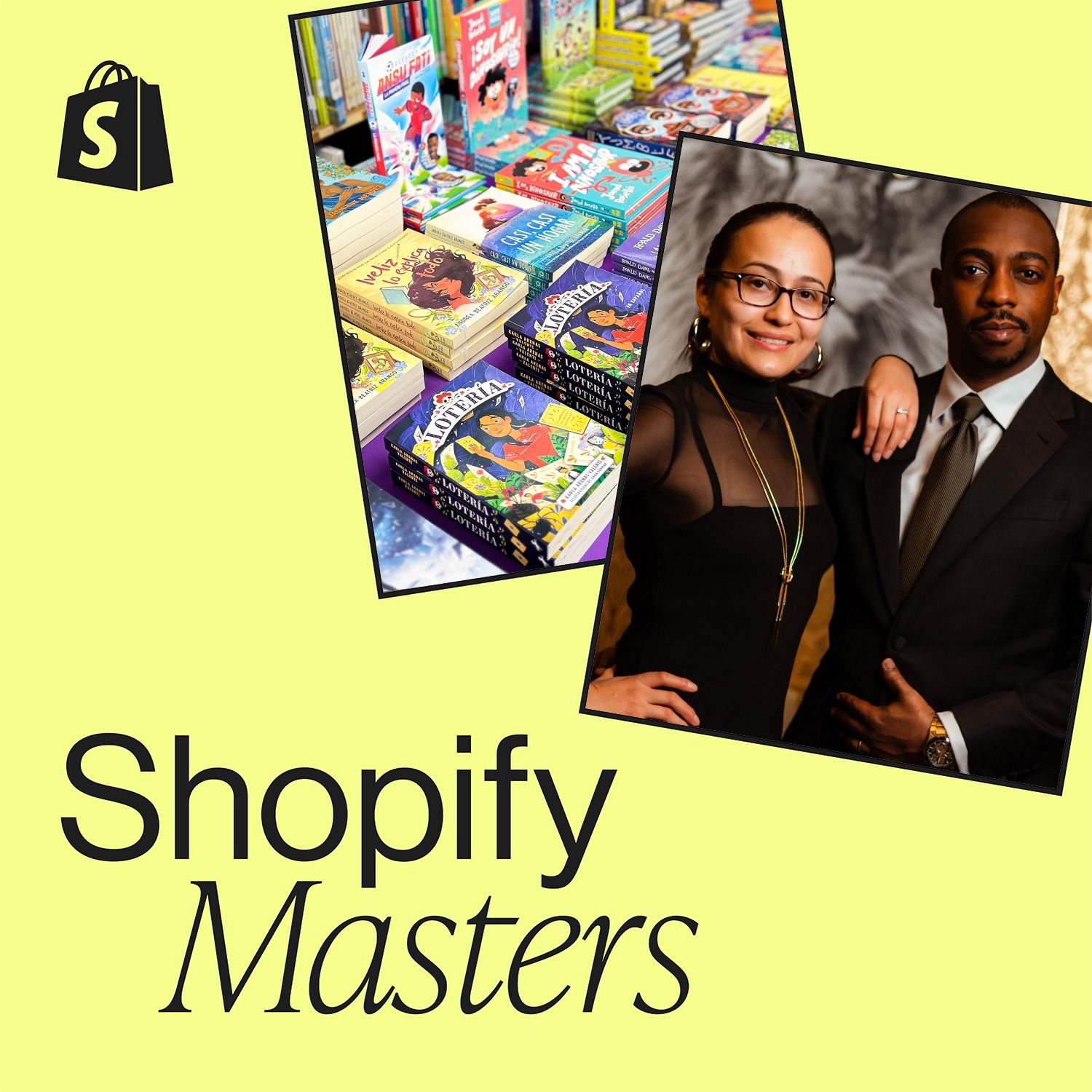
Mumar says a $100 Meta conversion cost is underwater on a $30 book, but it may still be profitable when the average book fair grosses $5,000. That unit-economics gap is why Miha Books focused on book fairs rather than individual DTC orders for its growth.

Related Insights
Event tickets for brands are priced near break-even (e.g., $100). This isn't a primary profit center. Instead, it maximizes community participation and audience growth, which in turn fuels the highly profitable digital sponsorship business that accounts for the majority of revenue.

Contrary to common belief for online-native brands, Peak Design's own retail stores have the highest contribution margin. This is because shipping products in bulk freight to stores is cheaper than covering the high last-mile delivery costs for individual e-commerce orders, which often qualify for free shipping.
Stephanie says schools must sell at least five days to hit the $5,000 average; four days missed. They also found enrollment over 450 students got closer to that average, and at 35% margin, below $5,000 risks breaking even or losing money, so Miha now sends agreements based on enrollment alone.
The business model for major conferences involves massive upfront fixed costs just to operate. Profitability only begins after this high threshold is met, at which point each additional ticket sold is almost pure profit. This makes the business high-risk and unattractive for small-scale events.

Despite receiving out-of-state and even overseas requests, Miha Books is deliberately choosing depth over breadth. They estimate the California book fair market at $50 million and are focused on capturing a significant share of that local market before taking on the logistical costs and complexities of national expansion.
For his second book, author Ramli John drove 77% of sales directly, bypassing Amazon. While Amazon offers volume, direct sales provide higher margins and, more importantly, invaluable customer data (like emails) that enables direct communication, feedback loops, and long-term community building.

While strong marketing is ideal, a business model engineered for high lifetime value (LTV) is a more powerful lever for growth. The enormous profit margins generated per customer create a financial cushion that allows you to scale profitably even with less-than-perfect, inefficient marketing campaigns, crushing competitors who rely on optimization alone.

Don't fear low conversion rates on high-ticket items. The dramatic increase in profit per sale more than compensates for lower volume. This model is not only more profitable on the same number of leads but also significantly reduces operational complexity by requiring fewer customers to serve.

Without VC funding, Free Soul couldn't afford to acquire customers at a loss. Their core financial rule was that customer acquisition costs must be lower than the gross margin on the very first purchase, a strict focus on unit economics that fueled their sustainable growth.

To profitably scale a SaaS with paid ads (Meta, YouTube), you cannot rely on low-ticket monthly subscriptions. The customer acquisition cost will almost always be too high to be sustainable. You must have a high-ticket enterprise plan to ensure a positive return on ad spend from day one.
