Get your free personalized podcast brief
We scan new podcasts and send you the top 5 insights daily.
Brett Monia, a founding scientist, initially hesitated to become CEO. He spent two years as COO deliberately improving his financial and investor relations skills by working with the CFO and meeting investors to prepare for the leadership transition.

Related Insights
Vivtex's scientist-CEO successfully navigated the transition by hiring an experienced finance and operations lead early on. This freed him from learning non-R&D functions from scratch, allowing him to leverage his deep technical expertise for high-value activities like business development and scientific strategy.
When promoted to CEO internally, your advantage is institutional knowledge, but your disadvantage is a lack of external CEO experience. The key is to be egoless about this gap and proactively construct a leadership team and advisory network with the specific experience you lack.

The transition from a leadership role at a large pharma company like Gilead to a biotech CEO involves a massive shift in scope. Instead of managing one large function with a large team, a biotech CEO is hands-on with every aspect of the company, from science to finance.

When building its first commercial team, Ionis CEO Brett Monia, a scientist, prioritized hiring experienced leaders who also appreciated the company's deep-rooted scientific culture. This focus on cultural alignment was critical to successfully integrating the new commercial function into the R&D-centric organization.
In the early stages, a biotech CEO's role is primarily scientific leadership and storytelling to attract investors. As the company and market mature, the role shifts. Effective CEOs must then become adaptable strategists, staying true to their core vision while responding to the dynamic industry environment.

Kevin Pojasek credits his effectiveness to a deliberate 12-year journey through diverse roles—investing, company creation, research, and clinical operations. This broad experience allows a leader to understand how all parts of the company, from high-level strategy to detailed science, fit together.

Luba Greenwood argues that unlike in tech, many biotech CEOs lack P&L experience. In today's cash-constrained market, CEOs need to be able to build financial models and understand finance deeply to be effective, a skill she personally developed after transitioning from law and science.
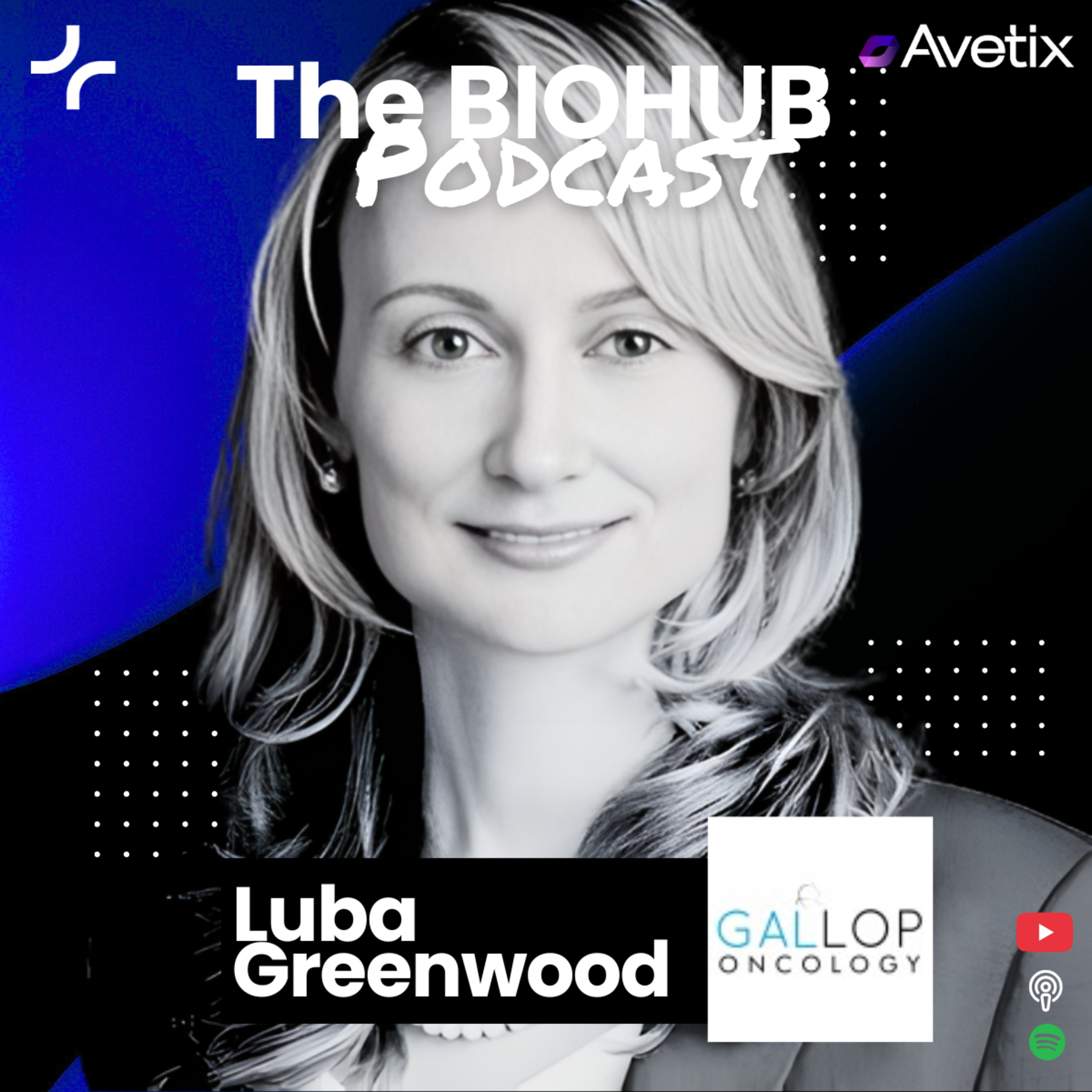
Investor preference for CEOs has shifted dramatically. While 2019-2021 favored scientific founder-CEOs, today’s tough market demands leaders with prior CEO experience. The ideal candidate has a "matrix organization" background, understanding all business functions, not just the science.
Brett Monia deliberately chose the University of Pennsylvania for his PhD to leverage its adjunct professor relationship with Smith-Kline. This decision provided direct access to industry leader Stanley Crook, who became his mentor and later recruited him as a founding scientist at Ionis.
When Vivtex's scientific founder became CEO, his most critical move was hiring an experienced finance and operations leader. This structure allows the CEO to leverage deep technical insight for strategic partnerships, while delegating operational complexities they are less equipped to handle.