Get your free personalized podcast brief
We scan new podcasts and send you the top 5 insights daily.
Enduring extreme hardship without despair depends heavily on subjective framing. Rather than dwelling on childhood homelessness while living inside a Volkswagen Jetta, David deliberately reframed his situation as fortunate because California's climate spared his family from freezing in New York winter conditions.

Related Insights
Growing up without wealth but with love can create an "undefeated" mindset. Experiencing happiness without material things provides a grounded perspective and a form of resilience that is difficult to develop when shielded by privilege.

While feeding her children from trash cans in the US, Dr. Trent avoided despair by consciously reframing her situation. She compared her struggles not to those with more, but to the millions of children in Africa with even less. This perspective shift grounded her and provided strength.

While living in her car for seven months, Arianne Simone viewed her situation not as her destiny, but as a temporary adventure. This mindset prevented depression and kept her open to opportunities, proving that perception can be a powerful tool for resilience in the face of extreme adversity.

The idea that mindset is only for the privileged is a fallacy. Two people can face the same tragedy, like losing a home. One sees their life as over, while the other vibrates at a frequency of 'what else is possible?' The differentiating factor is not the reality of the struggle, but the belief that you can overcome it.

Emma Grede viewed her early responsibilities not as a burden, but as proof of her exceptional capability compared to her peers. This mindset, reinforced by her mother, was foundational to her success, turning potential trauma into a source of strength and self-belief.

Experiencing a true life tragedy, such as losing a spouse, fundamentally recalibrates one's perspective. It creates a powerful mental filter that renders materialistic envy and minor daily frustrations insignificant. This resilience comes from understanding the profound difference between a real problem and a mere inconvenience.
The opposite of Post-Traumatic Stress Disorder is the less-discussed Post-Traumatic Growth. This is an active psychological choice to frame negative experiences, from major accidents to small setbacks, with the question: "How do I grow from this?" This mindset reframes adversity from a source of stress to a catalyst for development.

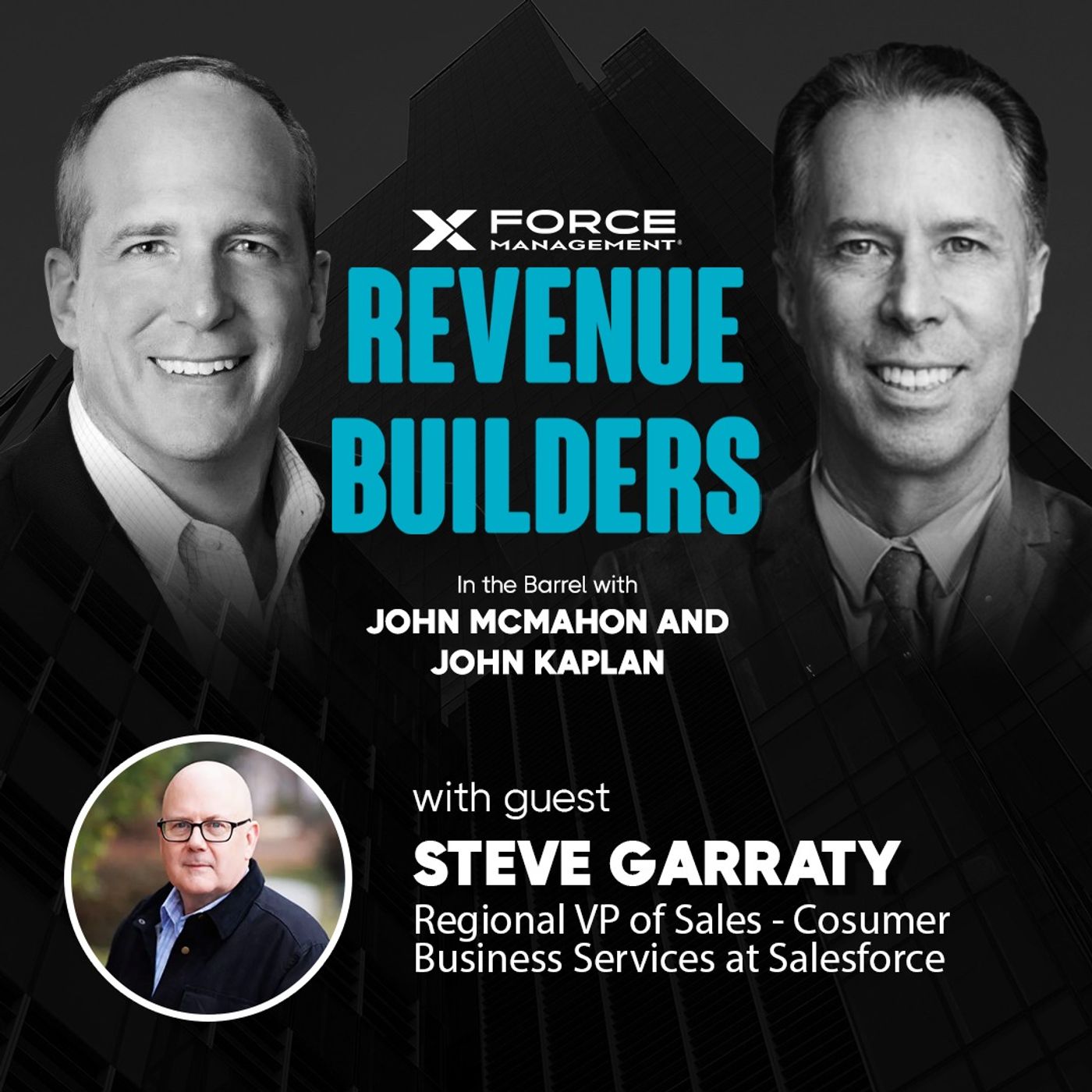
Steve Garrity maintains perspective during high-stress situations, like a 2 a.m. contract negotiation, by comparing them to his worst days battling cancer. This "perspective reframing" technique diminishes the perceived severity of current challenges, fostering grit. Any professional can adopt this by using their own past adversities as a benchmark.
During difficult periods, adopt the mindset that 'this is the story I will one day tell.' This reframes painful events into necessary plot points for a future epic narrative of success. Since you are the primary audience for your own stories, this mental tool is incredibly powerful for building resilience.

Surviving massive stress—like losing a home or a business—builds resilience. It shows you your own strength, reveals who your true friends are, and provides a new perspective that makes future, smaller problems more manageable, acting like a psychological immunity boost.