Get your free personalized podcast brief
We scan new podcasts and send you the top 5 insights daily.
The cultures of major AI labs are extensions of their leaders' personas. DeepMind embodies the scientific rigor of Demis Hassabis ('Nobel Prize scientist'), OpenAI reflects the business acumen of Sam Altman ('world's best businessman'), and Anthropic mirrors the more esoteric nature of Dario Amodei, shaping their respective strategies.

Related Insights
The AI space sees high-profile departures where key figures (Elon Musk, Dario Amodei) leave after clashing with leaders like Sam Altman. They then found direct competitors like xAI and Anthropic, reflecting a desire for total control over their own vision for AI's future.

AI agents can execute tasks, but they lack inherent values or taste. A founder's primary role evolves into clearly communicating and codifying their unique vision, design sense, and principles for the AI agents to follow, which is the real competitive advantage.

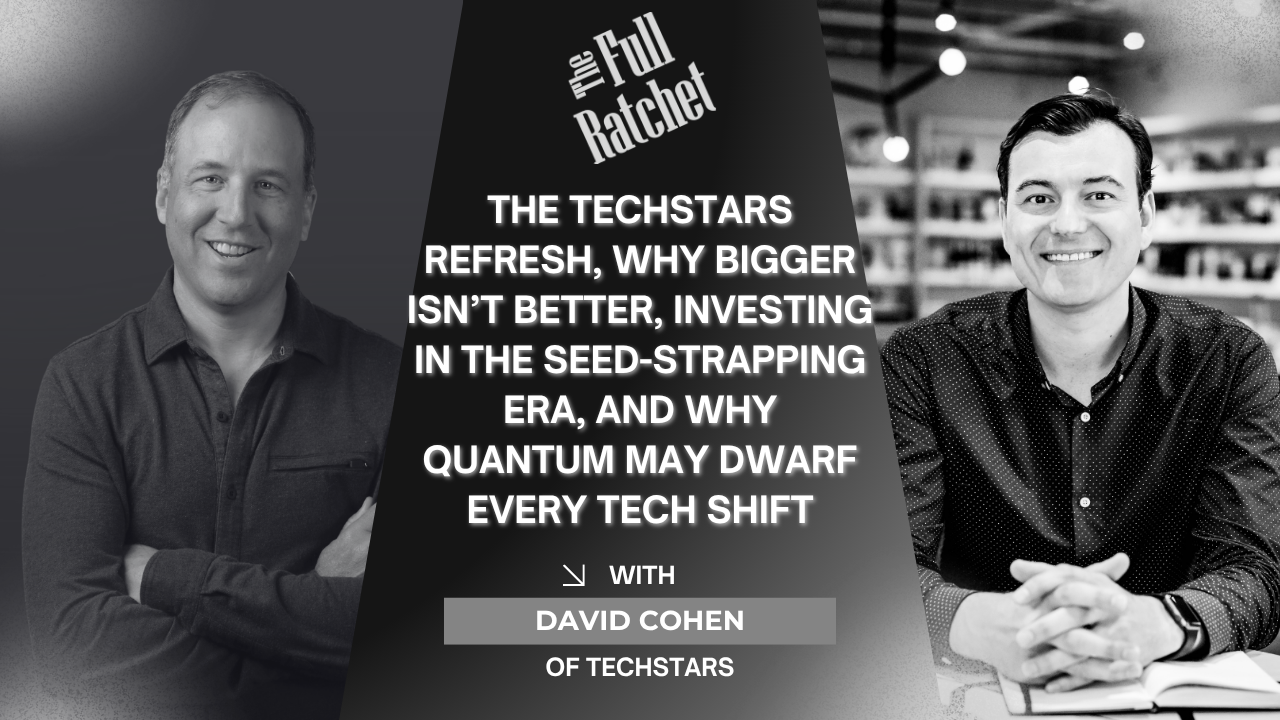
According to Techstars' CEO David Cohen, standout AI companies are defined by their leadership. The CEO must personally embody an "AI-first" mindset, constantly thinking about leverage and efficiency from day one. It's not enough to simply lead a team of engineers who understand AI; the strategic vision must originate from the top.
An AI lab's external behavior results from internal conflict between three groups: core researchers building models, marketers driving growth, and 'philosopher kings' focused on long-term safety. As Ethan Mollick notes, this inherent tension explains the often contradictory actions and messaging from companies like Anthropic.

To merge DeepMind and Google Brain effectively amid intense competition, Demis Hassabis implemented his "strike team" concept from video game development. This shifted the culture from bottom-up academic research to top-down, product-focused execution, enabling the rapid development of competitive models like Gemini.

Dario Amodei founded Anthropic not just over a different technical vision, but from a core belief that OpenAI, despite its language, lacked a "real and serious conviction" to manage the enormous economic and safety implications of general AI.

Roughly 80% of a company's culture is a direct extension of its founder's personality. Facebook reflects Mark Zuckerberg's hacker mindset; Google reflects its founders' academic roots. As a leader, your role isn't to change the culture but to articulate it and build systems that scale the founder's natural way of operating.
The long-standing feud between the AI labs, detailed by The Wall Street Journal, reveals personal conflicts over credit, management style, and power struggles between key figures like Dario Amadei and Greg Brockman are shaping the entire AI landscape.

Demis Hassabis's background as a game designer, where shipping products on deadline is paramount, informs his unique management style. He combines blue-sky research with a 'strike team' mentality focused on product delivery, a hybrid approach credited with Gemini's rapid development.

Top AI labs assess for cultural fit through their values. When interviewing at OpenAI, stories should reflect optimism about AGI ('Feel the AGI'). At Anthropic, however, candidates must demonstrate an understanding of both the positive and negative implications of AI ('Hold Light and Shade'), including how they've mitigated potential harms.