Get your free personalized podcast brief
We scan new podcasts and send you the top 5 insights daily.
Building something new requires a "split brain" approach. You need the arrogance to pursue a vision nobody is asking for. But you also need the humility to accept market feedback and kill beloved features that users reject, exemplified by removing a personally-loved but unpopular pizza from a menu.

Related Insights
The job of an early founder isn't to be right, but to discover the truth about the market. This requires shipping imperfect products quickly to test assumptions, gathering harsh feedback, and being humble enough to accept when you are wrong.

The common perception of a 'rebel' is someone who disrupts for disruption's sake. A more effective approach is to be a disciplined, deep listener who understands unstated user needs and has the courage to build for the long-term, even if it means being misunderstood initially.
![The Right Way to Prioritize [Replay] thumbnail](https://storage.buzzsprout.com/9xn5wg1i0ed9bwrk6slghdmijcr6?.jpg)
The most effective innovators combine two seemingly contradictory traits: a boundless imagination to envision novel solutions and a ruthless pragmatism that rejects ideas that can't be translated into reality. One without the other leads to either fantasy or stagnation.
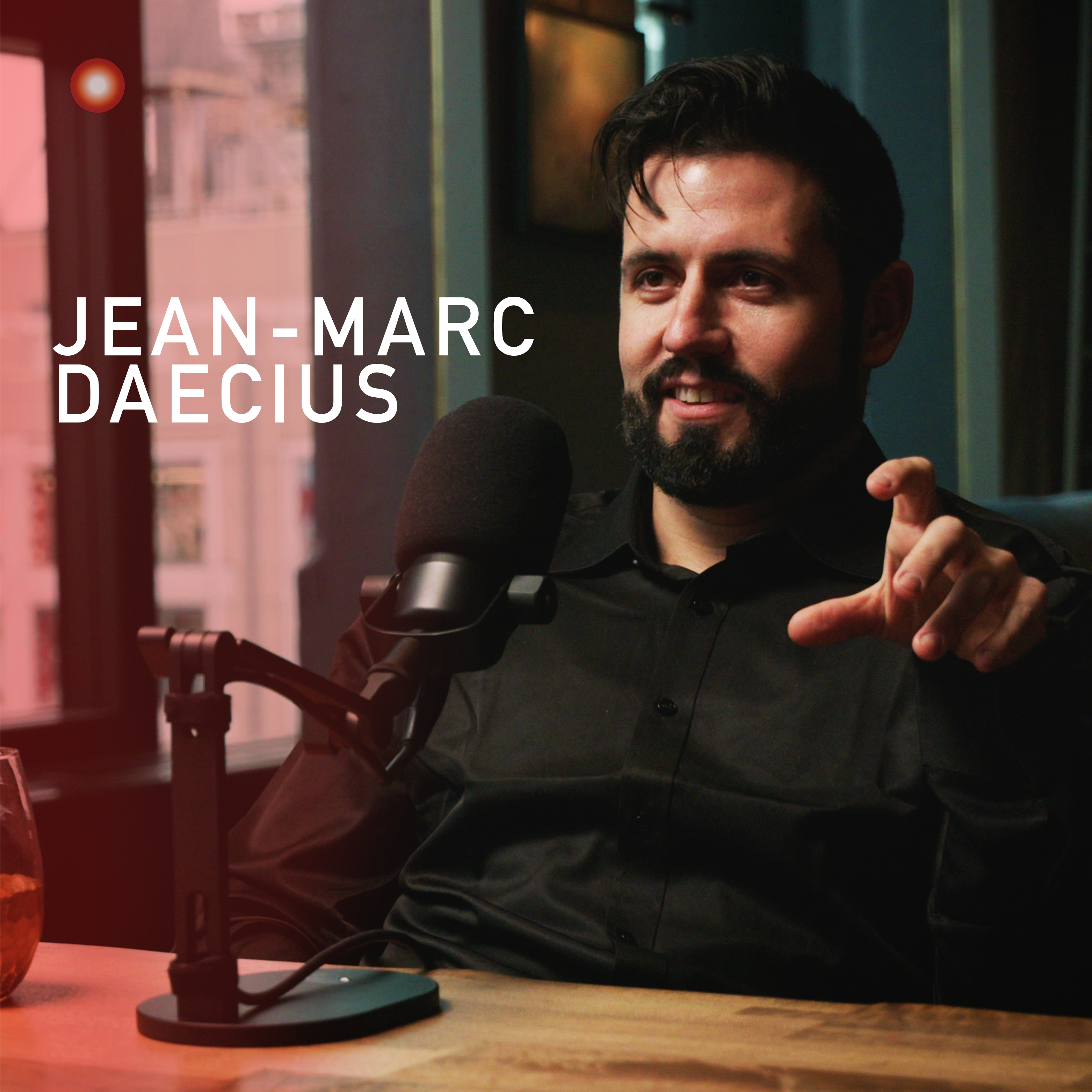
A crucial, non-obvious skill for product leaders is holding two contradictory ideas at once. This includes maintaining deep conviction in a vision while remaining genuinely open to being wrong. This mental flexibility allows for decisive action without succumbing to dogmatism, which is critical for navigating complex product decisions.

Successful founders often exhibit a paradoxical blend of traits. They need the arrogance to believe they can disrupt incumbents. Simultaneously, they require the humility to do unglamorous, hands-on work—like personally delivering 1,000 packages—to deeply understand the problem they are solving.

A founder must simultaneously project unwavering confidence to rally teams and investors, while privately remaining open to any evidence that they are completely wrong. This conflicting mindset is essential for navigating the uncertainty of building a startup.

The struggle to eliminate 'good' ideas, features, or customer segments is often rooted in a founder's ego and their grand vision. True high-growth strategy requires sacrificing that expansive vision for the simple, repeatable system that the market is actually pulling for.
Successful founders passionately defend their vision while simultaneously processing tough questions without defensiveness. This balance allows them to navigate the 'idea maze' effectively, learning and adapting as they go.

Many founders become too attached to what they've built. The ability to unemotionally kill products that aren't working—even core parts of the business—is a superpower. This prevents wasting resources and allows for the rapid pivots necessary to find true product-market fit.

While thoughtful, listening founders typically outperform arrogant ones, some level of 'bullheadedness' is essential for survival. Entrepreneurship requires a blend of stubborn persistence to even start and the humility to listen and adapt along the way to scale successfully.
