Get your free personalized podcast brief
We scan new podcasts and send you the top 5 insights daily.
While the general movie theater industry struggles, IMAX is achieving record sales. This demonstrates that in a shrinking or commoditized market, the most viable growth strategy is to offer a premium, differentiated experience that consumers cannot replicate at home.
Related Insights
Jeffrey Katzenberg repeatedly gained an edge by importing Silicon Valley innovations into Hollywood. From using Pixar for 'Toy Story' to pioneering 3D animation, he demonstrated that creative industries thrive by adopting cutting-edge technology to enhance storytelling, not by resisting it.
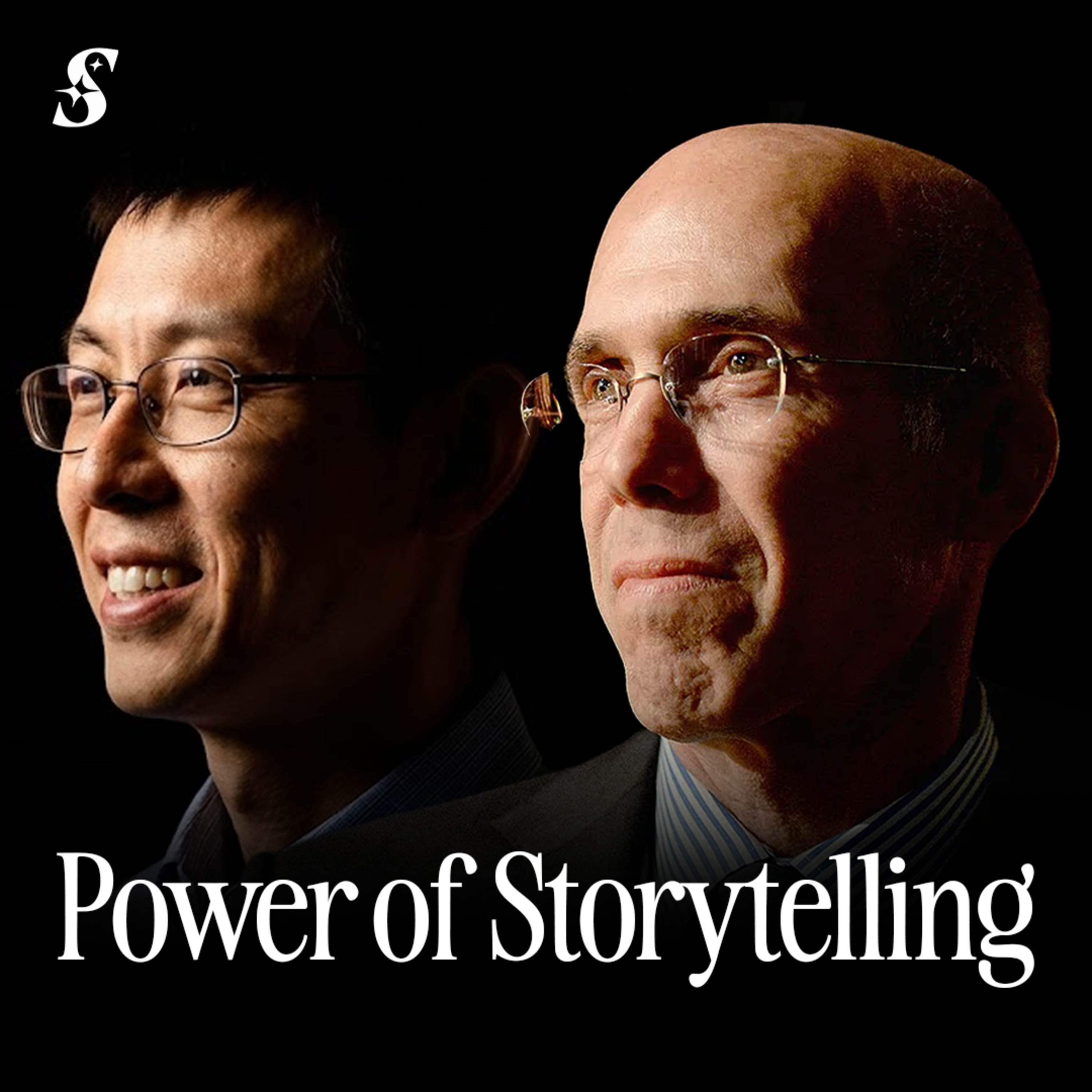
Endeavor CEO Ari Emanuel calls his focus on live events "the opposite of an AI bet." The logic is that as AI makes digital content abundant, the scarcity and value of real-world, in-person human experiences will skyrocket. This is a powerful counter-narrative that leverages the AI trend to its advantage.

As digital media like movies and music becomes infinitely reproducible and essentially free, its value diminishes. Elon Musk agrees that the truly scarce resource, and therefore the most valuable commodity, will be live, in-person events that cannot be digitally replicated.

As AI drives the marginal cost of digital content to zero, unique, in-person events become increasingly valuable. This is a strategic bet on the enduring human need for social connection and status, which cannot be digitally replicated. Value shifts from the digital to the physical.
![Ari Emanuel - The Anti-AI Bet - [Invest Like the Best, EP.448] thumbnail](https://megaphone.imgix.net/podcasts/c5910280-c4dd-11f0-94be-ab6a7a5865b0/image/1e5a2263eb62fcde200846919e24419a.jpg?ixlib=rails-4.3.1&max-w=3000&max-h=3000&fit=crop&auto=format,compress)
While competitors focus on scalable AI and digital products, a significant, less-crowded opportunity exists in high-touch, in-person (IRL) experiences. This "anti-trend" approach creates a strong competitive moat and appeals to audiences fatigued by digital overload.

As major studios pull back from theatrical releases, a new opportunity emerges for cinemas. They can pivot from showing new blockbusters to becoming "revival houses" that program classic, niche, and cult films. This caters to audiences seeking curated, communal experiences beyond at-home streaming, as seen with the rise of anime screenings.

David Chang explains that while food service is inherently unscalable, high-end, exclusive dining experiences are scaling. The scarcity, amplified by social media, creates massive demand and "cultural currency," allowing these unique businesses to expand and increase prices, creating a barbell effect in the market.

AR Rahman argues that the standard rectangular movie screen is an outdated model. To compete with high-quality home entertainment, theaters must offer experiences that cannot be replicated, such as the massive, multi-sensory, immersive environments pioneered by venues like the Las Vegas Sphere.
Instead of a high-cost, per-visit model, theaters could offer an "all-you-can-eat" monthly subscription. This would remove the friction of buying individual tickets and concessions, encouraging frequent attendance and turning movie-going from an expensive event into a regular habit.
In-person events create a powerful, hard-to-replicate competitive moat. While rivals can easily copy your digital products or content with AI, they cannot replicate the unique community, experience, and brand loyalty fostered by well-executed IRL gatherings.