Get your free personalized podcast brief
We scan new podcasts and send you the top 5 insights daily.
Large distributors like Cisco, initially created to help local restaurants, now undermine them by homogenizing their menus. Restaurants lose their specialness when they all source from the same limited, mass-produced catalog, creating a 'Frankenstein's monster' scenario where the aid becomes the threat.

Related Insights
The economy is controlled by powerful 'middleman' companies that consumers have never heard of. Food distributor Cisco, for example, has a dominant position supplying nearly all sit-down chain restaurants, shaping food quality and prices across the country from behind the scenes.
Food distributors like Cisco may employ a black-box pricing strategy where they sell the main protein—the 'center of the plate'—at or below cost to win a restaurant's business. They then recoup margins by quietly increasing prices on less scrutinized items like napkins, a potential violation of pricing laws.
Many brands aspire to fit into the middle of their category, fearing that being too different will alienate consumers. This pursuit of the average leads to a sea of sameness, where entire industries—from cars to banks—lose their distinctiveness by copying category norms.

Despite shelves stocked with heirloom tomatoes and exotic grains, our core food supply is dangerously uniform. For example, 90% of U.S. milk comes from a single cow breed descended from just two bulls, and half of all calories consumed globally come from just three grasses.

David Chang explains that while food service is inherently unscalable, high-end, exclusive dining experiences are scaling. The scarcity, amplified by social media, creates massive demand and "cultural currency," allowing these unique businesses to expand and increase prices, creating a barbell effect in the market.

A consistent pattern shows innovators adopting the models of legacy players they displaced. YouTube creating cable-like bundles, Coinbase mirroring traditional banks, and Facebook becoming new media illustrates a natural lifecycle where disruptors eventually converge with the industries they set out to revolutionize.

Coca-Cola failed with ZICO not by changing its core quality, but by stripping away its ability to adapt. Large corporate systems, built for consistency at scale, enforce rigid processes that stifle the very nimbleness that made a challenger brand successful.

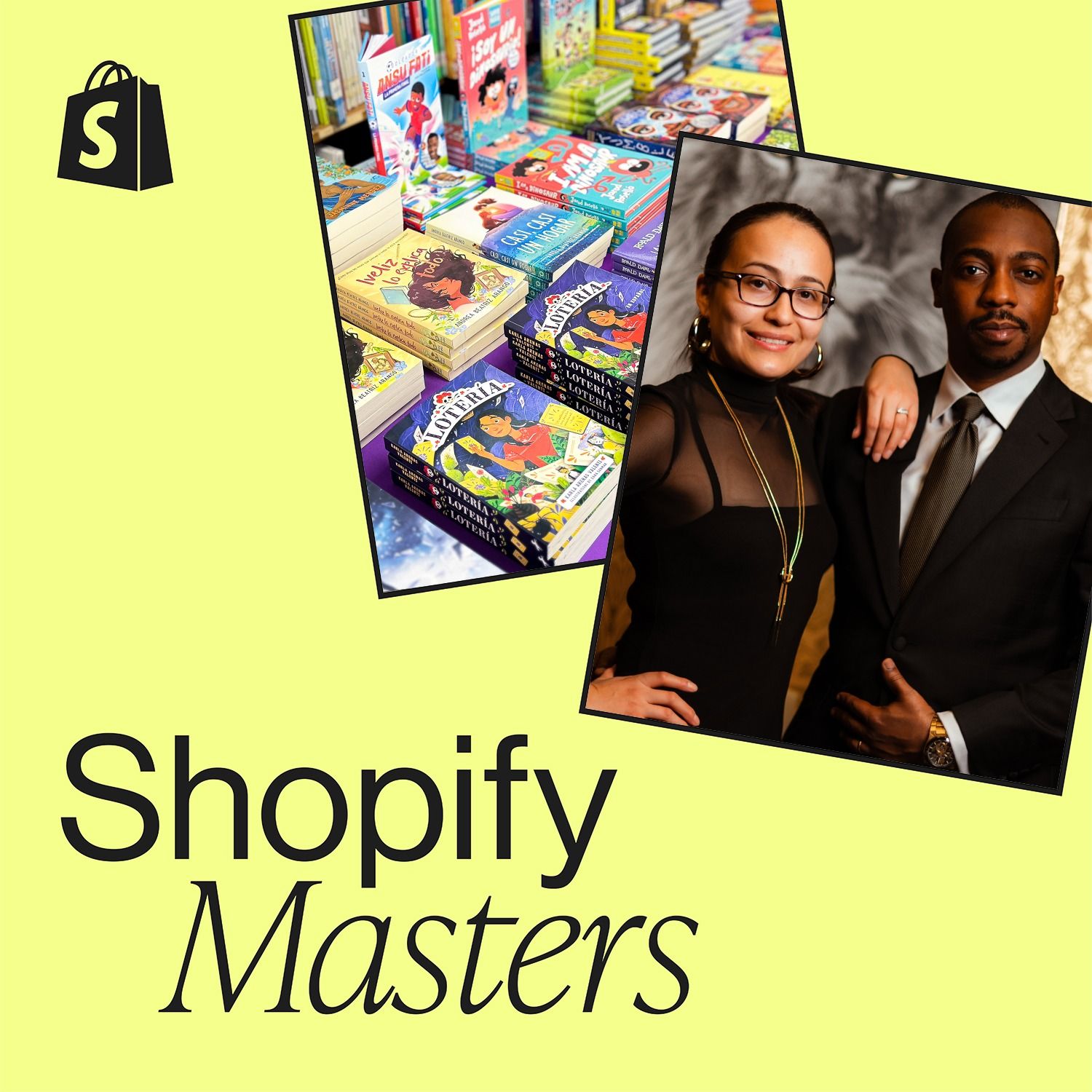
The publishing industry's failure to consistently stock diverse books created a problem for Miha Books. However, this forced them to constantly search for new titles. This weakness transformed into a strength, as their customers now praise their ever-fresh selection, a key differentiator from competitors with stagnant inventories.
Major corporations are applying the vertical integration model from poultry ("chickenization") to beef. This system controls the supply chain from genetics to retail, aiming to eliminate the competitive cash market and turn independent ranchers into de facto contract growers.
To mitigate its own risk, Apple's "50% rule" required suppliers to find other customers. This policy forced them to share advanced manufacturing processes co-developed with Apple, directly enabling the rise of Chinese smartphone rivals like Xiaomi and Huawei.